0:44 AM Does Homeowners Insurance Cover Sewer Line Backups? | |
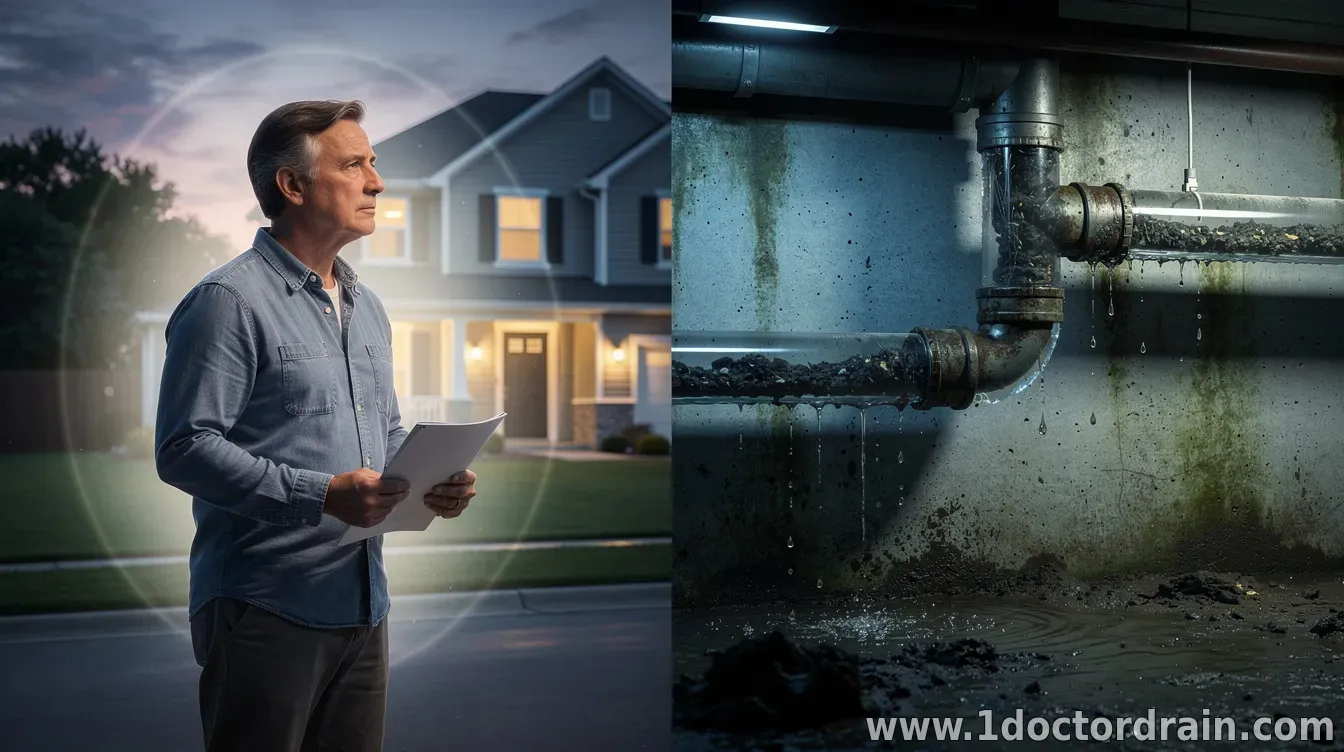
Sewer line backups can cause major damage—so it’s natural to wonder whether homeowners insurance will pay. The short answer is that coverage is possible, but it’s not automatic. Whether you’re covered usually depends on why the backup happened and what your policy specifically says about sewer or drain overflow.
In many homeowners policies, standard coverage includes sudden and accidental damage from certain plumbing-related issues. However, many insurers treat sewer and drain backups as a special category that often comes with exclusions or requires a separate endorsement (add-on coverage). What your policy usually covers (and what it may exclude)
Homeowners insurance typically focuses on damage caused by covered perils—like a plumbing failure due to a sudden rupture. But when the water problem originates in the sewer line itself (for example, the public main backs up or the sewer system overflows), coverage may be limited.
Common issues that can affect coverage include:
When sewer backup coverage is more likely
If your policy includes a “sewer or drain backup” endorsement, you may be covered for certain cleanup and repair costs caused by a qualifying backup event. These endorsements often cover water damage to your home (and sometimes limited related expenses) when the backup is sudden and not due to preventable conditions.
Even with endorsements, insurers may still require that the loss meet specific definitions—such as the backup entering through plumbing fixtures, basement drains, or sump systems, depending on your policy language. What you should expect to pay out of pocket
Many policies apply a deductible and may have separate deductibles for endorsements or certain water-related claims. Additionally, coverage can be limited to repairing structural damage and approved cleanup, while some items—like landscaping, mold remediation beyond defined conditions, or certain belongings—may be subject to coverage rules.
Because each company and policy differs, it’s important to read your declarations page and endorsements—not just the main “Section I—Coverage” wording. How to get clarity quickly
Before filing a claim, gather details about the event and ask your insurer targeted questions. Consider requesting coverage confirmation in writing if possible. Helpful questions include:
Also, document the scene (photos/videos), keep receipts for emergency mitigation, and request professional assessment for the cause of the backup. Next steps if coverage is denied
If your claim is denied, ask for the specific policy language used to deny coverage. Denials sometimes turn on whether the event is considered sudden vs. gradual, whether it’s tied to excluded maintenance issues, or whether the backup falls under a sewer/drain category your policy doesn’t cover.
In parallel, you can consider whether you want to add sewer backup coverage at renewal (if available). For many homeowners, adding this endorsement after a loss is too late for that event, but it can reduce uncertainty going forward.
Sewer line backups are stressful, but understanding how your policy defines and treats backups can help you protect your home and manage the claim process effectively.
| |
|
| |
CALL ☎ Subscribe 👆
Next & Previous posts
Related materials:

CONTACT US 📩
Submit the form, we'll contact you as soon as possible!