1:37 AM Where Is Your Main Sewer Cleanout? Homeowner Guide | |
If you’ve ever wondered, “Where is the main sewer cleanout?”—you’re not alone. Most homeowners only search for it after a slow drain, gurgling sounds, or a full backup. Knowing where the cleanout is before a problem starts can speed up repairs and reduce damage to floors, walls, and landscaping.
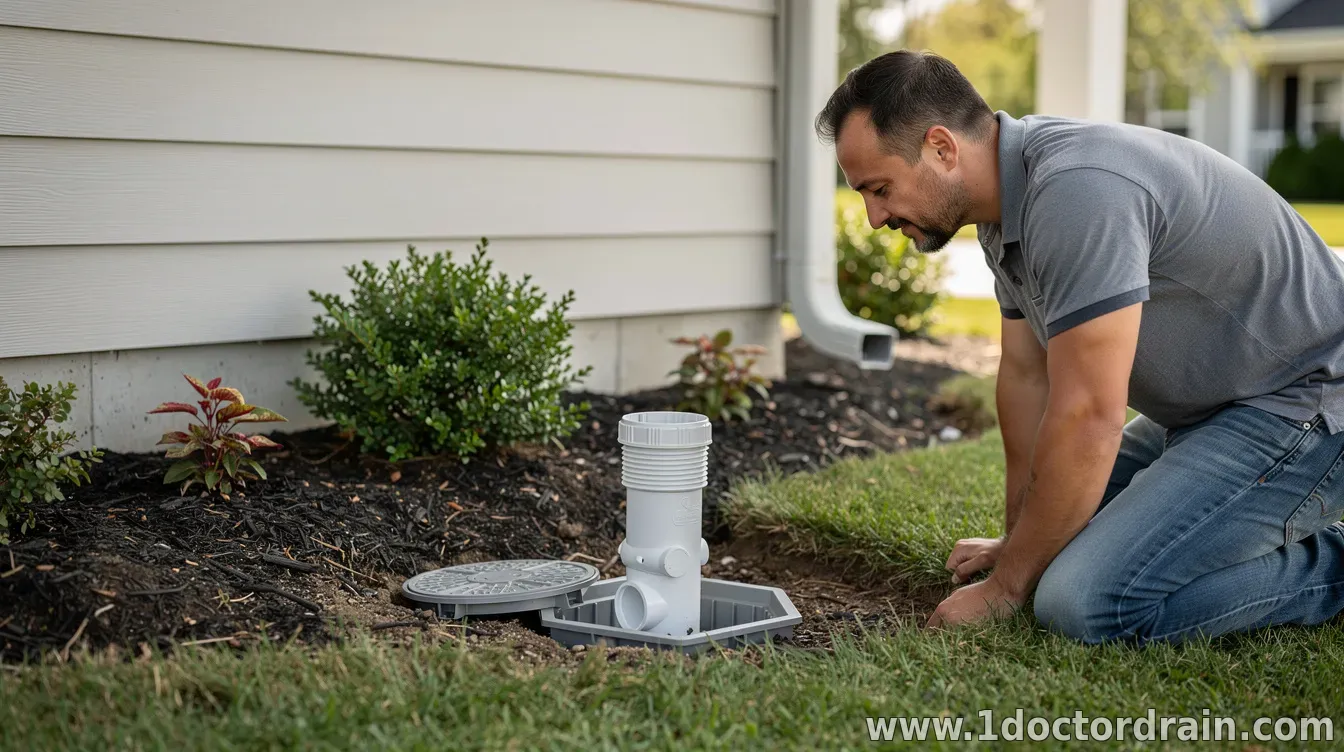
A main sewer cleanout is an access point that lets plumbers insert a drain snake or mechanical auger into the main line. Depending on your home’s plumbing layout and local building practices, it’s often near where your house connects to the sewer, either inside or outside the building. Common locations to check first
Start with the spot that is closest to the point where wastewater leaves your home. For many properties, the cleanout is located either on the exterior near the foundation or inside at a basement/crawlspace area.
Look for a capped pipe with a removable cover, or a fitted plug/hat-style cap. In many homes, you’ll find it:
What the cleanout cover usually looks like
Cleanouts vary by region and pipe material, but the design is usually easy to recognize once you know what you’re looking for. Common cues include:
If you’re unsure, avoid forcing anything. A cleanout cover that’s stuck, sealed, or corroded can break if you use the wrong tool or excessive force. How to pinpoint the main cleanout using basic clues
You don’t need special equipment to narrow down the most likely spot. Try these practical checks:
When in doubt, consult your home’s plumbing records or previous inspection reports, if you have them. If you don’t, a licensed plumber can usually confirm the exact location quickly. Why it matters for backups and maintenance
Your main cleanout is your first “front door” to the sewer line. If a backup occurs—such as slow drains in multiple fixtures, sewage odors, or gurgling across several toilets—having ready access can help a plumber clear blockages more efficiently.
It can also support routine maintenance. For example, if your area has tree-root intrusion, grease buildup risks, or older sewer lines, the ability to access the main line can reduce how long problems linger. Safety tips before you open anything
Cleanouts are not automatically dangerous, but they can involve unpleasant conditions and sanitation hazards. Before opening a cover or plug:
Even if you plan to DIY simple checks, the actual clearing of a main sewer line is often best left to experienced technicians—especially if the blockage is deep or the cleanout cover is difficult to remove. When to call a professional
Call a licensed plumber if you can’t locate the cleanout, if it’s sealed in a way that requires specialized tools, or if you see signs of a more serious issue such as repeated backups, foul odors near the cleanout area, or sewage backing up into multiple drains. Professionals also have the right inspection methods to determine whether the issue is a clog, venting problem, or a damaged section of the sewer line.
Knowing where your main sewer cleanout is doesn’t just help in emergencies—it’s part of being prepared. Spend a few minutes locating it now, take note of the exact position, and keep the area accessible so you’re ready when problems arise.
| |
|
| |
CALL ☎ Subscribe 👆
Next & Previous posts
CONTACT US 📩
Submit the form, we'll contact you as soon as possible!