
1:08 AM Bathtub Drain Clogs: Hair Traps and Long-Term Prevention | |
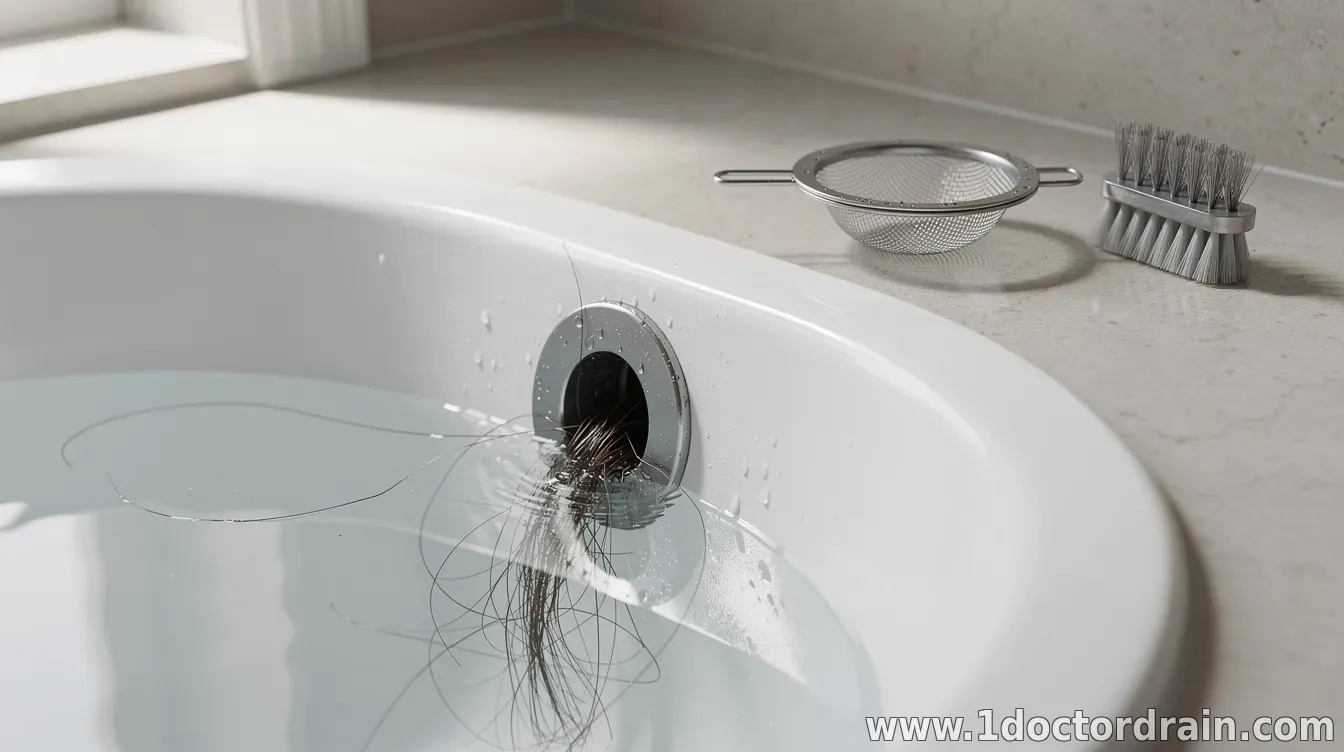
Hair is the most common cause of bathtub drain slowdowns, especially in households where multiple people shower or where long hair sheds frequently. Over time, hair tangles with soap residue and other debris, forming a mat that restricts flow and can lead to standing water.
Unlike sudden pipe failures, bathtub clogs typically develop gradually. That makes them ideal for prevention: a few consistent habits can reduce the chance that a minor blockage turns into a drain-cleaning emergency. Why bathtub drains clog
Most bathtub drains are designed to let water through quickly, but that same design creates a catch point for strands of hair. When hair accumulates, it combines with grime and soap scum, which can harden and adhere to pipe surfaces. The result is a “hair trap” effect—where the drain becomes a collection point rather than a passageway. Best long-term prevention habits
The most effective prevention is catching hair before it enters the drain. A quality hair strainer—often a mesh or dome-style cover—can capture loose strands while allowing water to pass. For long-term results, the key is maintenance: empty the strainer regularly and keep it clean so it doesn’t become its own obstruction.
Alongside hair capture, periodic cleaning helps prevent soap scum buildup from bonding to trapped debris. Many homeowners find that a simple schedule—such as quick checks during routine bathroom cleaning—reduces the likelihood of stubborn clogs later.
When clogs start: early signs and quick responses
Pay attention to the earliest indicators: water draining noticeably slower than usual, gurgling sounds, or water pooling after showers. Addressing these signs early can prevent the clog from compressing deeper in the drain line.
For minor slowdowns, removing visible hair at the drain opening and cleaning the strainer often restores flow. If hair accumulation is deeper, a targeted tool—such as a drain hair removal tool designed for bathtub plumbing—can help dislodge the mat without damaging pipes. What to avoid
Some homeowners rely on aggressive chemical cleaners. While they may temporarily dissolve certain buildup, they can also create safety concerns and may not address the primary issue—hair entanglement—effectively. Mechanical removal and prevention are typically more reliable for hair-based clogs.
For recurring blockages, avoid “waiting it out.” Repeated clogs can indicate the drain is consistently collecting debris, and the prevention plan may need adjustment—such as upgrading the hair strainer, tightening the cleaning schedule, or investigating whether a secondary buildup forms beneath the stopper assembly. Maintenance plan for fewer emergencies
A practical prevention routine is usually simple and repeatable. Start with a hair strainer and make hair removal part of regular bathroom upkeep. Then, add brief flushing with hot water and occasional gentle cleaning to keep soap scum from binding with any stray strands.
When preventive steps are consistent, bathtub clogs become less frequent and easier to manage. The goal is to intercept hair early, reduce residue buildup, and address slow drains before they become full blockages.
| |
|
| |
CALL ☎ Subscribe 👆
Next & Previous posts
Related materials:


CONTACT US 📩
Submit the form, we'll contact you as soon as possible!