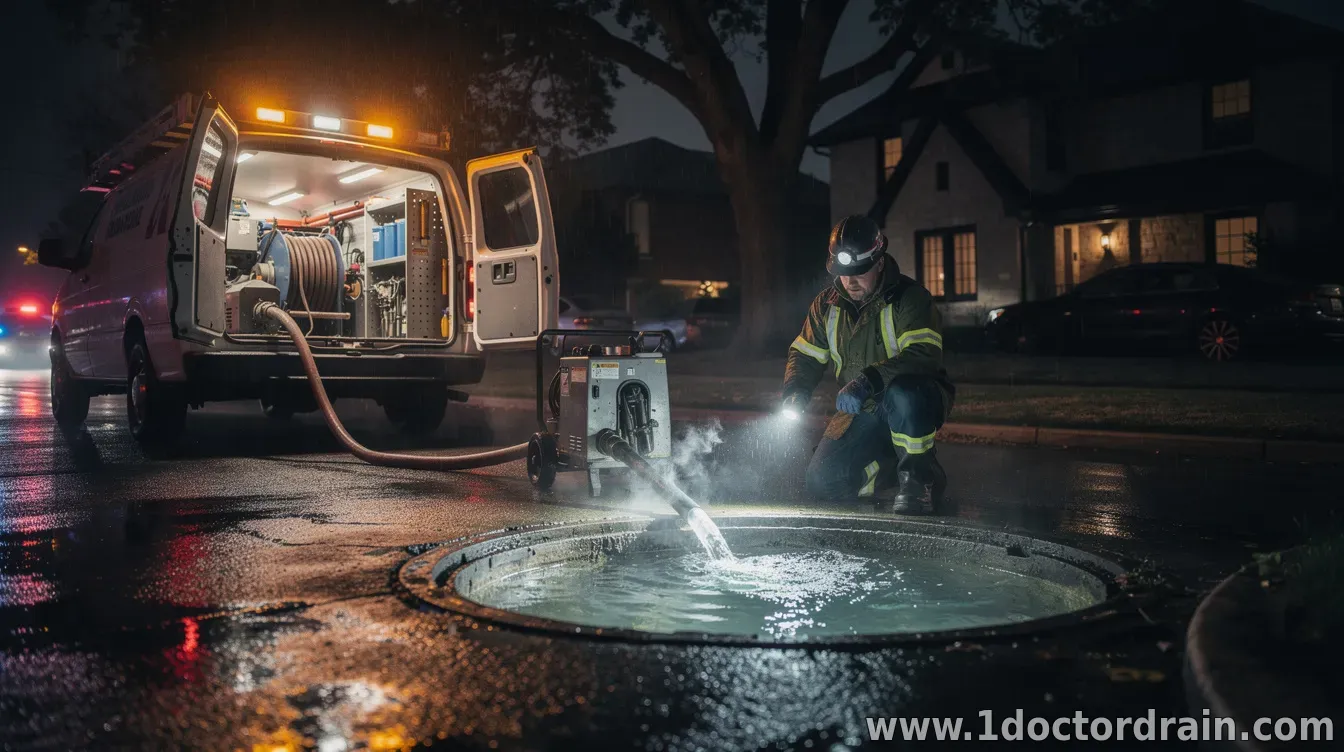
1:45 AM Emergency Drain Service in Chicago North Shore: What to Expect | |
Emergency drain issues rarely happen at a convenient time—often they start with slow drainage and quickly escalate into standing water, foul odors, or sewage backup. In the Chicago North Shore, residents rely on licensed, fast-response plumbing teams to restore safe flow and protect homes from water damage. 1) Immediate response and triage
When you call an emergency drain service, the first goal is to understand what’s happening and how urgent it is. Technicians typically ask about the location of the problem (kitchen sink, basement drain, shower, main line), how long it’s been occurring, and whether you’ve noticed odors, bubbling, or backups in multiple fixtures.
Based on your description, the dispatcher or service team determines the likely cause—such as a clog in a branch line versus an issue closer to the main sewer line—and schedules an arrival window designed to minimize damage. 2) On-site diagnosis using the right tools
Once on site, the crew usually performs a structured inspection to confirm the source of the blockage. Depending on the situation, this may include checking cleanouts, using specialized drain cameras, and running controlled tests to pinpoint where flow is restricted.
Camera inspections are especially helpful for recurring clogs, tree-root intrusion concerns, or when the clog location isn’t obvious—helping technicians avoid unnecessary digging or guesswork. 3) Clearing methods and repair options
After the blockage is located, the service team selects the least disruptive method that can restore flow. Common approaches include drain snaking/augering for many clogs, hydro-jetting for certain buildup types, and targeted removal strategies when the obstruction is more complex.
If the problem is tied to damaged pipes or recurring blockages, the conversation may shift from clearing to repair—potentially involving patching, replacing a damaged section, or recommending longer-term solutions to prevent repeat emergencies. 4) Safety, cleanup, and prevention guidance
Emergency drain work can involve unpleasant conditions, especially if wastewater has overflowed. Reputable services emphasize containment and cleanup, including drying affected areas and reducing contamination risk where appropriate.
Before leaving, technicians typically walk you through what they found, what was done, and what to watch for next. They may also recommend preventative steps—such as avoiding flushing non-biodegradable items, being cautious with grease and food scraps, and scheduling routine inspections if you’ve had prior backups.
For homeowners, documenting the timeline of symptoms (when it started, where it showed up, and any changes since) can help technicians work faster and reduce the chance of repeated trips.
If you suspect a sewer backup, notice sewage odors, or see water rising in areas that shouldn’t collect it, don’t wait for a “minor clog” to resolve on its own. In the Chicago North Shore, timely emergency intervention is often the difference between a manageable cleanup and costly repairs.
| |
|
| |
CALL ☎ Subscribe 👆
Next & Previous posts
Related materials:
CONTACT US 📩
Submit the form, we'll contact you as soon as possible!