2:26 AM Drain disposal, home plumbing, environmental protection, wastewater systems, household tips | |
Many homeowners treat a kitchen sink or bathroom drain as a catch-all, but what goes down the drain doesn’t always disappear. Some materials break apart and flow through treatment systems, while others cause clogs, damage pipes, or introduce pollutants into rivers and oceans.
Understanding what not to pour down your drain can help protect your home’s plumbing, reduce wastewater system strain, and lower the environmental impact of everyday disposal habits. Grease, oils, and cooking fat
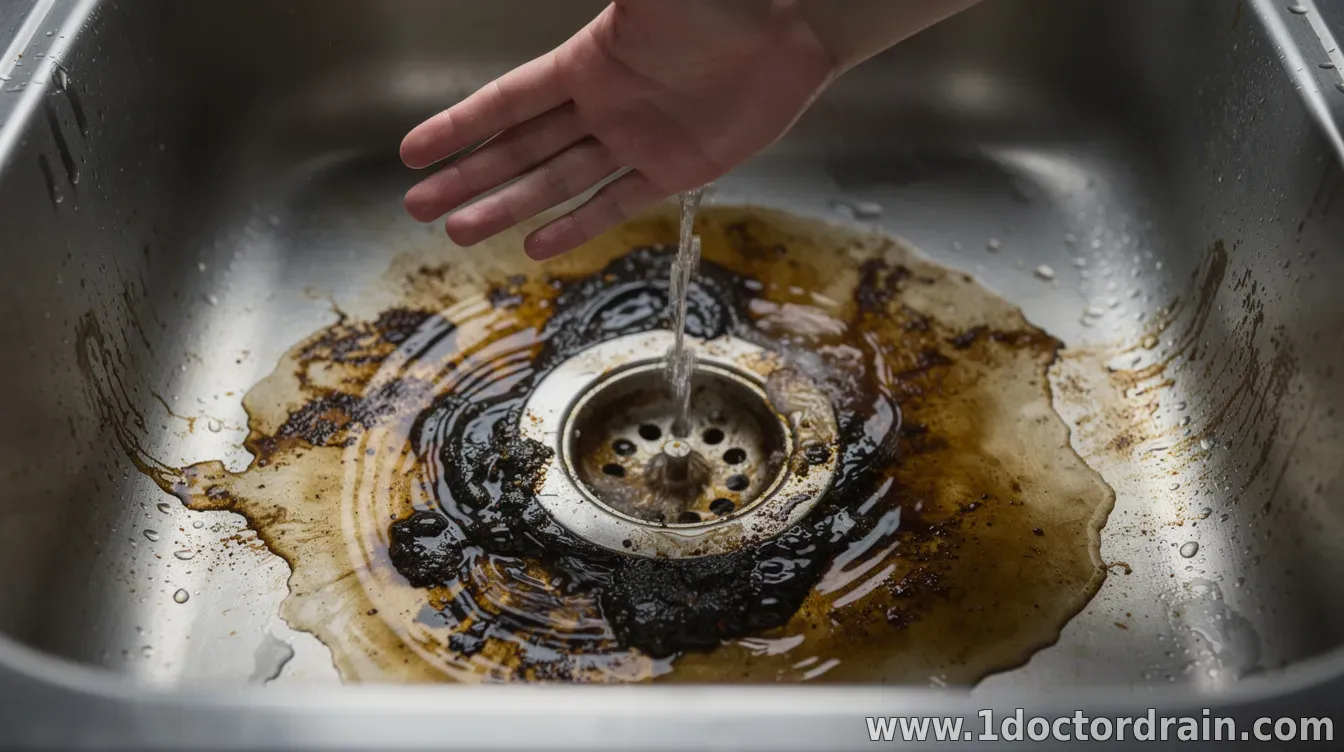
Pouring grease or cooking oil into a drain may seem convenient, but as it cools it solidifies, sticking to pipe walls. Over time, this can narrow passages and lead to backups that are expensive to clear. Instead, let grease cool and scrape it into a sealed container for trash or recycling programs where available. Food scraps and “flushable” kitchen debris
Even with a garbage disposal, certain foods don’t grind and move well. Starchy materials, fibrous scraps, and large leftovers can accumulate in pipes or contribute to clogs downstream. Keep food waste out of drains when possible—use composting, proper bin disposal, or disposal only for small, appropriate scraps. Cleaning chemicals and hazardous products
Strong cleaners, solvents, pesticides, and other hazardous chemicals can harm workers, damage plumbing components, and disrupt wastewater treatment. Some substances should never enter the sewer system because they can be dangerous to handle or difficult to remove once mixed into wastewater. When you need to get rid of these products, use local household hazardous waste collection sites or manufacturer guidance. Paint, thinner, and solvents
Liquids like paint (including latex), paint thinner, and solvents pose a serious risk to drains and waterways. They can interfere with treatment processes and may solidify in pipes. Store leftovers in sealed containers and dispose through designated hazardous waste channels. Personal hygiene items and “flushable” wipes
Wipes marketed as flushable often don’t break down like toilet paper. They can snag in sewer lines, contribute to blockages, and increase maintenance demands. The safer approach is to put wipes in the trash and use alternatives that are clearly designed for septic or sewer systems.
Why it matters goes beyond avoiding a nuisance clog. When improper materials reach the sewer network, they can overload infrastructure, raise treatment costs, and increase the risk of spills or environmental contamination. For homeowners, prevention also means fewer emergency repairs—especially during peak demand periods when service crews are stretched thin.
If you’re unsure about a specific product or substance, check the label and your local utility’s disposal guidance. Small habit changes—like sealing grease in a container, keeping hazardous chemicals out of sinks, and trashing non-approved wipes—can make a measurable difference for both your plumbing and your community’s waterways.
| |
|
| |
CALL ☎ Subscribe 👆
Next & Previous posts
Related materials:

CONTACT US 📩
Submit the form, we'll contact you as soon as possible!