1:32 AM Preventing Tenant Complaints: Proactive Drain Care | |
Tenant complaints about slow drains, foul odors, and recurring backups often trace back to avoidable issues: grease and food buildup, hair and soap scum in bathrooms, tree-root intrusion, and aging plumbing connections. Proactive drain care helps landlords catch early warning signs, reduce health and safety risks, and avoid costly emergency repairs.
Rather than waiting for a clogged sink to trigger a complaint, a preventive program focuses on predictable maintenance cycles and documented checks. This can also improve tenant trust, because concerns are addressed quickly and systematically. Start with a simple inspection and reporting routine
Effective prevention begins with visibility. Landlords (or property managers) should schedule periodic inspections of key drainage points—kitchen sinks, bathroom sinks, showers, toilets, and any utility sinks—plus outdoor drains and cleanouts when available. Pay attention to early symptoms such as gurgling sounds, recurring slow flow, water pooling, and unpleasant odors.
Equally important is a structured way for tenants to report issues. Provide clear instructions for what to flag (e.g., recurring blockages, standing water, intermittent backups) and encourage prompt reporting. Faster notification typically shortens downtime and limits damage. Target common causes before they escalate
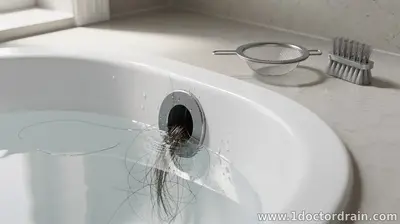
Most preventable drain problems come from predictable materials entering the system. In kitchens, grease and food particles can accumulate and narrow pipes over time. In bathrooms, hair, soap residue, and mineral buildup contribute to slow drains and lingering smells.
Landlords can reduce buildup by aligning maintenance with these risks: encourage tenants to avoid pouring grease down drains, provide mesh strainers for sinks and showers, and consider periodic flushing or professional cleaning where appropriate. If the property has older cast-iron or aging PVC connections, maintenance frequency may need to increase to account for wear. Use safer cleaning practices and the right tools
When cleaning is needed, prevention-focused landlords typically rely on methods that minimize risk to plumbing and tenants. Mechanical solutions like drain snaking or professional hydro-jetting (where suitable) can remove accumulated debris without over-reliance on harsh chemicals.
Many facilities discourage routine use of aggressive drain chemicals because they can damage pipes, worsen existing blockages, or create hazardous fumes. If chemical treatments are considered, they should be used sparingly, according to manufacturer guidance and local regulations, and only when they’re appropriate for the specific plumbing condition. Plan maintenance around seasonal and system-specific triggers
Drain behavior can change with seasons and property use patterns. Heavy rainfall increases the risk of outdoor drainage backups, while colder months can intensify stress on older lines. If a building has known issues—such as frequent toilet backups, recurring tub clogs, or slow kitchen drains—maintenance should be tailored to those specific problem areas.
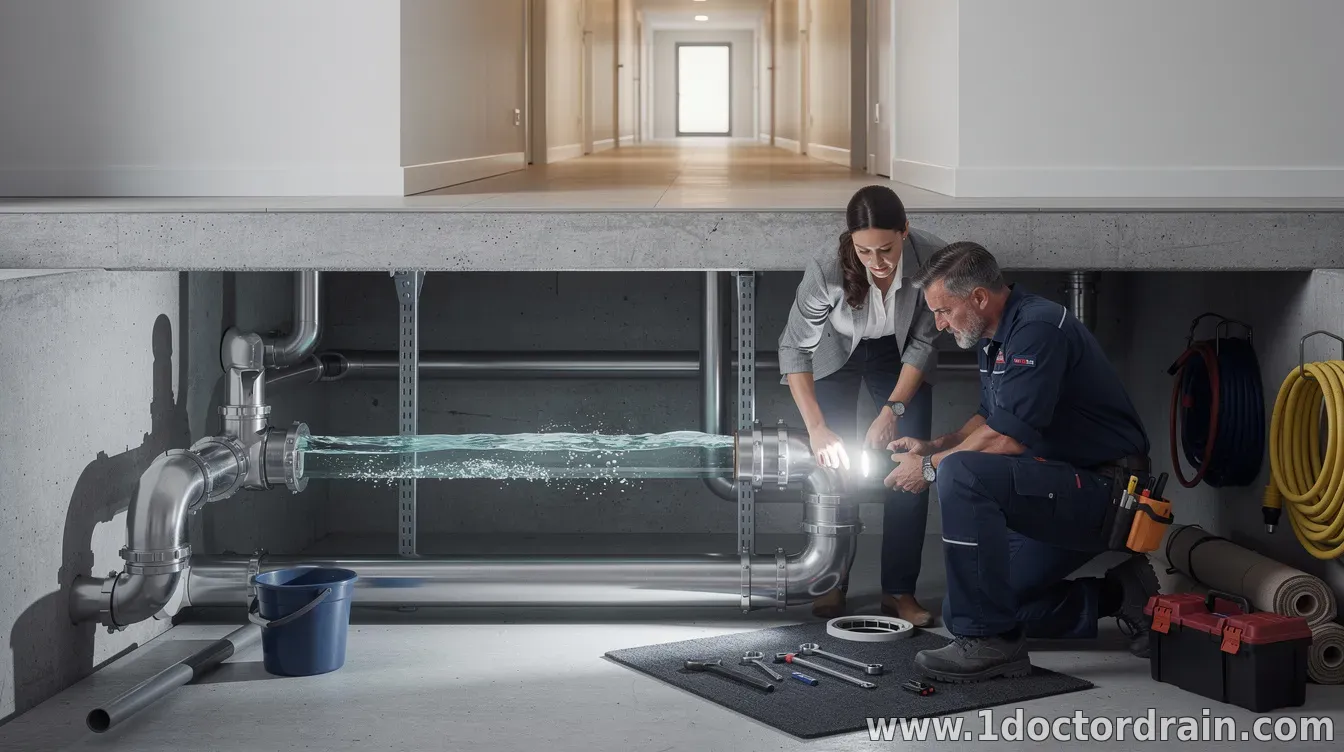
For larger properties, landlords can also incorporate camera inspections during scheduled checkups. A visual assessment can confirm whether the issue is surface-level (like a localized clog) or deeper (such as joint separation or root intrusion), helping prioritize the correct repair and avoid repeated “temporary fixes.” Respond faster with a clear escalation path
Even with preventive care, incidents happen. The goal is to reduce time-to-response and limit damage. Establish an escalation workflow: collect tenant details, verify whether multiple units are affected, determine whether there’s a risk of overflow or contamination, and dispatch the right specialist—plumber, drain service, or facilities team—based on the symptom.
Documentation matters. Keeping service records, inspection dates, and maintenance history helps identify recurring patterns and supports budgeting for longer-term pipe rehabilitation when required.
Proactive drain care is ultimately about predictability: scheduled checks, tenant-friendly guidance, and maintenance choices that prevent buildup. By addressing issues early—before gurgling becomes standing water and odors become health concerns—landlords can reduce tenant complaints, improve building performance, and lower the odds of emergency repairs.
| |
|
| |
CALL ☎ Subscribe 👆
Next & Previous posts
Related materials:


CONTACT US 📩
Submit the form, we'll contact you as soon as possible!