
3:51 AM Winter Drain Care in Chicago Suburbs: Stop Frozen Pipes | |
As temperatures drop across the Chicago suburbs, frozen pipes become a common winter threat—often triggered by wind, exposed plumbing, and everyday drain habits. While homeowners can’t control the weather, they can reduce risk with practical steps that keep water moving and minimize freezing.
Plumbing failures during winter frequently start when water sits in or near unheated areas. That’s why drain care—along with attention to pipes under sinks, in garages, basements, crawl spaces, and exterior walls—matters as much as insulation. Know where freezing is most likely
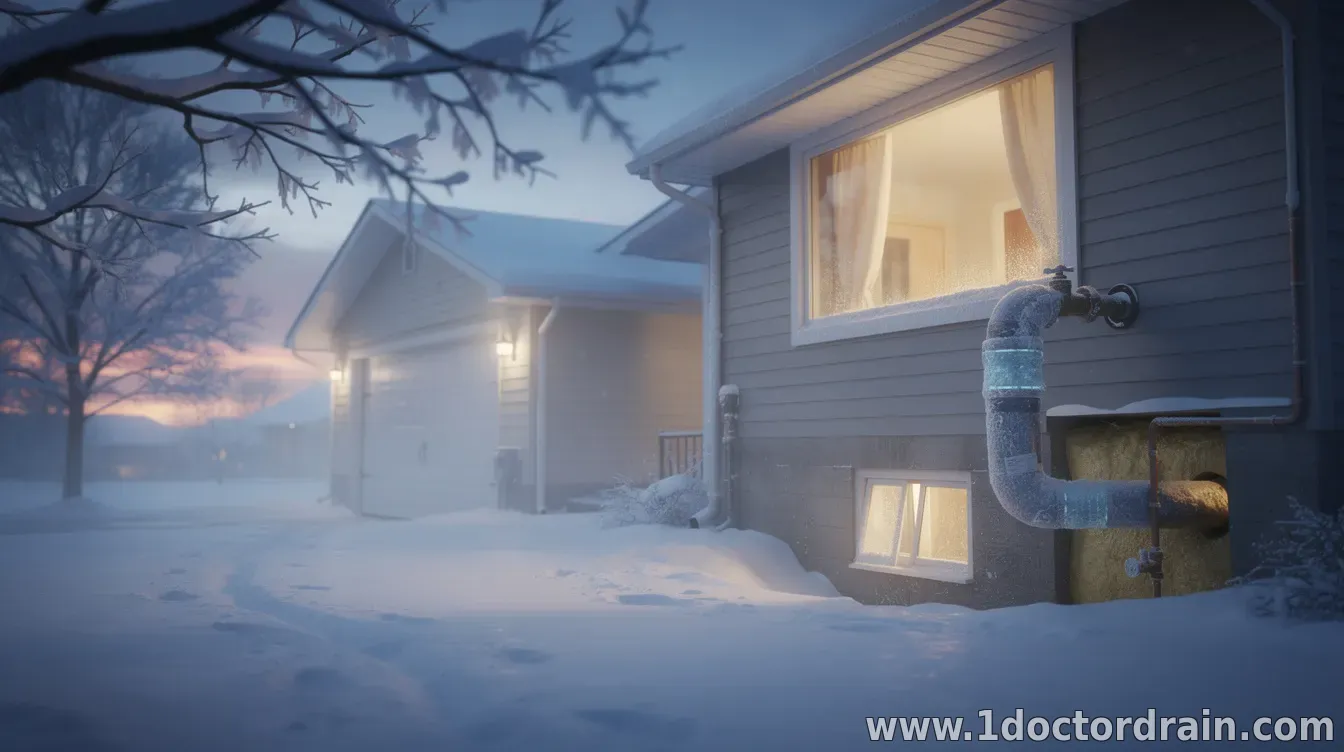
Frozen plumbing tends to occur where pipes are vulnerable to cold air: exterior-facing walls, uninsulated crawl spaces, garages, and areas around where plumbing penetrates foundations. Even in homes that are generally well heated, small gaps around windows, doors, and vents can allow cold air to reach vulnerable lines.
Homeowners should also pay attention to “slow-moving” drains and occasional backing up before the deepest cold arrives. Standing water in traps or near clogged lines can worsen freeze conditions, especially overnight when indoor temperatures fall. Drain care steps that reduce freeze risk
Seasonal drain maintenance can prevent the water-stagnation problems that contribute to freezing. Start with basic upkeep: keep sinks, tubs, and laundry drains free of debris, and avoid pouring grease, food scraps, or non-degradable materials that can build up over time.
For homeowners with recurring issues, addressing the root cause—such as tree-root intrusion, a failing sewer line, or recurring clogs—can be more effective than relying on emergency measures during cold snaps. What to do when temperatures plunge
When a sudden cold wave hits the region, the goal is to limit the time water spends in exposed sections of plumbing. Letting warm water trickle from the affected tap can help, but it’s also important to keep cabinet doors open on vanities where pipes may be partially exposed.
If you notice frost on supply lines, a faucet that stops flowing, or recurring drain backing, take action early. The longer frozen water remains in place, the more likely it is to cause pipe rupture when it expands—especially in older plumbing systems. How to handle suspected frozen pipes
Safety matters. If a pipe appears frozen, use gentle, controlled warming. Avoid open flames or extreme heat sources. Instead, warm the area gradually—starting near the faucet and working outward—while keeping the surrounding space safe and ventilated.
If you can’t restore flow quickly, or if there are signs of leaking or burst pipes, consider contacting a licensed plumber. Water damage can spread rapidly, and professional diagnosis can prevent repeated trial-and-error during the coldest hours. Prevent problems before they become emergencies
The most reliable winter protection is a combination of preparation and observation. Insulating exposed pipes—especially those in garages and along exterior walls—can reduce freeze risk. Sealing drafts and improving access to vulnerable areas can also help keep indoor temperatures steadier around plumbing.
Finally, treat drainage as part of the winter plan. Clear drains, address clogs early, and don’t ignore slow runoff—because when water can’t move freely, it cools faster and can freeze sooner.
For Chicago suburb residents, the takeaway is straightforward: keep water flowing, keep drains working properly, and respond early when conditions turn. A few preventive habits now can help avoid the disruption, repairs, and cleanup that often follow frozen-pipe emergencies later.
| |
|
| |
CALL ☎ Subscribe 👆
Next & Previous posts
Related materials:

CONTACT US 📩
Submit the form, we'll contact you as soon as possible!