NEWS

Home NEWS

☎ 312-532-6435

Drain сleaning serviсe, clogged drain, sewer cleaner, IL


Video pipe inspection before buying a home: key checks

Video pipe inspection before buying a home: key checks


A video pipe inspection (often called a sewer scope or drain cam) can show issues that home inspectors and open-trench checks can miss—especially inside walls, under slabs, or buried near the property line. If you’re considering a purchase, the goal isn’t just to find “problems,” but to identify what they mean for cost, safety, and how urgently they need attention.


Start by confirming what system the camera covers. Ask whether the scope includes the main sewer line from the house to the city connection (or property line), plus accessible interior drains (like kitchen, laundry, and bathrooms). Limitations matter: some contractors can’t inspect every section due to cleanout placement, access restrictions, or severe blockages. Make sure you understand the coverage area before drawing conclusions.


1) Look for signs of active leaks and infiltration


In footage, lea ... Read more »


Added: admin 06/25/2026 into the category «Drain cleaning serviсe» Views: 145 Commets: 0
More


How to Thaw Frozen Pipes Safely in Winter

How to Thaw Frozen Pipes Safely in Winter


As winter temperatures plunge, frozen and burst pipes become a common emergency for homeowners and renters alike. If you suspect a pipe is blocked, acting carefully can help restore flow while lowering the risk of bursting, electrical hazards, or water damage.


Start by identifying where the problem is. Look for signs such as frost on the pipe, reduced water flow, strange knocking sounds, or a section of plumbing that feels significantly colder than surrounding areas. If you can locate the frozen section, you can focus your efforts instead of warming the entire wall or floor.


1) Turn off water to limit damage


Before thawing, consider shutting off the water supply if you see visible leaks or if the pipe is accessible behind a wall. If you’re unsure whether a burst has already occurred, shut off the main or the relevant shutoff valve, then open a faucet downstream to relieve pressure once flow begins.

< ... Read more »
Added: admin 06/23/2026 into the category «Drain cleaning serviсe» Views: 168 Commets: 0
More


Mold After a Drain Backup: How Fast It Spreads

Mold After a Drain Backup: How Fast It Spreads


A drain backup can introduce water and contamination into your home, creating the conditions mold needs: moisture, organic material, and time. The critical factor is speed—once materials stay wet, mold can begin developing before many homeowners notice visible signs.


In general, mold can start growing within 24 to 48 hours after water exposure, particularly when materials like drywall, subflooring, insulation, or carpeting remain damp. If the affected area is warm and poorly ventilated, growth may accelerate and spread deeper into cavities and behind walls.


Drain backups are especially concerning because they can involve “contaminated” water that contains microbes. Even if the water appears to have receded, residual moisture can remain in porous materials, allowing mold and odors to persist.


How fast it spreads depends on several conditions: the category and temperature of the wat ... Read more »


Added: admin 06/23/2026 into the category «Drain cleaning serviсe» Views: 144 Commets: 0
More


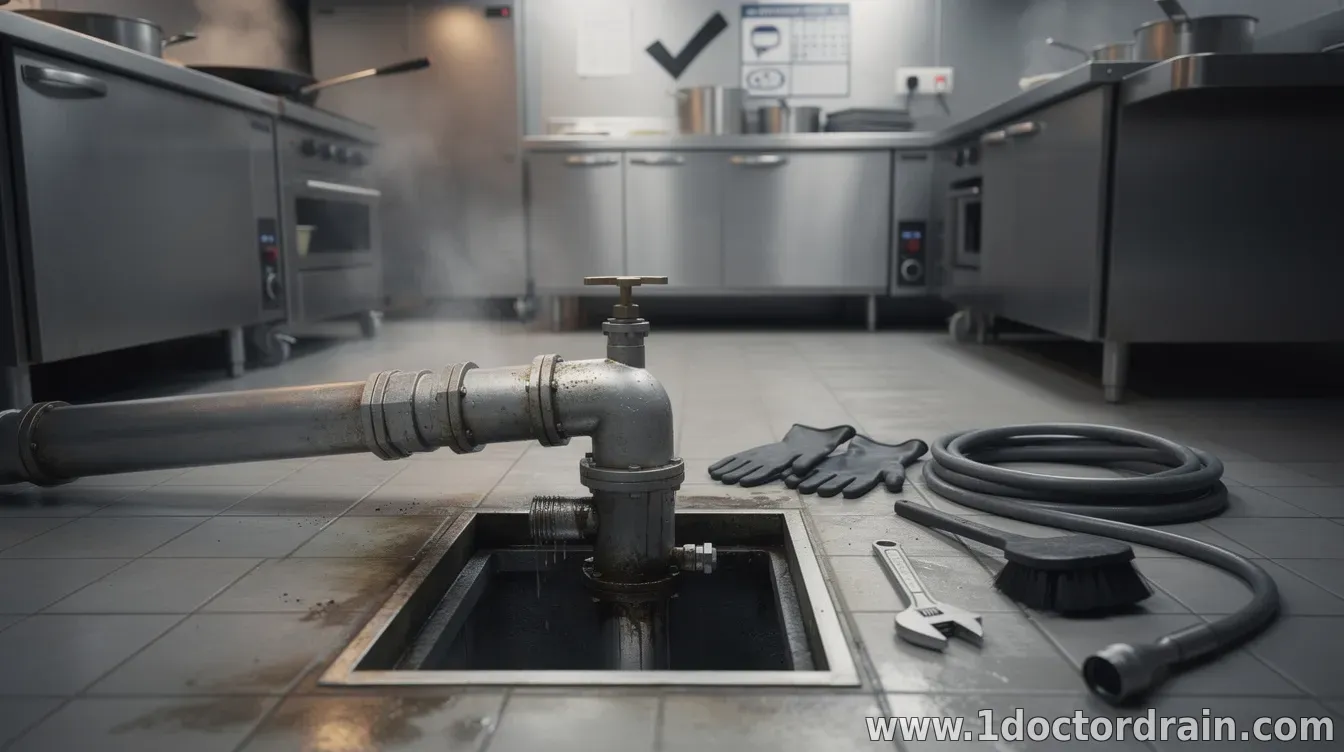
Grease Traps & Kitchen Drains: Fixes for Business Owners

Grease Traps & Kitchen Drains: Fixes for Business Owners


Kitchen grease, food particles, and cleaning products don’t disappear when they go down the drain. In most commercial kitchens, they accumulate in plumbing and in the grease interception system—leading to blockages, foul odors, and potential sanitation and compliance issues.


For business owners, the key is to prevent buildup through correct use, routine maintenance, and vendor coordination. When problems do occur, acting quickly can reduce downtime and expensive repairs.


Why grease trap problems happen


Grease traps are designed to capture fats, oils, and grease before they enter downstream pipes. Problems typically start when the system is overloaded or used incorrectly—for example, when hot greasy discharge is dumped too fast, when scraping practices transfer too much solids, or when cleaning routines send heavy residue into the interceptor.


Broken baffles, missing cove ... Read more »


Added: admin 06/22/2026 into the category «Drain cleaning serviсe» Views: 144 Commets: 0
More


« 1 2 ... 16 17 18 19 20 ... 56 57 »