NEWS

Home NEWS

☎ 312-532-6435

Drain сleaning serviсe, clogged drain, sewer cleaner, IL


How Often Should You Schedule Preventive Drain Cleaning?

How Often Should You Schedule Preventive Drain Cleaning?


Preventive drain cleaning can help homeowners avoid slow drains, unpleasant odors, and costly backups. The key question is timing: how often should you schedule the service so it’s effective without being unnecessary?


While plumbing systems vary, many professionals recommend a baseline schedule and then fine-tune it based on how your drains are used and what your pipes are experiencing.


Common recommendation: every 1–2 years


For many typical households, preventive drain cleaning is often recommended once every 12 to 24 months. This cadence helps remove buildup—such as hair, soap scum, food residue, and mineral deposits—that can gradually narrow pipes over time.


If your plumbing has a history of clogs, if several drains are affected during the same period, or if you live in an area with particularly hard water, you may want to lean toward the more frequent end of th ... Read more »


Added: admin 07/06/2026 into the category «Drain cleaning serviсe» Views: 167 Commets: 0
More


How Long Does a Video Inspection Take?

How Long Does a Video Inspection Take?


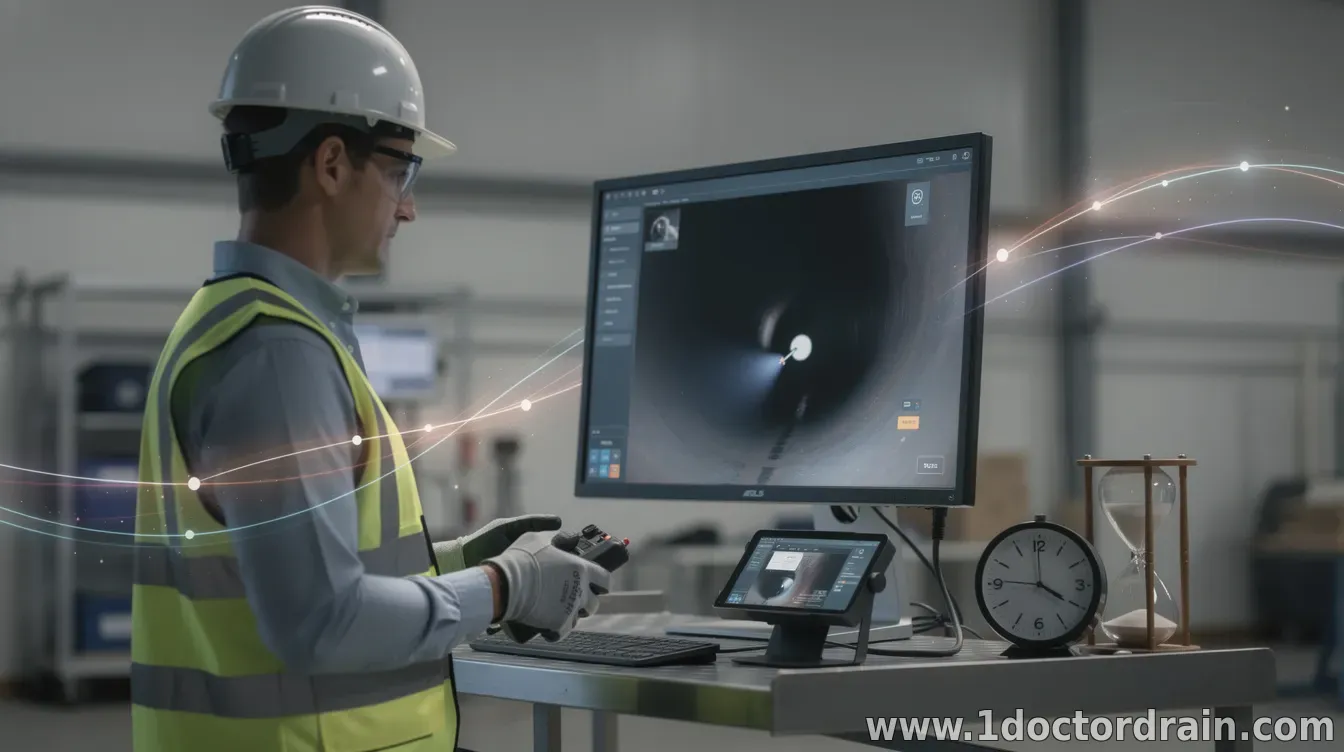
Video inspections are used to assess the condition of drains and pipes without digging, by inserting a camera into the line and recording what’s inside. While many people ask “how long will this take?”, the real answer depends on site conditions, the length and complexity of the plumbing run, and the scope of the investigation.


In practice, many straightforward residential drain or sewer inspections are completed on the same visit, but longer or more complicated cases can require additional time to set up, scan thoroughly, and document findings.


Typical inspection duration


For common residential jobs—such as locating a blockage, checking a suspect section, or surveying a short run—video inspection usually takes about 30 minutes to 2 hours. If the line is longer, multiple sections must be examined, or there are access challenges, the total time can extend to 2 to 4 hours.

&n ... Read more »


Added: admin 07/05/2026 into the category «Drain cleaning serviсe» Views: 195 Commets: 0
More


Emergency Drain Service: What Counts as a Real Emergency

Emergency Drain Service: What Counts as a Real Emergency


A blocked drain is frustrating, but only some situations truly qualify as an “emergency drain service.” The difference often comes down to safety risks, potential property damage, and whether contaminated water is involved.


Clear signs you should call an emergency drain service


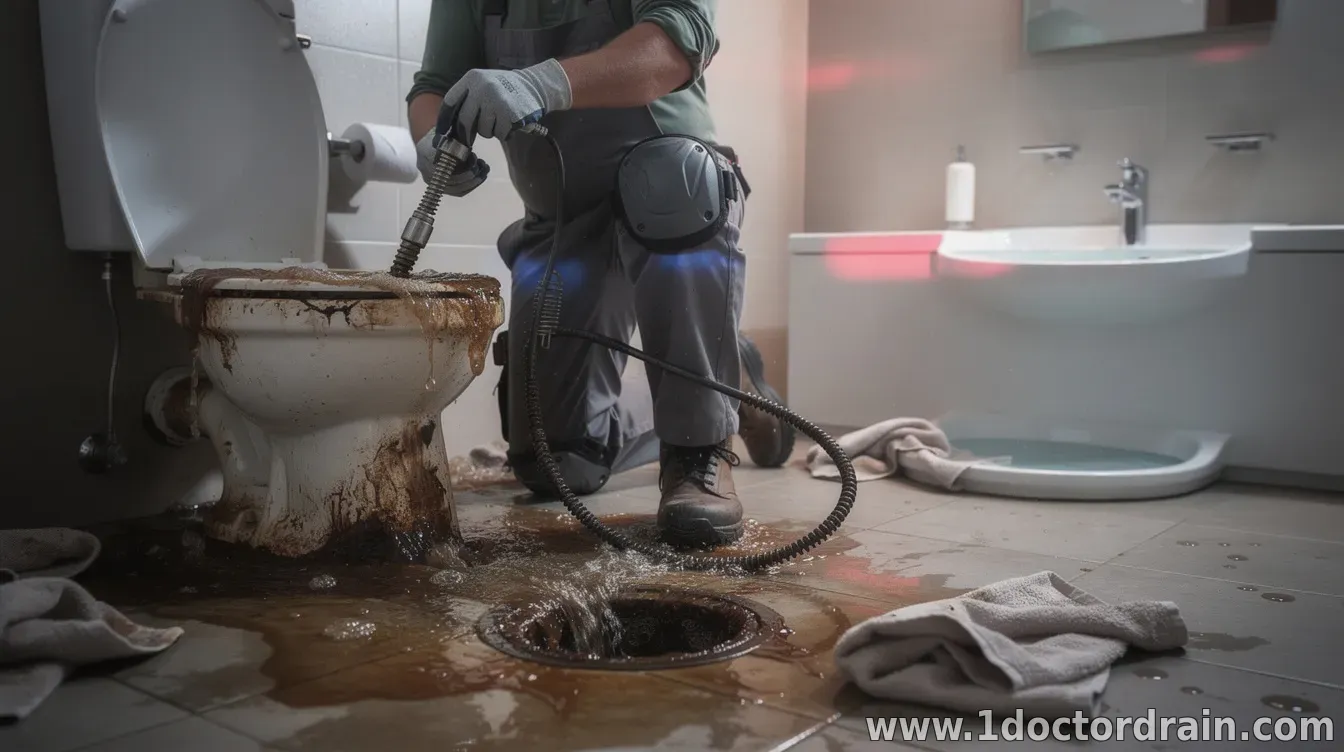
Sewage backup or foul odors. If toilet waste backs up into showers, sinks, or tubs—or if there’s a strong sewage smell that persists—this usually indicates a blockage beyond a simple clog. The longer it’s left, the higher the risk of contamination and spread.


Standing water or flooding inside the home. Any pooling water in a basement, utility room, or around fixtures that won’t drain typically needs urgent attention. Water can damage floors, walls, electrical systems, and insulation.


Complete blockage or multiple fixtures failing at ... Read more »


Added: admin 07/04/2026 into the category «Drain cleaning serviсe» Views: 190 Commets: 0
More


Laundry Drain Backups: How Lint and Detergent Clog Pipes

Laundry Drain Backups: How Lint and Detergent Clog Pipes


Laundry drain backups are a common plumbing problem that can turn everyday washing into a frustrating cleanup. While severe clogs can require a professional, many backups begin with predictable factors: lint accumulation, detergent and softener residue, and gradual pipe buildup that narrows flow over time.


Because a washing machine discharges large volumes of water quickly, any partial restriction in the drain line can lead to backups, gurgling sounds, and standing water in sinks or nearby fixtures—even if the laundry area itself looks normal.


Lint: the most frequent culprit


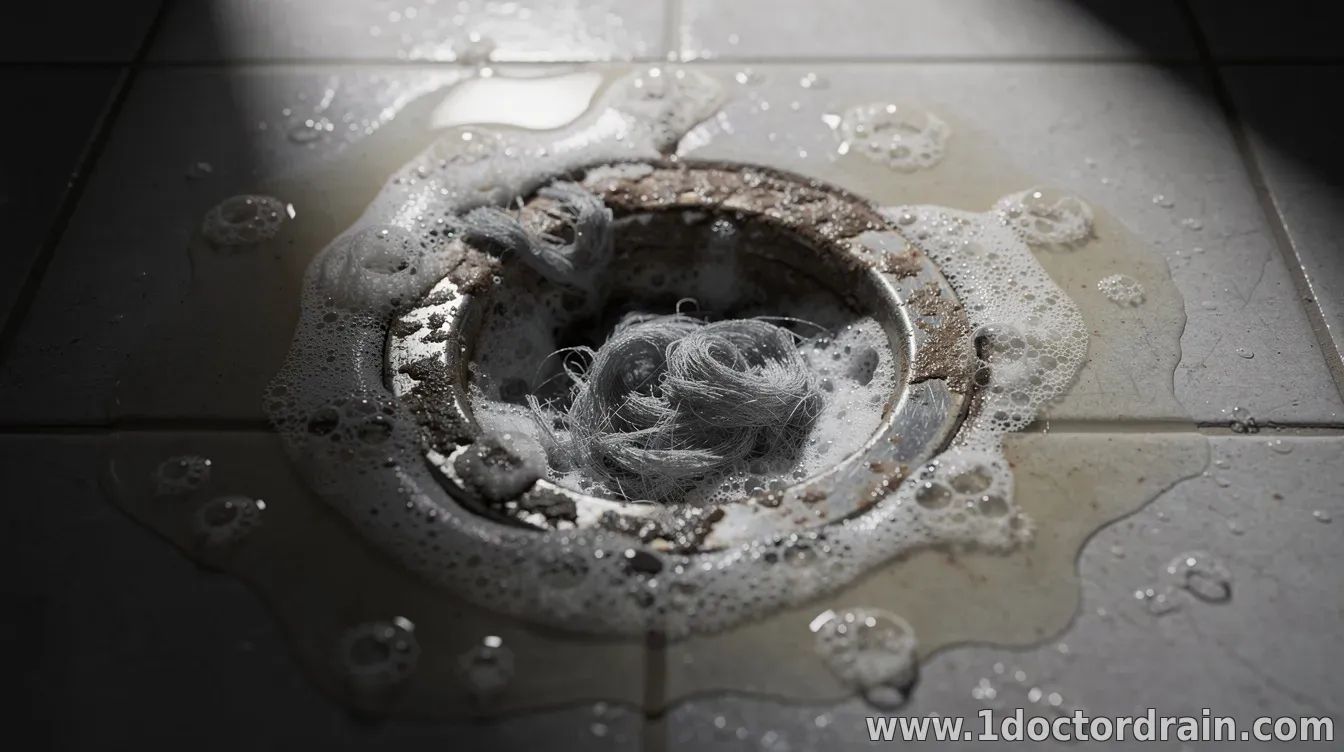
Lint is a primary contributor to laundry drainage issues. During wash cycles, small fibers shed from towels, socks, and bedding. These fibers can pass through the washer momentarily, then settle and accumulate where flow slows—such as bends, horizontal sections of pipe, or older plumbing with rough interior surfaces.

&nb ... Read more »


Added: admin 07/03/2026 into the category «Drain cleaning serviсe» Views: 206 Commets: 0
More


« 1 2 ... 18 19 20 21 22 ... 61 62 »