0:32 AM Floor Drains in Basements and Garages: Maintenance | |
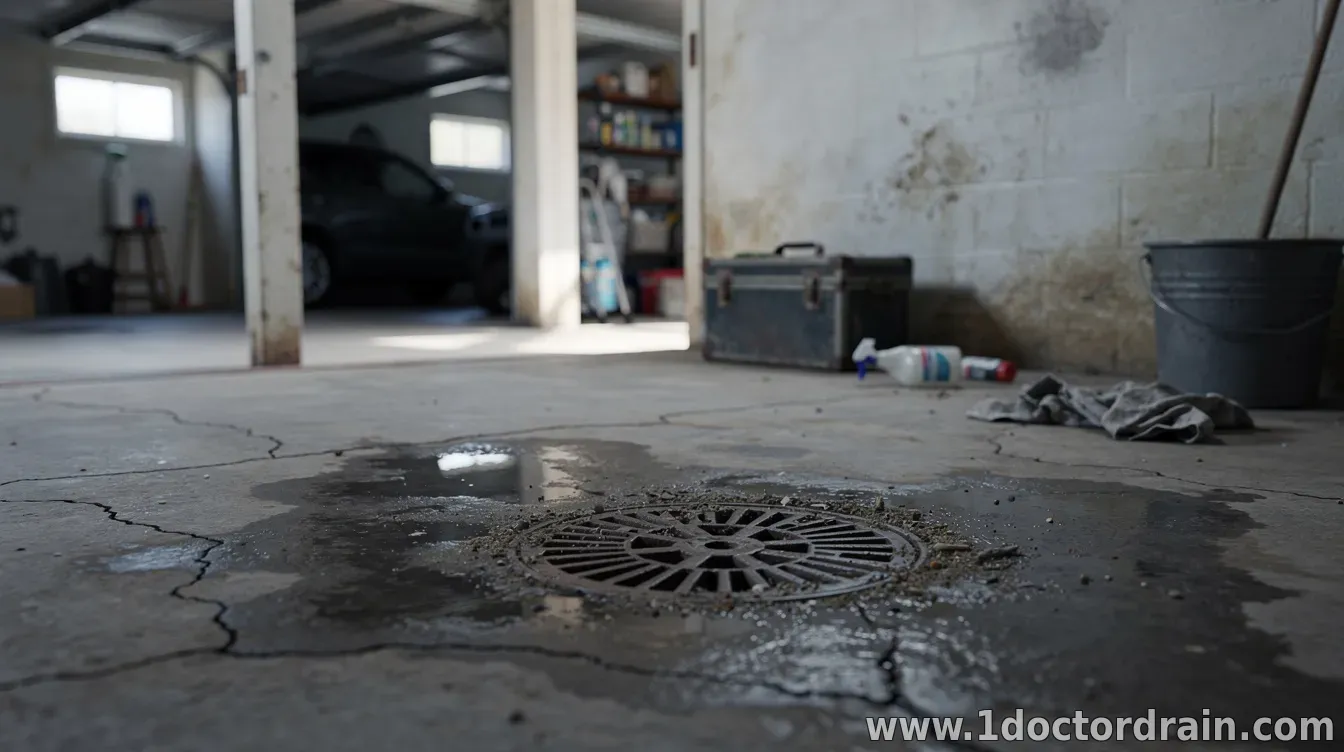
Floor drains in basements and garages are easy to overlook because they sit out of sight. Yet they play a critical role in directing surface water, accidental spills, and humidity away from concrete slabs and surrounding finishes. When maintenance slips, homeowners can face unpleasant odors, slow drainage, standing water, and in some cases damaged flooring or recurring leaks.
Most maintenance problems aren’t the result of a “failed” drain system—they’re usually caused by what flows into the drain over time: grit from shoes, hair, food debris, soap residue, grease, and sediment. Even in spaces where no one intentionally dumps anything down the drain, dust and debris can accumulate and gradually restrict flow. Why floor drains clog (and why it matters)
Basement and garage drains often connect to a trap or drainage assembly designed to reduce sewer gas and odors. If debris builds up, water can’t move freely, turning the drain into a hotspot for stagnation. Stagnant water accelerates buildup, produces foul smells, and can attract pests. Meanwhile, slow drainage increases the risk that water will back up onto the slab, undermining sealants and causing moisture-related issues in nearby materials. Common maintenance homeowners skip
Many residents only notice a problem after it becomes visible—like pooled water after rain, a bubbling sound, or a drain that suddenly “won’t take anything.” But routine upkeep can catch issues earlier. The most frequently skipped tasks include clearing visible debris, checking the drain cover and grate for accumulation, and periodically flushing the drain with clean water to confirm flow.
Another often-missed step is inspecting the trap and any removable parts. If the drain has a dry trap, evaporation or missing water seals can allow odors to escape. In garages that see less frequent use, traps can go dry between seasons, making the drain feel “fine” until a smell or backup appears. Simple homeowner steps to keep drains working
Homeowners can reduce clog risk with a short, periodic routine:
For drains that collect more debris—such as garages where mud and grit are tracked in—an even more frequent schedule may be appropriate during rainy seasons. The goal is not only to clear clogs, but to prevent the accumulation that leads to them. When to call a professional
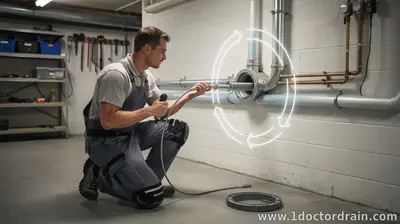
Some symptoms signal that maintenance needs to go beyond basic cleaning. If the drain backs up repeatedly, if water rises above the drain during normal use, or if odors persist despite cleaning, there may be a deeper blockage, damaged piping, or a failure in the drainage connection. Professional inspection can also help identify issues like collapsed lines, improper slope, or failed seals around the drain penetration.
Homeowners should also consider having the system evaluated if they’ve recently renovated a basement or garage. Changes to flooring, coatings, or landscaping drainage can alter how water reaches the drain and can increase the amount of debris or moisture entering the system.
Floor drains may not be visible day-to-day, but they are part of a home’s moisture management system. By cleaning grates, confirming flow, checking trap seals, and watching for early warning signs, homeowners can keep basements and garages drier, reduce odor problems, and avoid the higher costs that come with neglect.
| |
|
| |
CALL ☎ Subscribe 👆
Next & Previous posts
Related materials:
CONTACT US 📩
Submit the form, we'll contact you as soon as possible!