5:56 AM Power Rodding vs. Hydro Jetting: Choosing for Clogs | |
A clogged drain can turn from a minor inconvenience into a household headache quickly. Two widely used remedies—power rodding and hydro jetting—both aim to restore flow, but they work in different ways and are suited to different clog types.
Understanding the difference can help homeowners know what to ask for, what outcomes to expect, and how to reduce the chances of repeat problems. Power rodding: best for cutting and clearing physical blockages
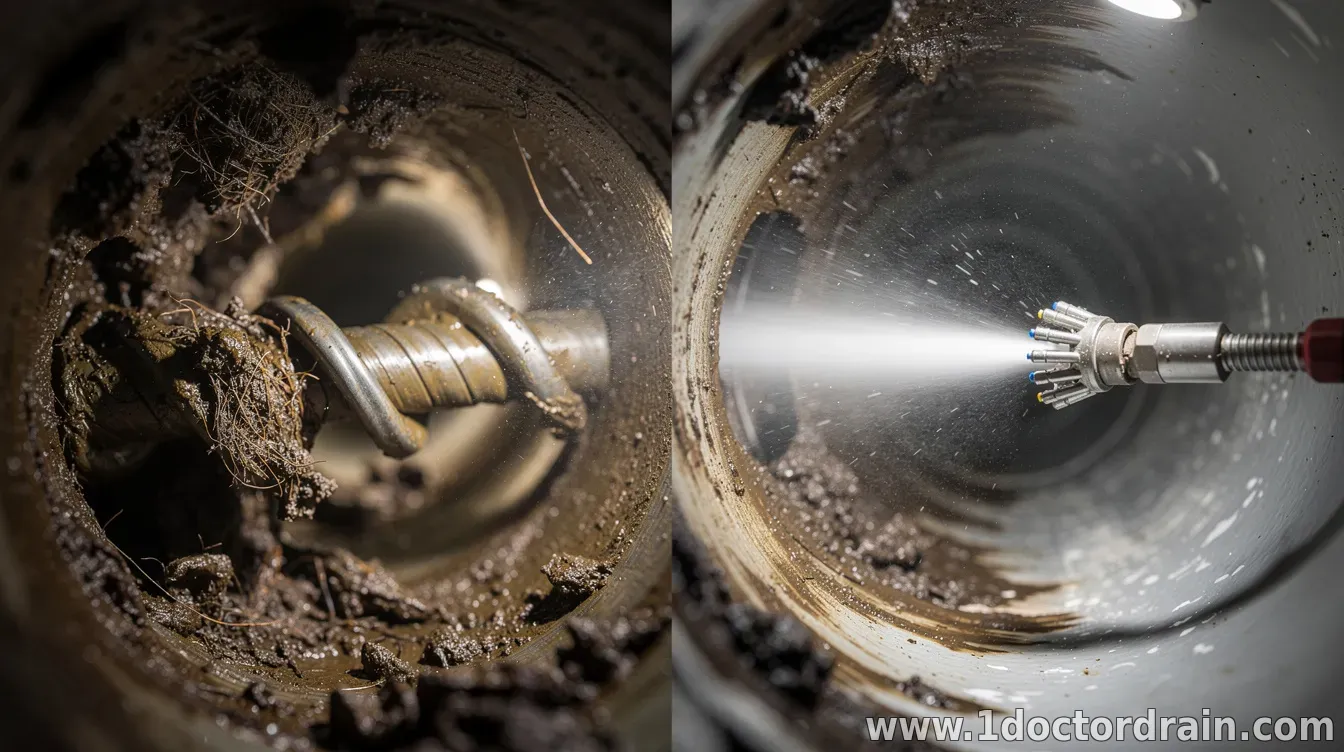
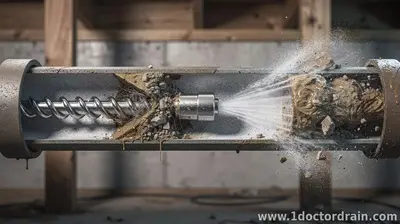
Power rodding uses a rotating cable (or rod) pushed through the drain line to break up and remove obstructions. The tool’s cutting action can tackle clogs caused by things like hair, grease chunks, small debris, and other solid matter that restricts flow.
In many service calls, plumbers start with mechanical clearing when the clog is suspected to be localized or primarily made of material that can be physically dislodged. Hydro jetting: best for thorough cleaning and buildup removal
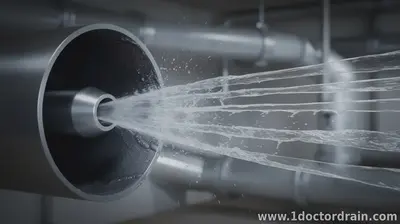
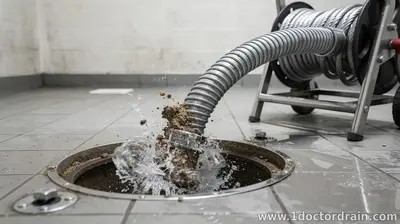
Hydro jetting sends high-pressure water through the pipe to scour the interior walls. Rather than just breaking a blockage into smaller pieces, jetting can flush away accumulated buildup such as grease film, scale, and other deposits that cling to the pipe over time.
This approach is often favored when the goal is not only to reopen the line, but also to reduce the likelihood of future clogs by cleaning the pipe surface more comprehensively. How plumbers match the method to the clog
In practice, the “right” method depends on what’s causing the blockage and the condition of the plumbing system. Many pros assess the drain’s symptoms—slow flow versus complete stoppage—along with possible risk factors.
Common decision cues include:
What to expect during service
With power rodding, the process typically centers on feeding the cable through the line and breaking up material until flow improves. With hydro jetting, the focus shifts to controlling pressure and direction so the water can reach and clean the impacted sections.
In both cases, professionals often run additional steps—such as confirming flow, checking for remaining restriction, and sometimes performing further diagnostics—before declaring the job complete. Which option is “better”?
Rather than a one-size-fits-all winner, the better option is usually the one aligned with the clog’s cause. Power rodding can be the efficient choice for many mechanical blockages, while hydro jetting can be the preferred route when long-term buildup is part of the problem.
For stubborn or recurring clogs, the most effective strategy is often informed by inspection and an understanding of pipe conditions—not just the symptom of standing water or slow drainage.
If you’re deciding between the two, ask a technician what they suspect is causing the clog, whether they recommend camera inspection, and how they plan to verify that the line is fully cleared. Those answers usually point clearly to the right tool for your situation.
| |
|
| |
CALL ☎ Subscribe 👆
Next & Previous posts
Related materials:
CONTACT US 📩
Submit the form, we'll contact you as soon as possible!