8:55 AM Power Rodding vs. Hydro Jetting for Clogged Drains | |
When a drain clogs, homeowners often face two common options: power rodding and hydro jetting. Both are used by plumbing professionals to clear obstructions, but they differ in how they remove material and how thoroughly they clean the inside of your pipes.
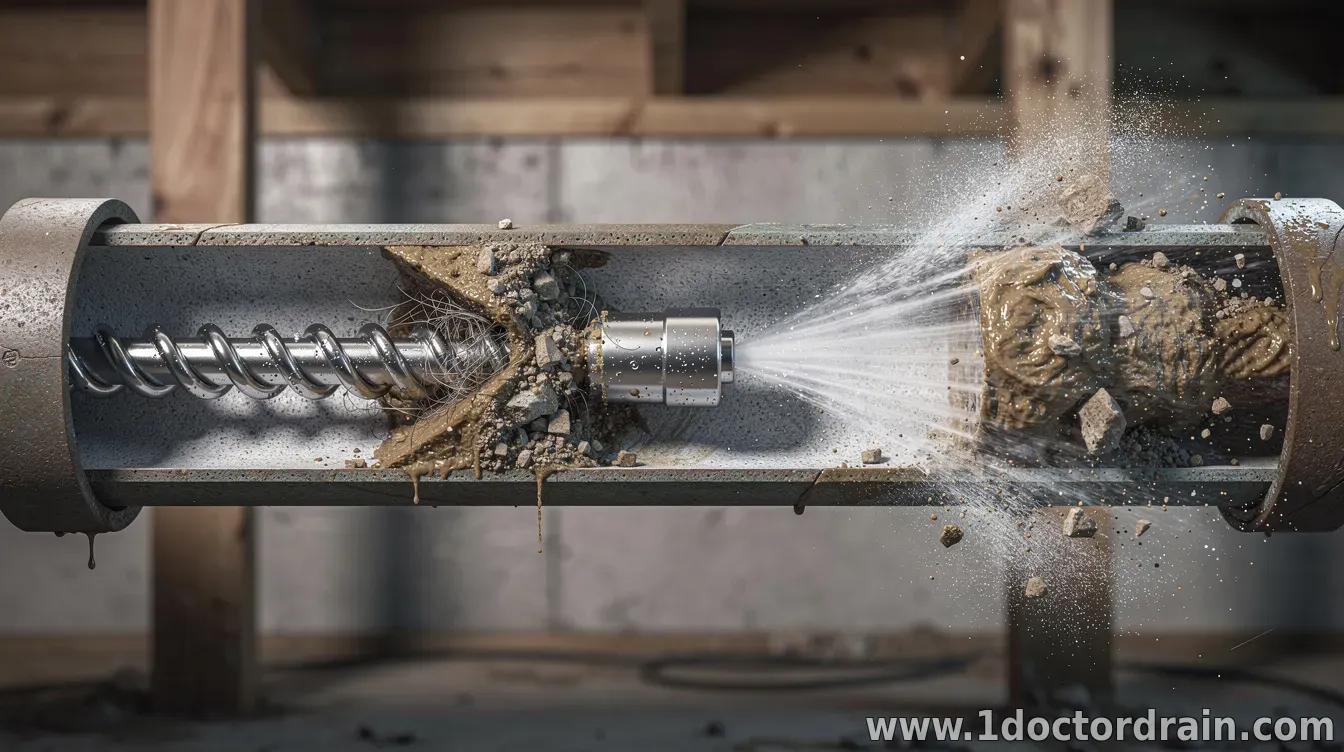
Power rodding uses a mechanical tool pushed through the line to break up or dislodge clogs. Hydro jetting uses high-pressure water to scour the pipe walls and flush debris downstream. The “right” choice depends on the clog’s nature, your pipe type, and whether you’re dealing with a one-time blockage or recurring buildup. How power rodding works—and when it fits
Power rodding, typically delivered with specialized equipment, is designed to physically disrupt obstructions such as small masses of hair, grease plugs, or compacted debris. In many cases, it’s a fast path to restoring flow—especially when the clog is relatively localized.
This approach can be a good fit when the problem is likely to be mechanical or partial blockage, or when you want a targeted intervention without blasting the line with high-pressure water. It may also be preferred in situations where the pipe condition is unknown and the goal is to remove the obstruction with minimal risk of dislodging fragile material. How hydro jetting works—and what it’s best for
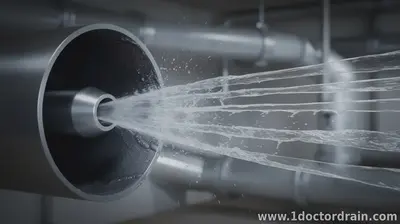
Hydro jetting clears clogs by forcing high-pressure water through the drain line. That pressure not only helps move blockages but also scrubs the interior surfaces, removing buildup along the pipe walls—such as grease residue, scale, and accumulated sediment.
Hydro jetting is often chosen for recurring clogs, slow drains that don’t fully resolve after basic cleaning, or lines where buildup is suspected along more than one section. Because it cleans more thoroughly than many other methods, it can reduce the chance of repeat problems—though it’s not always necessary for every blockage. Key differences: removal style, thoroughness, and risk
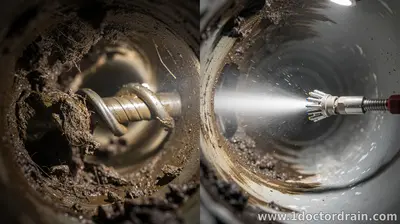
The core distinction is cleaning method. Power rodding primarily addresses the obstruction, while hydro jetting addresses the obstruction and the surrounding buildup.
In general:
Match the method to the likely cause of your clog
While only an inspection can confirm the source, certain patterns point to the most suitable approach. For example, clogs driven by grease accumulation and oily residue may respond well to hydro jetting because it can scour the interior and remove lingering film.
By contrast, if the blockage appears more like a concentrated obstruction—such as debris that forms a compact plug—power rodding may restore flow efficiently. If a line is repeatedly backing up after “clearing,” that often suggests buildup along the pipe walls, where hydro jetting’s thorough cleaning can be advantageous.
In both cases, plumbing professionals may use video inspection to locate the clog and determine whether additional cleaning—or a different approach entirely—is warranted. What to consider before deciding
Even when both methods are available, the safest and most effective route depends on site-specific factors. These include pipe material (older clay, newer PVC, cast iron), the pipe’s age and condition, the clog location, and whether there’s evidence of buildup over a longer stretch.
Homeowners should also consider that frequent clogs can be a sign of underlying issues such as improper disposal habits, tree-root intrusion in outdoor lines, or damaged pipe sections. In those scenarios, clearing the clog is only part of the solution; preventing recurrence may require repairs or changes to how waste is handled.
Bottom line: which should you choose?
If you’re dealing with a straightforward, localized blockage, power rodding may be enough to break it up and restore flow. If you have recurring clogs, persistent slow drainage, or suspected buildup throughout the line, hydro jetting is often the better option due to its more comprehensive interior cleaning.
The most reliable way to choose is to have a professional assess the pipe, identify the clog type, and select the method that clears the blockage while minimizing risk to your plumbing system.
| |
|
| |
CALL ☎ Subscribe 👆
Next & Previous posts
Related materials:
CONTACT US 📩
Submit the form, we'll contact you as soon as possible!