
1:43 AM Toilet Won’t Flush Properly? Common Culprits Beyond Clogs | |
A toilet that won’t flush properly can be more than just a simple blockage. While clogs are common, issues with how the tank releases water, how quickly it refills, or how the home’s plumbing vents work can also lead to weak flushes, incomplete clearing, or recurring problems.
Below are several frequent culprits beyond clogs, plus practical steps to diagnose the cause safely before calling a plumber. 1) The flapper or flush valve isn’t sealing or opening fully
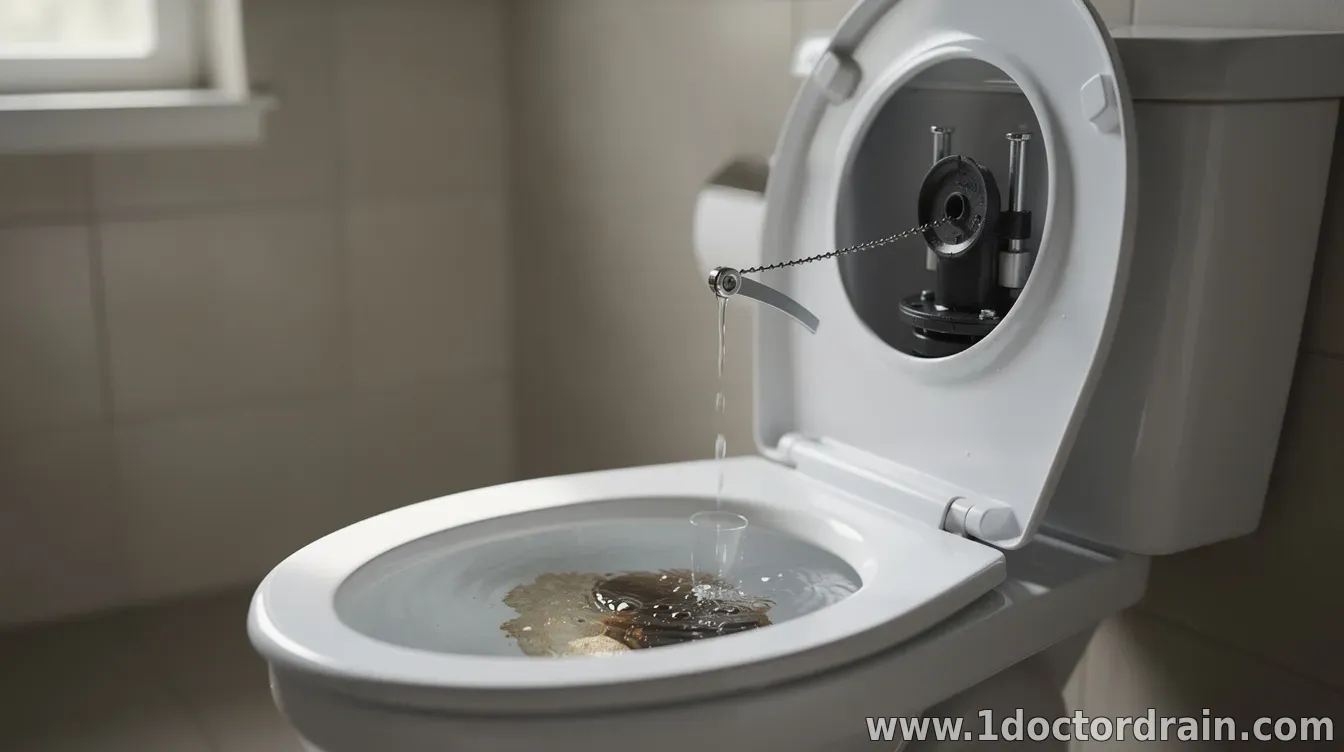
Inside the tank, the flapper (or flush valve seal) controls when and how much water is released into the bowl. If it’s worn, warped, or not lifting high enough, the tank may release too little water—resulting in a weak flush or partial clearing.
What to do: Watch the flush cycle. The flapper should lift fully and close promptly. If it closes too early, hangs partially open, or looks cracked or slimy, it may need replacement. 2) Water level in the tank is too low
Even if the flapper works, a tank that doesn’t have enough water will struggle to generate the force needed to clear the bowl. Low tank water levels can happen after a refill adjustment, a failing fill valve, or slow water replenishment.
What to do: Check the water line against the marked level on the tank (or typical fill line). If the water sits well below the recommended level, adjust the float or replace a problematic fill component so the tank refills correctly. 3) Weak or inconsistent water supply pressure
If water pressure is low or inconsistent, the toilet may not receive enough flow during the fill and flush cycle. This is especially noticeable when multiple fixtures are used at the same time or if the shutoff valve is partially closed.
What to do: Ensure the shutoff valve feeding the toilet is fully open. If the toilet’s refill sounds slow or weak, check nearby fixtures for similar pressure problems. Persistent supply issues may require a broader plumbing or pressure adjustment. 4) Debris, mineral buildup, or misaligned parts
Over time, mineral deposits and debris can interfere with moving parts in the tank and flush pathway. Even without a full clog, buildup can restrict flow, prevent smooth opening/closing, or disturb the flush action.
What to do: Inspect the tank components for scale and clean accessible parts as needed. If the flush valve or flapper seats unevenly, ensure everything sits properly and moves freely. 5) A failing fill valve that refills too slowly
A fill valve that can’t refill the tank at normal speed may lead to weak or incomplete flushes—particularly if the toilet is used repeatedly within a short time. Slow refilling often points to a worn valve, clogged filter screen, or incorrect float setting.
What to do: After a flush, listen to how quickly the tank refills. If it takes unusually long, check the float adjustment and inspect for blockages or deterioration in the fill mechanism. 6) The venting system may be the real issue
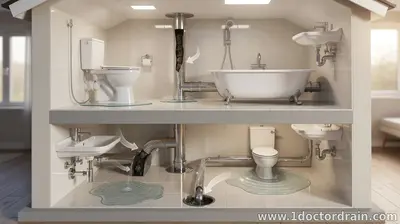
Toilets rely on proper venting to move waste and prevent pressure or drainage problems. If venting is restricted—due to improper plumbing, blockage, or venting failure—the toilet may gurgle, drain slowly, or fail to flush effectively even when there’s no obvious clog.
What to watch: Signs can include gurgling sounds, repeated slow drainage, or inconsistent performance across multiple flushes. Venting problems can be more complex, often requiring professional assessment. 7) Bowl water level is off (or siphoning action is weak)
The toilet bowl needs a correct water level to create the siphon effect that clears waste. If the tank-to-bowl transfer isn’t occurring as intended, the bowl may not fill to the right height, leading to weak flushing.
What to do: Observe the bowl after flushing. If it fills incompletely or empties too slowly, focus on tank release components first (flapper/flush valve) and confirm the tank water level is correct.
If the problem keeps returning after you’ve checked common internal components—especially if you notice gurgling or slow drainage—get a plumber’s help. Persistent performance issues may involve the toilet’s drain lines, venting, or an internal plumbing connection.
In many cases, a weak flush isn’t a clog at all. By inspecting the flapper and flush valve, verifying tank water level, confirming supply flow, and watching how quickly the tank refills, you can narrow down the cause and restore a strong flush.
| |
|
| |
CALL ☎ Subscribe 👆
Next & Previous posts
Related materials:
CONTACT US 📩
Submit the form, we'll contact you as soon as possible!