
2:35 AM Sump Pump Installation Cost: Key Price Drivers | |
Sump pump installation is a common solution for managing basement moisture and protecting foundations from water intrusion. But the total cost isn’t one-size-fits-all—pricing depends on site conditions, system design, and how much work is needed to connect the pump to safe drainage.
Below are the most important factors that determine what homeowners pay, along with practical examples of how they affect the final quote. Pump type and power requirements
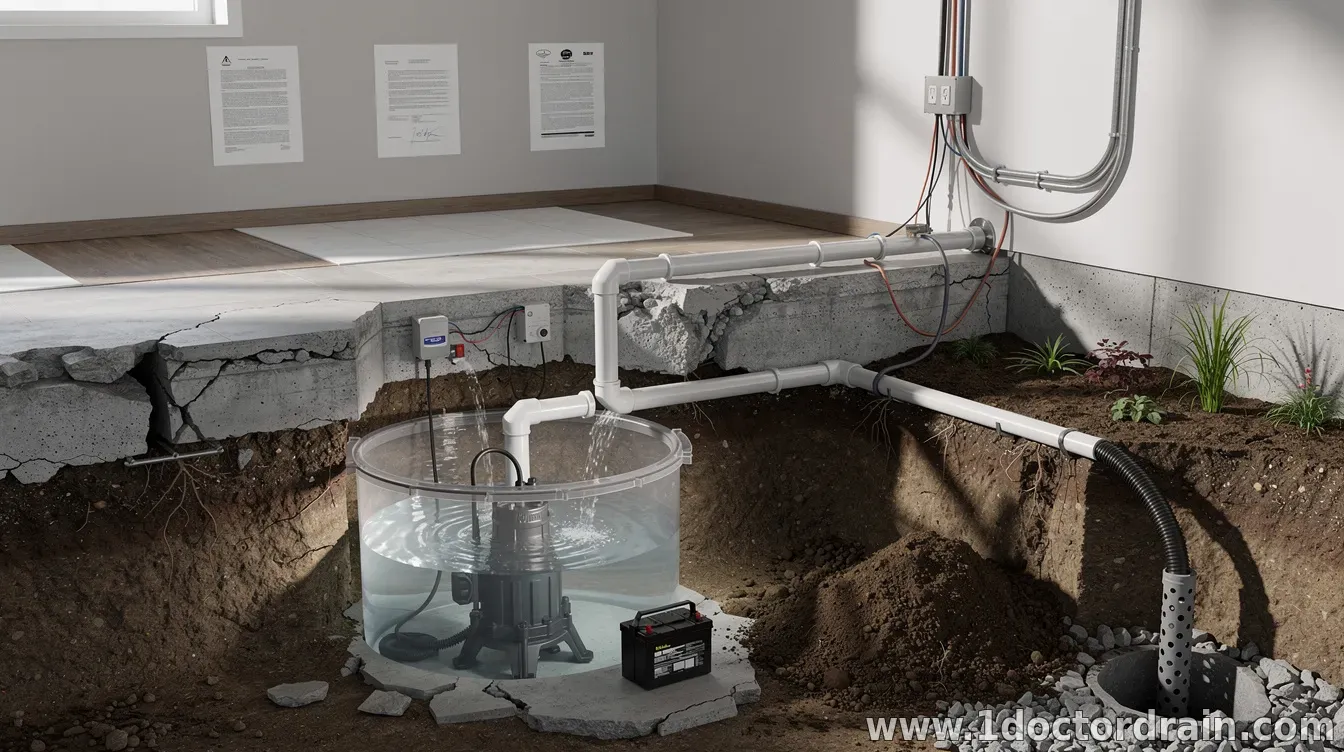
The type of sump pump you choose is usually one of the largest cost drivers. A basic submersible pump is often less expensive than systems with enhanced features like higher-capacity motors, float switch options, alarms, or battery backup. Where power reliability is a concern, installing a backup system can add cost but reduce the risk during outages. Basement layout, sump pit depth, and accessibility
Even with the same pump model, installation can vary substantially. If a contractor needs to excavate or deepen a sump pit, cut through concrete, or work around existing foundation elements, labor increases. Tight access areas, finished basements, or limited workspace can also raise labor time and equipment needs. Drainage routing and discharge location
Another major factor is what happens to the water after it leaves the sump pit. Routing the discharge pipe to an exterior outlet—such as a drain tile system, dry well, or an approved location away from the home—can require additional trenching, pipe material, fittings, and sometimes concrete restoration. Closer, straightforward routes typically cost less than longer or more complex paths that must cross landscaping or slabs. Electrical work, permits, and inspections
Many installations require electrical modifications, including new circuits, GFCI protection, and proper wiring to meet code. Depending on local requirements, permits and inspections may be necessary for electrical work and for modifying drainage systems. These administrative and compliance steps can add both direct fees and scheduling time. Water management needs: single pump vs. multi-layer systems
Some properties need more than a single discharge line. For example, homes with frequent groundwater intrusion may benefit from larger capacity pumps, additional monitoring (like alarms), or design adjustments that reduce the chance of overflow. In certain cases, contractors may recommend pairing the sump pump with improvements such as re-grading soil or addressing exterior downspouts—though those items can be priced separately. Work condition and restoration costs
Installation often involves more than drilling and pipe connections. If the job includes breaking up concrete, repairing the slab, patching walls, reinstalling finished flooring, or restoring landscaping disturbed by trenching, those restoration tasks can significantly impact the total price.
Because quotes can bundle different scopes, homeowners should ask what’s included—such as excavation, discharge line length, electrical modifications, permits, and final restoration—to avoid surprises after work begins.
When getting bids, consider requesting an itemized estimate and clarifying key assumptions: the proposed pump size, whether a battery backup or alarm is included, estimated discharge route length, and how the contractor plans to handle permits and inspections. Understanding these variables helps you compare offers on equal footing and choose a system that matches the property’s water risk—not just the lowest sticker price.
| |
|
| |
CALL ☎ Subscribe 👆
Next & Previous posts
Related materials:
CONTACT US 📩
Submit the form, we'll contact you as soon as possible!