
1:53 AM The Water Drains, So Everything Is Fine: Why That’s a Myth | |
Lead
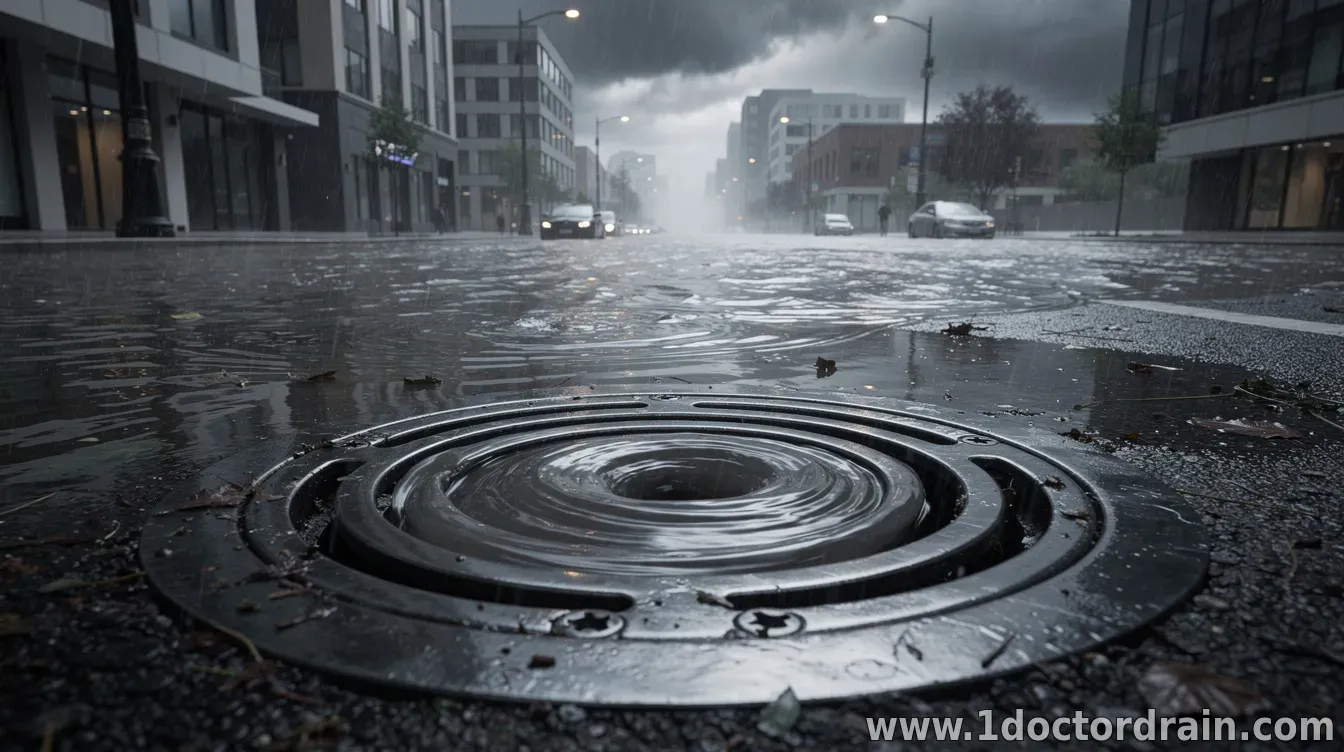
In everyday life, people often assume that if water stops rising or a crisis appears to pass, the problem is over. The saying “the water drains, so everything is fine” echoes through homeowners’ basements, municipal budgets, and disaster response plans. Journalists and scientists argue that drying up is only a temporary lull, not a guarantee of safety or resilience. What the phrase signals and what it hides
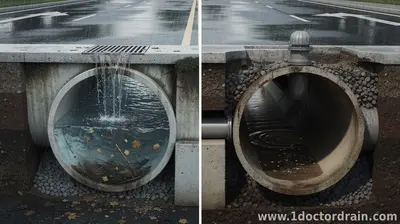
The expression suggests a binary: water up, danger; water down, safety. In reality, drainage can mask underlying issues such as structural weakness, mudslide risk, or neglected maintenance. Experts note that drains, pumps, and flood barriers are parts of a system. If any element fails or was never adequate to begin with, trouble awaits even after visible water recedes. Why this myth persists
Several factors help the myth endure: optimism bias (people remember the smooth outcomes and forget the near misses), cost concerns (upfront prevention feels expensive), and institutional inertia (budgets favor reactive fixes over proactive upgrades). Media coverage that focuses on dramatic moments—flood peaks, wind gusts, rescues—can also gloss over the quiet, ongoing checks that keep systems intact. Real-world implications
Communities that treat drainage as a signal of safety risk underinvest in maintenance, which can lead to repetitive damage and higher long-term costs. Homes in flood-prone areas may look dry after a rainfall, but weakened foundations, damp indoor air, and mold can emerge weeks later. Public infrastructure—from storm sewers to green infrastructure—requires regular inspection and modernization to truly stay ahead of risk. What to watch for and how to respond
Experts recommend regular checkups of water systems: sump pumps, drainage lines, and backflow valves should be tested annually. Property owners should document drainage capacity, ensure proper grading around foundations, and consider flood mapping updates. Transparent, proactive communication about risk can prevent the lull after a near-miss from becoming the next crisis. Conclusion
Water recedes for many reasons, but safety and resilience don’t automatically disappear with the tide. Treat drainage as part of a broader readiness plan, not as a final verdict on risk. Only sustained prevention and maintenance turn a temporary calm into lasting security.
| |
|
| |
CALL ☎ Subscribe 👆
Next & Previous posts
Related materials:
CONTACT US 📩
Submit the form, we'll contact you as soon as possible!