12:08 PM Septic vs. City Sewer: How Maintenance Differs | |
|
When deciding between a septic system and a municipal sewer connection, maintenance is the deciding factor for long-term cost and reliability. Septic systems require ongoing management on private properties, while city sewers shift much of the upkeep to the local utility. Understanding these differences helps homeowners budget, avoid costly failures, and protect groundwater.
Maintenance basics
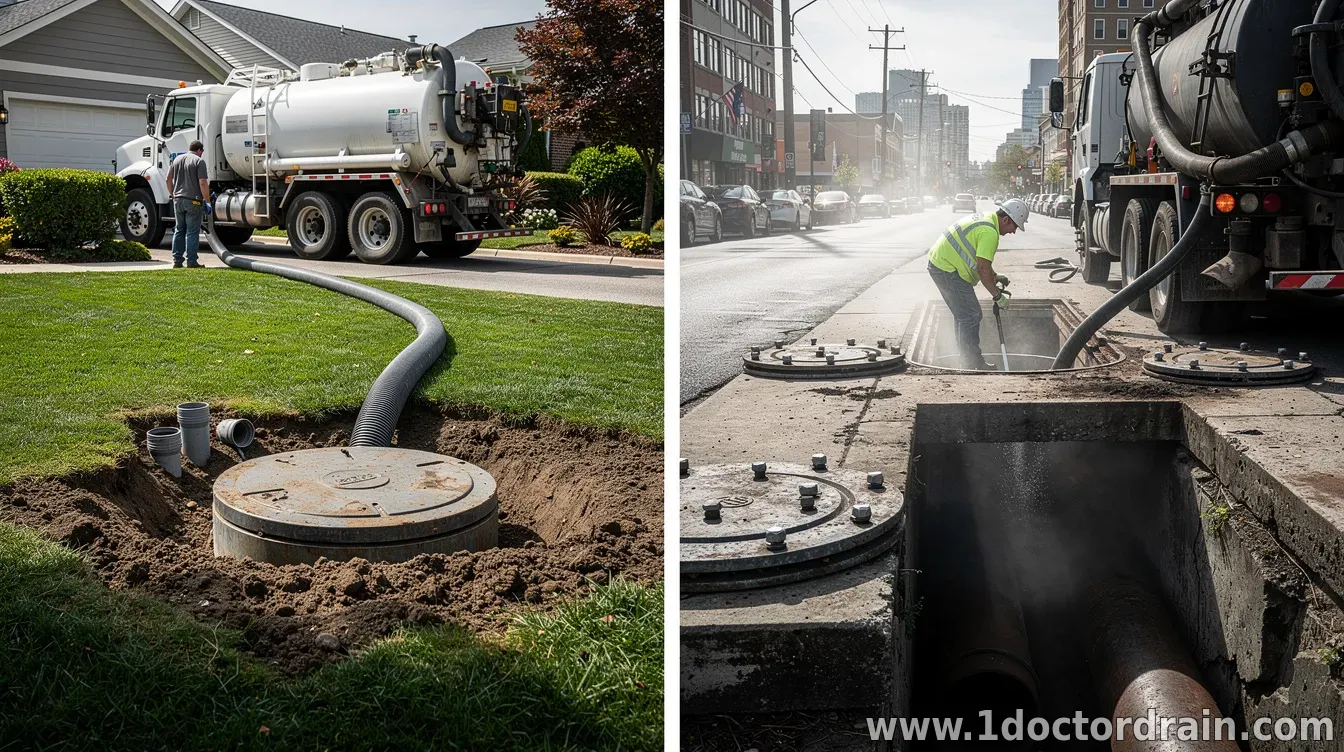
Septic systems operate with a subterranean tank that separates solids from liquids. Regular pumping every 3–5 years (varying by household size and usage) is essential to prevent clogging and backups. Use water efficiently to reduce sludge buildup, and limit the disposal of non-biodegradable items, chemicals, or fats that can disrupt the tank’s balance and the soil’s absorption field.
City sewer systems receive wastewater through the home’s plumbing and transport it to a treatment facility. Maintenance is handled by the municipality, with homeowners focusing on preventing blockages in their own lines. Simple practices—proper venting, avoiding grease from kitchens going down drains, and reporting unusual sewage odors—help keep the system running smoothly.
Costs and risk factors
A septic system typically incurs upfront installation costs plus periodic pumping and occasional repairs to the drain field. Failing to maintain it can lead to groundwater contamination, surface spills, and costly replacements. In contrast, sewer users pay monthly or quarterly fees, with the city absorbing most major repairs; individual homeowners generally bear only their service charges, though later rate hikes are possible.
Environmental risk differs between the two options. Septic systems rely on soil to filter and treat wastewater, which makes location, soil type, and water table critical. A poorly maintained system can leak, causing odor problems and potential contamination of nearby wells. Municipal sewers, while broad in coverage, entrusts risk to public infrastructure and requires homeowners to fix clogs within their own pipes before the sewer line.
Signs of trouble and practical tips
Common septic warnings include slow drains, gurgling noises, water pooling in the leach field, and sewage odors near the drain area. If you notice these signs, schedule a professional inspection promptly to avoid a complete system failure. For city sewer users, frequent backups after heavy rain may indicate sewer surges or blockages that should be reported to the utility.
Practical maintenance tips include: scheduling regular septic pumping, conserving water to reduce load, avoiding chemical drain cleaners, and keeping the drain field clear of vehicles and heavy equipment. For those on city sewers, protect the main cleanout access, install backflow prevention devices where needed, and follow the utility’s guidelines for venting and pipe maintenance.
Choosing between the options
Choosing a system often comes down to property location, soil conditions, and long-term cost. Rural homes with adequate drain fields may prefer septic systems for independence and potential cost savings over decades. Urban or suburban homes with reliable municipal service typically favor sewers for convenience and lower maintenance burden.
Next steps include consulting a licensed plumber or septic specialist to evaluate soil type and system condition, and checking with the local utility about sewer access, permits, and potential infrastructure upgrades. A clear maintenance plan helps protect property value and public health, whichever system you rely on.
| |
|
| |
CALL ☎ Subscribe 👆
Next & Previous posts
Related materials:



CONTACT US 📩
Submit the form, we'll contact you as soon as possible!