
2:30 AM Landlord vs. Tenant: Who Pays for a Clogged Drain? | |
|
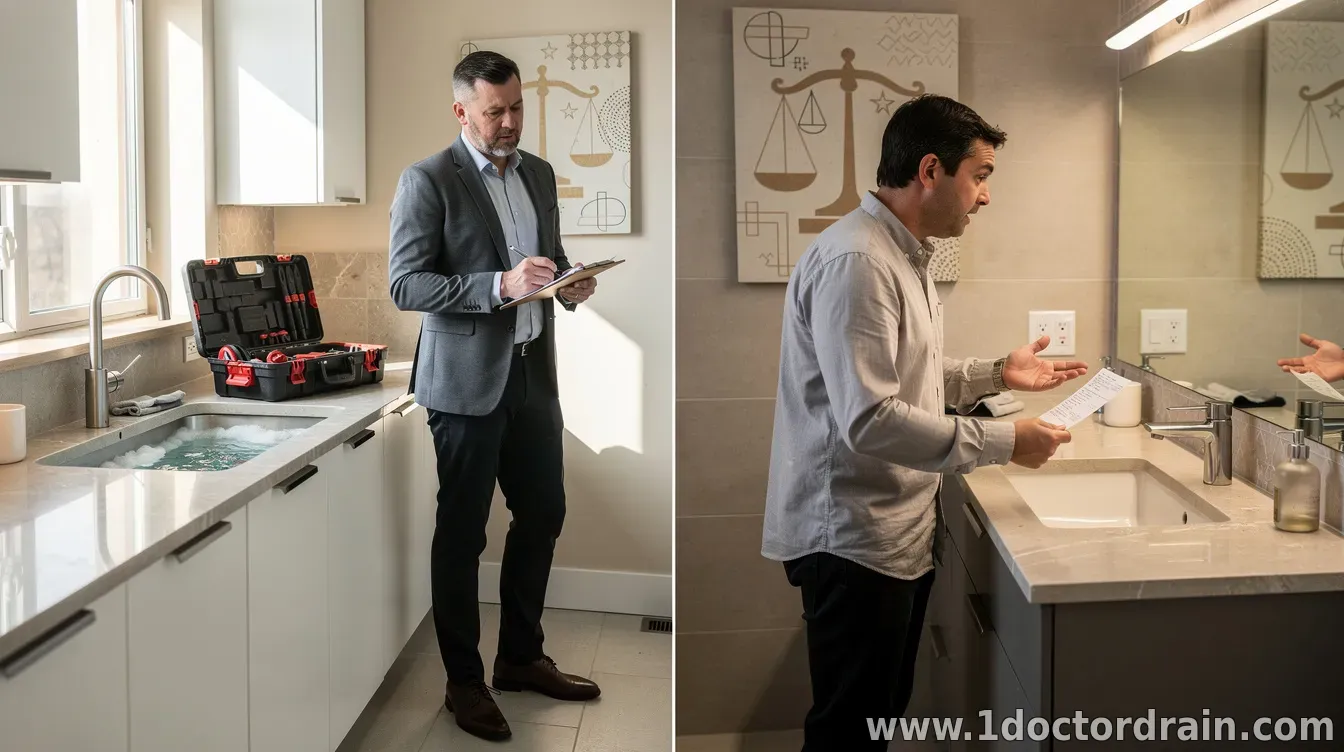
When a bathroom or kitchen drain backs up, the question often arises: who pays for the repair—the landlord or the tenant? The answer varies by jurisdiction, lease terms, and the cause of the clog. In many places, essential plumbing is considered a landlord responsibility, but there are important caveats that tenants and landlords should understand before filing repair requests or invoices.
Legal standards commonly distinguish between regular wear and tear and damage caused by misuse. Landlords typically cover repairs that stem from aging pipes or structural plumbing issues that affect habitable conditions. Tenants, on the other hand, may be charged for repairs if a clog is caused by improper use, negligent maintenance, or placing non-flushable items down the drain. Lease agreements often spell out these responsibilities in a section on maintenance and repairs.
To avoid disputes, tenants should report clogs promptly and document the problem with photos or a written notice. Landlords should respond within a reasonable timeframe, initiate an inspection, and arrange for professional plumbing as needed. Clear communication helps ensure repairs are completed efficiently and that responsibility is appropriately allocated according to local laws and the lease.
Practical steps for tenants include noting when the clog started, what was used (such as cleaning products), and whether others in the building are affected. If a plumber confirms a systemic issue linked to the building’s plumbing, the landlord is more likely to shoulder the cost. If the tenant’s actions caused the clog, the landlord may seek reimbursement through the security deposit or a separate bill, depending on local regulations.
For landlords, keeping records is essential. Maintain a copy of the lease, any maintenance requests, inspection notes, and invoices. Consider providing a written maintenance policy in the lease, outlining expected tenant practices and the process for handling clogs and other plumbing problems. In multi-unit buildings, uniform handling helps reduce disputes and ensures fair treatment for all tenants.
Bottom line: while many jurisdictions favor landlord responsibility for major plumbing failures, the exact allocation hinges on local law and lease terms. Tenants should act quickly to report issues, and landlords should document everything and communicate clearly about next steps and costs.
Next steps for readers: review your lease’s maintenance section, check local tenant-landlord statutes, and keep a simple log of plumbing issues as they arise. If disputes persist, consult a local housing agency or legal advisor familiar with your area’s regulations.
| |
|
| |
CALL ☎ Subscribe 👆
Next & Previous posts
Related materials:



CONTACT US 📩
Submit the form, we'll contact you as soon as possible!