1:51 AM How Grease, Fat, and Oil (FOG) Damage Your Pipes | |
Grease, fat, and oil (FOG) may seem harmless when it goes down the drain, but many fats and oils cool and solidify inside plumbing systems. As deposits accumulate, they can restrict water flow, make clogs more likely, and increase the chance of sewer backups.
FOG problems typically worsen over time because small amounts add up. What’s washed away after cooking today can become tomorrow’s hardened residue along pipe walls, especially in colder sections of piping or where flow slows down. 1) FOG sticks to pipe surfaces and traps other debris
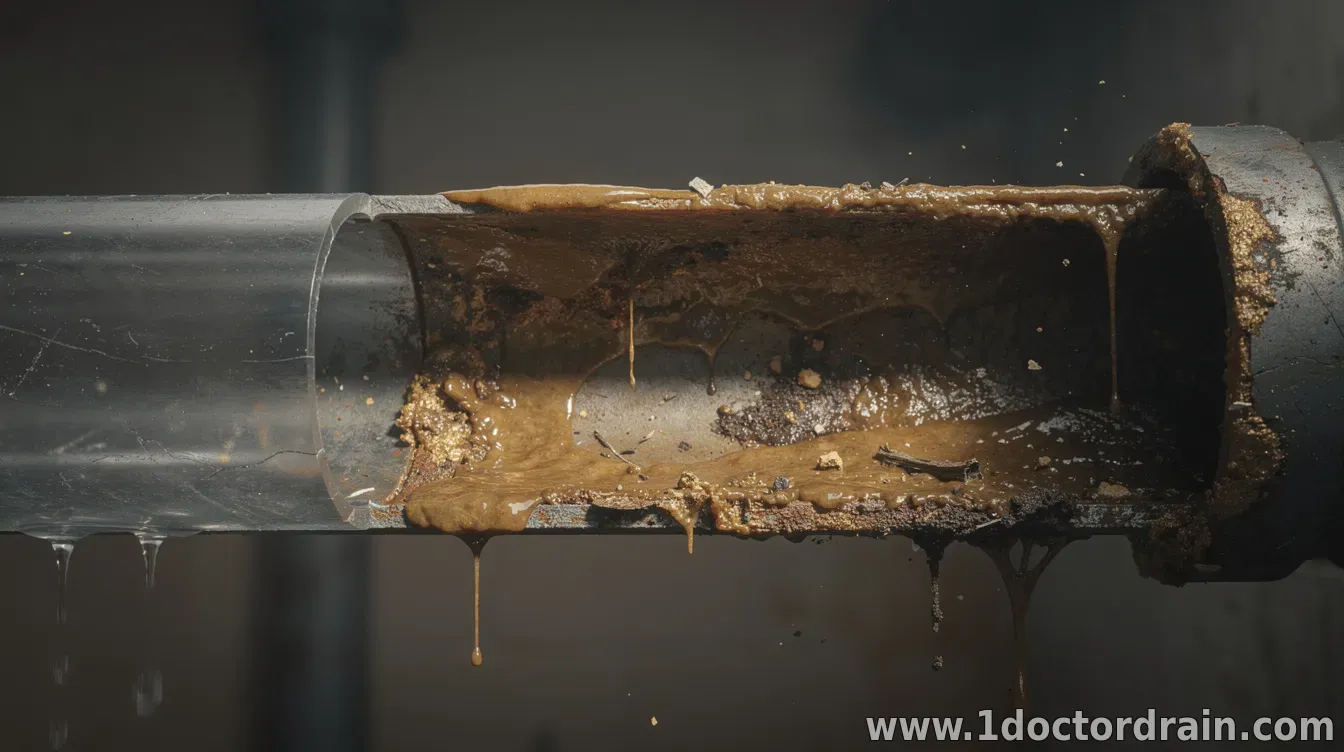
When grease coats the interior of pipes, it creates a sticky layer. Over repeated use, that surface begins to catch food particles, soap residue, and other household waste. The result is a thicker “mat” of material that reduces the pipe’s effective diameter.
This matters because plumbing is not designed to carry solids. Even if a clog doesn’t form immediately, buildup gradually transforms smooth flow paths into rough, obstructed ones. 2) Cooling turns liquids into hardened blockages
Many cooking fats are liquid while warm but solidify as they cool. Once FOG cools on the pipe wall, it adheres and becomes more difficult to flush out. With time, the deposit can form layers, creating partial blockages that worsen with each rinse cycle.
On hot days or immediately after cooking, FOG may move farther through the system—then settle elsewhere as temperatures drop, leading to accumulation downstream. 3) Narrower pipes increase pressure and cause backups
As deposits reduce pipe diameter, water has to move through tighter spaces. That can increase backpressure and make the system more sensitive to additional waste. When a clog finally develops, it may block not only the drain at your sink but also movement of wastewater from other fixtures.
The practical consequence is often a backup—slow draining, gurgling sounds, recurring blockages, and, in severe cases, sewage backing up into the home or yard. 4) They can create foul odors and attract pests
Stagnant, partially blocked pipes can trap organic material, which can break down and produce unpleasant odors. Residual deposits also provide a favorable environment for buildup that can worsen smells and potentially attract pests around access points.
Even if drains eventually clear, odor returning regularly can be a sign that material is accumulating within the plumbing or at connection points. 5) Why “hot water” doesn’t fully solve the problem
Rinsing with hot water can temporarily help move some grease, but it doesn’t eliminate the core issue: FOG leaves residue behind. If it can cool and adhere inside your pipes, it can still contribute to long-term deposits.
Because FOG buildup is cumulative, prevention—such as proper disposal and wiping greasy cookware instead of rinsing it directly—is more effective than relying on flushing methods after the fact.
To reduce FOG-related damage, avoid pouring cooking oil, grease, or melted fat down sinks. Let oils cool and dispose of them in a sealed container, and wipe excess grease from dishes before washing. If you already notice slow drains or recurring clogs, consider professional inspection to identify buildup before it leads to a backup.
FOG damage isn’t only a plumbing inconvenience—it can mean repeated interruptions, higher repair costs, and more strain on municipal sewer systems. Small changes in how grease is handled can significantly slow buildup and protect your pipes over the long term.
| |
|
| |
CALL ☎ Subscribe 👆
Next & Previous posts
Related materials:

CONTACT US 📩
Submit the form, we'll contact you as soon as possible!