5:00 AM Why Hot Water Alone Won’t Wash Grease Down the Drain | |
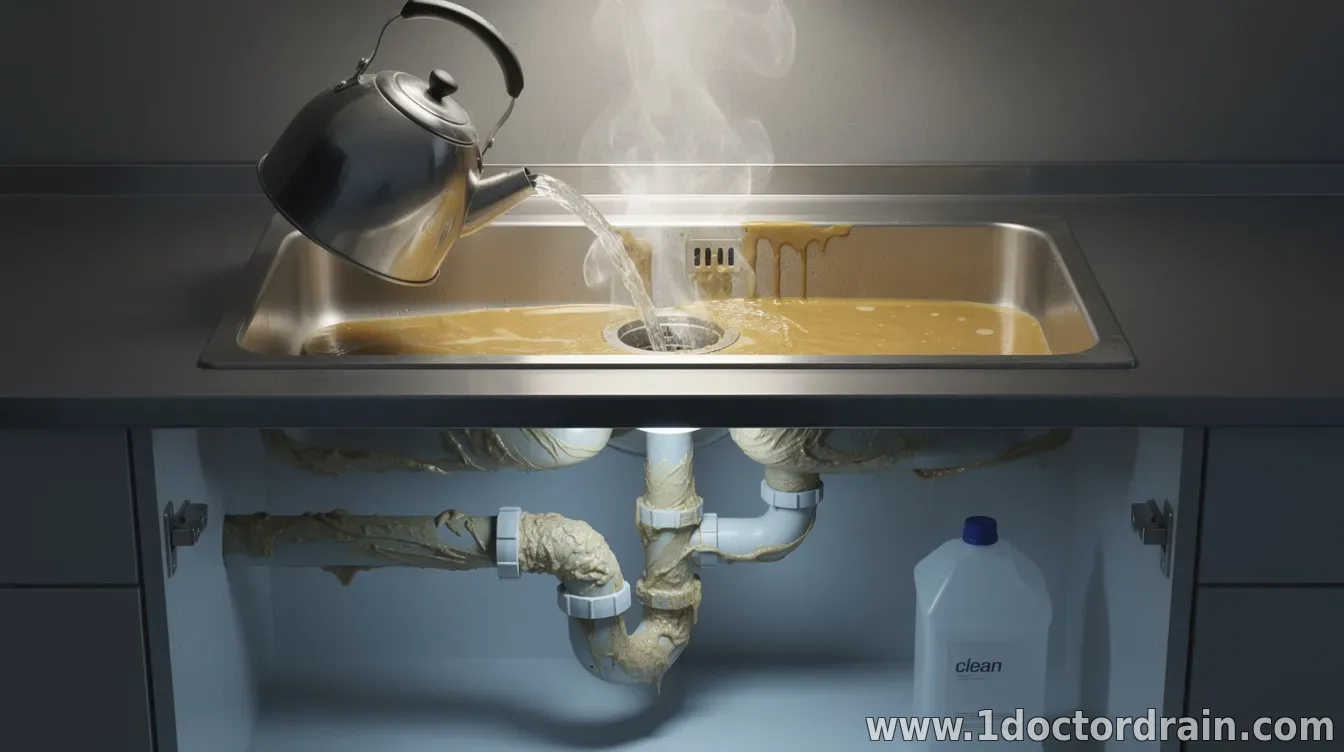
Grease from cooking can seem harmless when you pour it down the drain with hot water in hopes of flushing it away. In reality, while hot water can momentarily soften certain fats, it rarely prevents a buildup that leads to clogs in kitchen pipes and sewer lines. What hot water does and doesn’t do
Hot water can melt some fats and oils, causing them to flow more freely for a moment. However, once the water cools, the grease re-solidifies and can stick to the inner walls of pipes, combining with soap scum, food particles, and mineral deposits to form a stubborn blockage. Why grease sticks around drains
Grease and fats are hydrophobic; they don’t mix with water. As they travel through the pipe, they encounter cooler sections and cling to surfaces. Over time, these layers compound, narrowing the pipe and reducing drainage speed. Safer and more effective alternatives
Instead of relying on hot water alone, consider disposing of grease in a non-recyclable container and throwing it in the trash. For existing minor clogs, use a plunger or a plumbing snake. If you notice slow drainage or repeated clogs, it’s wise to call a plumber to inspect for deeper issues in the main line. Preventive tips for the long term
Let used cooking oil cool, then scrape and trash it. Wipe down pots and pans with paper towels before washing, use less oil in cooking, and run cold water while washing to help keep fats from sticking to pipes. Regular maintenance reduces the risk of major blockages and costly repairs.
| |
|
| |
CALL ☎ Subscribe 👆
Next & Previous posts
Related materials:

CONTACT US 📩
Submit the form, we'll contact you as soon as possible!