1:45 AM Storm drains, home maintenance, flood prevention, drain cleaning, stormwater | |
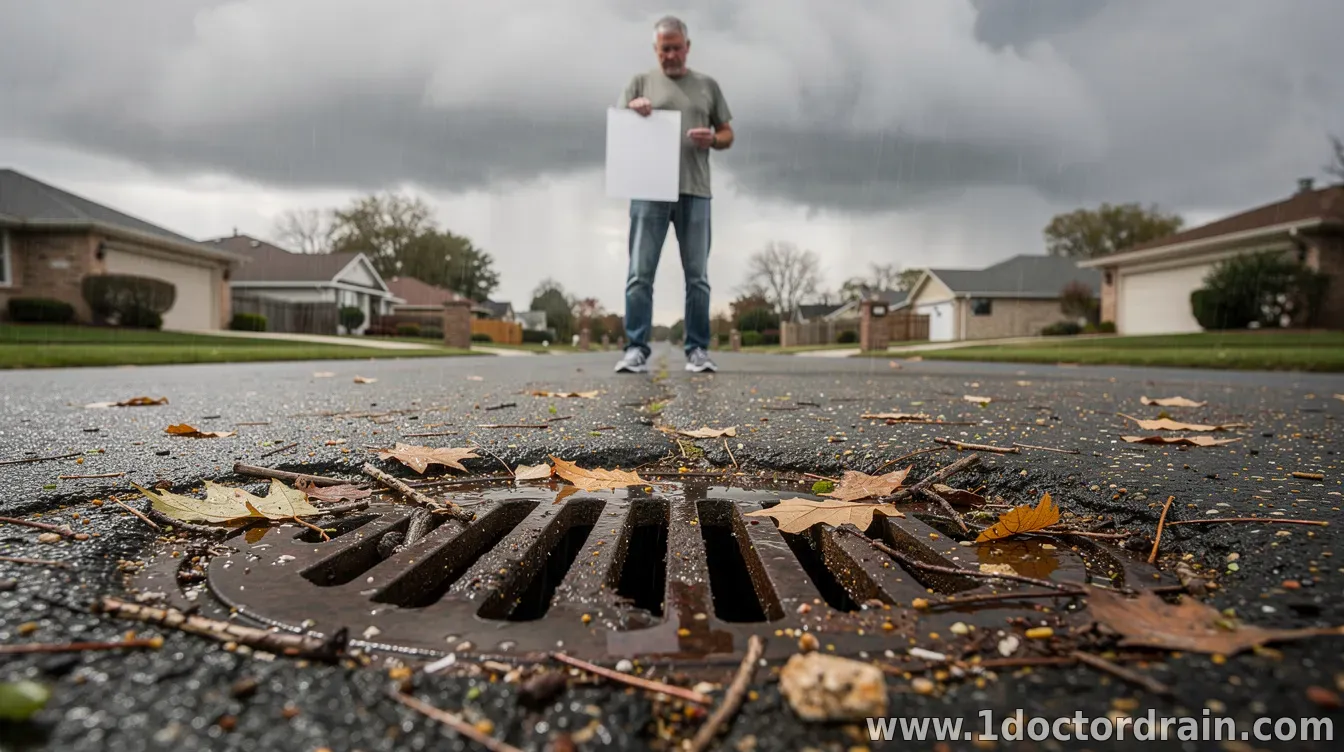
How often you should clean your storm drains depends on what’s feeding debris into the system. Leaves, twigs, trash, sediment, and even small debris from nearby construction can build up over time and reduce drainage capacity.
For many households, a good baseline is once or twice a year: typically in the fall (after leaf drop) and again in late winter to early spring (before peak runoff). If your area has frequent heavy rain or your property is surrounded by trees, you may need closer to twice, or even more during extreme seasons. Use site conditions to set your schedule
Start with your local risk factors. Storm drain clogging is rarely random—nearby sources of debris and how storms behave in your area are major drivers.
Watch for clear “it’s time” warning signs
If you notice any of the following, you don’t have to wait for the next scheduled date. These are common indicators that cleaning is overdue or partial blockages are forming:
In practice, many homeowners switch from a fixed timetable to a “schedule plus inspections” approach: clean on the annual baseline, then do a brief visual check after the worst storms or during seasons when debris loads are highest. Consider what type of drainage you have
Cleaning needs can vary depending on whether you’re dealing with a curb inlet, a catch basin, or a smaller yard drain. Curb inlets often collect leaves and surface litter and may clog quickly during fall. Catch basins can trap more sediment and organic matter, which may require more frequent clearing in areas with stormwater-heavy runoff.
If your drainage system is connected to municipal storm sewers, local guidance may also influence frequency. Some communities schedule street and inlet maintenance on a set cycle; if you’re unsure, checking your city or county’s stormwater guidance can help you align with local standards.
When cleaning, prioritize safety and avoid dumping debris into waterways. In many areas, proper disposal of storm-drain waste may be required. If the drain is heavily clogged, blocked below the grate, or requires equipment beyond basic tools, a licensed drainage contractor or municipal service may be the safer—and more effective—option.
Bottom line: aim for once or twice per year as a general rule, then adjust based on trees, rainfall patterns, and visible buildup. If you tell me your general location (or climate), whether trees overhang the inlet, and what kind of drain you have (curb inlet vs. catch basin), I can suggest a more tailored schedule.
| |
|
| |
CALL ☎ Subscribe 👆
Next & Previous posts
Related materials:

CONTACT US 📩
Submit the form, we'll contact you as soon as possible!