
1:02 AM Fall Leaves and Storm Drains: Preventing Yard Flooding | |
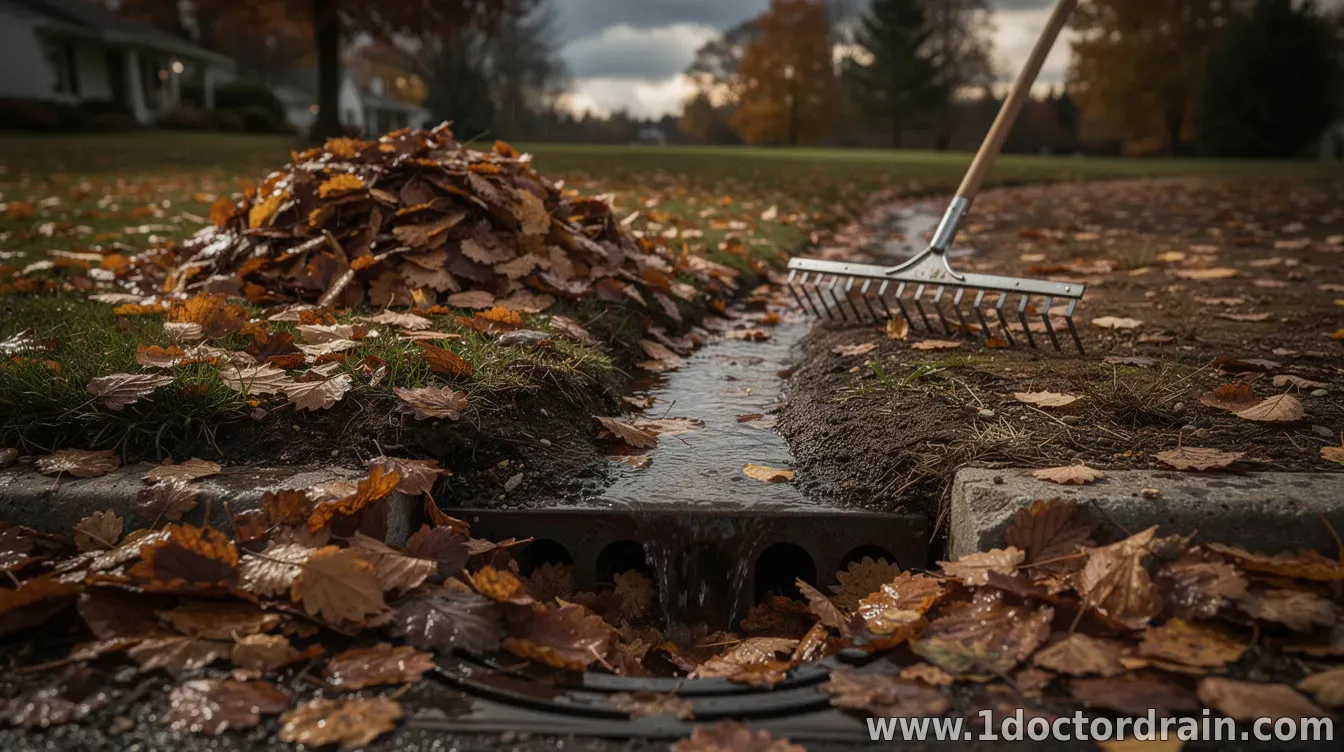
Fall brings two things that can quickly spell trouble for homes with storm-drain systems: leaf drop and frequent rain. When leaves, twigs, and yard debris collect in or near storm drains, they can slow water flow, raise local water levels, and push runoff toward driveways, basements, and low-lying yards.
Preventing that buildup is usually easier—and cheaper—than responding after water enters the home or saturates soil. With a few routine steps timed to autumn weather, homeowners can keep drainage paths clear and reduce the odds of flooding during downpours. Why yard flooding happens in autumn
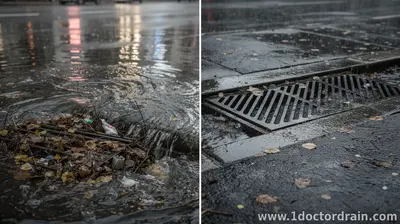
Storm drains are designed to move rainwater away from homes, but they rely on unobstructed flow. Leaves can form mats that trap additional debris, while wet conditions make piles heavier and harder to clear. Even partial blockage can redirect runoff to curb cuts, garden beds, or foundations.
Compounding the issue, some homeowners only notice drainage problems during storms, when visibility and access are limited. By then, standing water can remain long enough to damage landscaping and seep into areas where it shouldn’t. Quick steps homeowners can take
Start early in the leaf-drop season and make clearing part of your regular yard routine. Focus on the most direct contributors to clogging: leaves on driveways and sidewalks, organic debris near downspouts, and obvious buildup around drain grates.
If you use drain guards, inspect them regularly—guards can help, but they still need cleaning once they fill. Also, avoid flushing debris with high-pressure water, which can dislodge material and worsen clogs downstream. Landscaping and maintenance that reduce runoff
Beyond cleaning, homeowners can make the yard more resilient by improving how water moves through the property. Simple grading adjustments, healthier soil, and targeted planting can reduce the volume of runoff reaching drains during storms.
Where feasible, direct downspout extensions away from foundation walls and toward permeable areas like mulch beds or grass strips. If the yard is hardscaped or compacted, adding compost or aerating turf can help the ground absorb more rain. For frequently saturated areas, landscaping with native, water-tolerant plants may offer a practical buffer.
For properties with recurring drainage complaints, it may be worth reviewing the local drainage map or contacting the municipal stormwater office. In some communities, routine storm-drain maintenance schedules or seasonal curb-cleaning programs can complement homeowner efforts. When to call for help
Clear, accessible clogs are often manageable for homeowners, especially when debris buildup is visible. But if water backs up rapidly during storms, drains gurgle or overflow repeatedly, or there is evidence of foundation seepage, professional assistance may be necessary.
Signs that warrant escalation include persistent pooling after rainfall, foul odors suggesting stagnant water, or repeated backups that suggest a deeper blockage beyond the grate. A qualified contractor or municipal maintenance team can assess whether the issue is a nearby blockage, an undersized system, or a broader stormwater-flow problem.
With consistent fall maintenance—especially during heavy leaf weeks—homeowners can keep storm drains functioning as intended and help protect yards from autumn flooding.
| |
|
| |
CALL ☎ Subscribe 👆
Next & Previous posts
Related materials:

CONTACT US 📩
Submit the form, we'll contact you as soon as possible!