
2:48 AM Fall Leaf Season: How to Protect Storm Drains | |
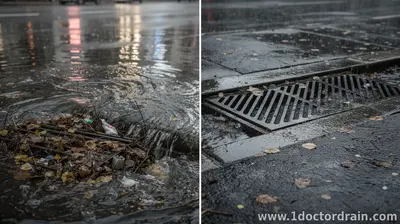
Fall leaf season brings vibrant colors, but it can also create a preventable public-safety problem: clogged storm drains. When leaves, twigs, and yard debris build up at street inlets, rainwater has fewer paths to flow through drainage systems, increasing the risk of localized flooding and water contamination.
Across many regions, storm drains are designed to move runoff quickly from streets to stormwater systems and, ultimately, creeks, rivers, or treatment facilities. However, organic debris that accumulates along curbs can carry into waterways, where it contributes to reduced water quality and habitat disruption. Why storm drains clog during autumn
Leaves tend to collect in low spots where drains sit—often near curbs, sidewalks, and driveways. Even a thin layer can trap additional debris as winds and rain continue to move material toward the inlet. Over time, buildup can slow drainage, causing ponding on roads and sidewalks and raising the likelihood of overflow during heavy storms.
Beyond the inconvenience, clogged drains can also shift runoff patterns. Water that backs up may run across properties, enter basements where applicable, or spread sediment and organic matter into stormwater channels. What residents can do right now
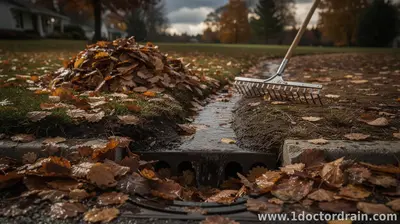
Local governments and watershed groups typically recommend focusing on debris control before it reaches the grate. The goal is to keep leaves out of the drainage system rather than trying to clear them after a storm.
For small streets and residential blocks, neighborhood coordination can make a noticeable difference—especially after windy days when leaves detach in large amounts. Best practices during and after storms
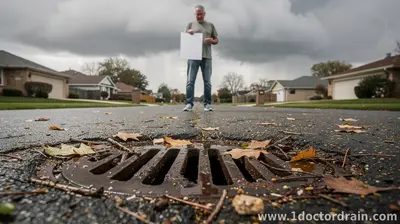
Even with prevention, some debris may still reach drains. After rainfall, residents can check for visible blockages at street inlets—taking care not to step into unsafe areas. If a drain remains clogged or water is pooling where it shouldn’t, reporting the issue to the city or public works department can help prioritize maintenance.
People should never attempt risky work near moving water or unstable ground. If drains appear to be backing up significantly, it may require professional cleaning, particularly if there are signs of erosion or repeated flooding.
For municipalities, the same seasonal pattern often drives an uptick in calls for storm-drain maintenance. Targeted street sweeping and inlet inspection schedules can reduce buildup early, before it becomes harder to remove. Protect waterways by keeping debris out
Leaves may look harmless, but once they wash into storm drains they become part of the runoff problem. Organic debris can increase nutrient loads and affect oxygen levels in receiving waters, especially during periods of low flow. Keeping storm drains clear supports both flood resilience and environmental protection.
This fall, residents can play a direct role by clearing curb areas, managing yard waste responsibly, and reporting persistent drainage issues. With a little prevention before the next big rain, communities can reduce flooding risk and keep local waterways healthier.
| |
|
| |

CALL ☎ Subscribe 👆
Next & Previous posts
Related materials:
CONTACT US 📩
Submit the form, we'll contact you as soon as possible!