3:06 AM Hydro Jetting vs. Pipe Relining: Cost and Expectations | |
When drains back up or wastewater flow slows, two common solutions come up quickly: hydro jetting (high-pressure water cleaning) and pipe relining (a trenchless liner installed inside existing pipes). The right choice depends on the pipe condition—and the cost varies as much with what’s being fixed as with where you live.
In most markets, hydro jetting is often priced as a shorter, more “targeted” service, while pipe relining is typically a more comprehensive rehabilitation method. That difference usually shows up in both the upfront estimate and the expected long-term outcome. What usually determines hydro jetting cost
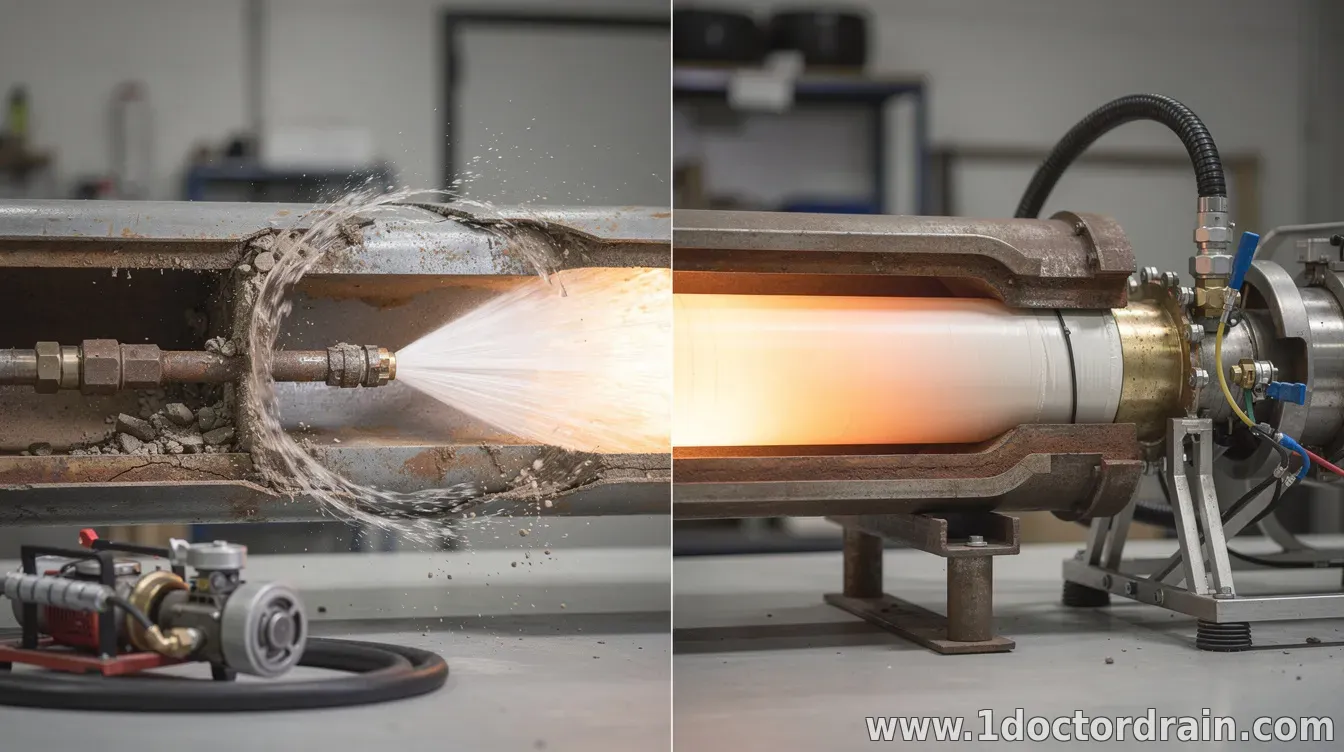
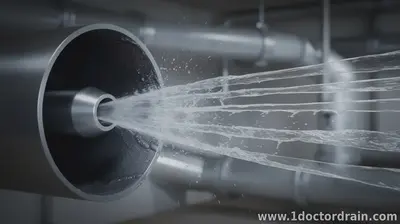
Hydro jetting generally involves sending a jetter nozzle through the pipe and using pressure to remove grease, scale, mineral buildup, and some types of soft blockages. Typical pricing factors include pipe diameter, length of run, how difficult the access is, and the severity/location of buildup.
Because hydro jetting focuses on cleaning, providers may quote based on the scope of the blockage and whether a camera inspection is needed first. If the pipe is already heavily compromised (cracks, collapsed sections), jetting alone may not solve the underlying issue and could be recommended only as a preliminary step. What usually determines pipe relining cost
Pipe relining aims to restore the inside of damaged pipes by installing a liner that cures in place, creating a new inner surface. Relining costs are commonly driven by pipe size, distance to be lined, the liner system used, and the level of preparation required (including whether spot repairs or complete segment replacement is needed).
Relining also tends to include diagnostic steps like internal camera inspection and documentation of pipe condition. If the pipe requires cleaning to support adhesion, hydro jetting may be included—sometimes as part of the relining workflow, not as a separate “either/or” decision. Cost expectations: typical differences homeowners should plan for
While exact prices vary widely by region and contractor, hydro jetting is commonly less expensive per visit than relining because it’s usually a single-service cleaning job. Relining often costs more up front because it functions as a longer-term repair method, designed to address deterioration and select defects rather than only clearing obstructions.
Homeowners should also plan for “real-world” variables that can change the final bill: line access constraints, root intrusion severity, multiple affected branches, additional cleaning requirements, permit or utility coordination in some jurisdictions, and whether additional segments must be lined after inspection. Timeline: how long each option typically takes
Hydro jetting is often faster to complete—particularly when the job is limited to cleaning one or a few sections. In many cases, crews can mobilize, inspect if needed, run the jetter, and perform a final check in a relatively short window, depending on line length and obstruction complexity.
Pipe relining typically takes longer because it involves inspection, pipe cleaning/prep, installation of the liner, and curing time. The overall disruption can still be lower than open excavation because relining is commonly trenchless, but the process and scheduling tend to be more involved. What results to expect (and when one method may fall short)
Hydro jetting is most effective when the pipe problem is primarily build-up or removable obstructions, such as grease and scale. If the cause is structural damage—cracks, infiltration points, or collapsed sections—hydro jetting may temporarily improve flow but won’t permanently restore the pipe.
Pipe relining is generally chosen when the pipe condition indicates that cleaning alone won’t address deterioration. It can improve flow by restoring the interior surface, but results depend on proper preparation and liner suitability for the pipe material and defect type. If access or obstructions are severe, contractors may recommend staged work (clean first, reline second) to ensure the liner performs as designed. Questions to ask before you hire
To avoid surprises, request a clear scope and line-by-line estimate. Consider asking: whether a camera inspection is included, what the quote covers (inspection, cleaning, liner installation, restoration), expected duration on-site, and what happens if additional segments are found to be damaged during inspection.
Also ask about materials and warranties. For relining, confirm the liner type, curing method, and performance expectations based on the pipe’s condition. For hydro jetting, ask whether the contractor will verify the cleaning results with a follow-up inspection. Bottom line
Hydro jetting often offers a lower-cost, faster path when the main issue is blockage or buildup. Pipe relining typically costs more initially but can provide a longer-term fix for damaged pipes by creating a new interior barrier. The best “cost” is usually the one that matches the pipe’s actual condition—so an internal camera inspection is frequently the key step in choosing confidently.
| |
|
| |
CALL ☎ Subscribe 👆
Next & Previous posts
Related materials:
CONTACT US 📩
Submit the form, we'll contact you as soon as possible!