1:21 AM How to Prevent Grease Buildup in Kitchen Pipes | |
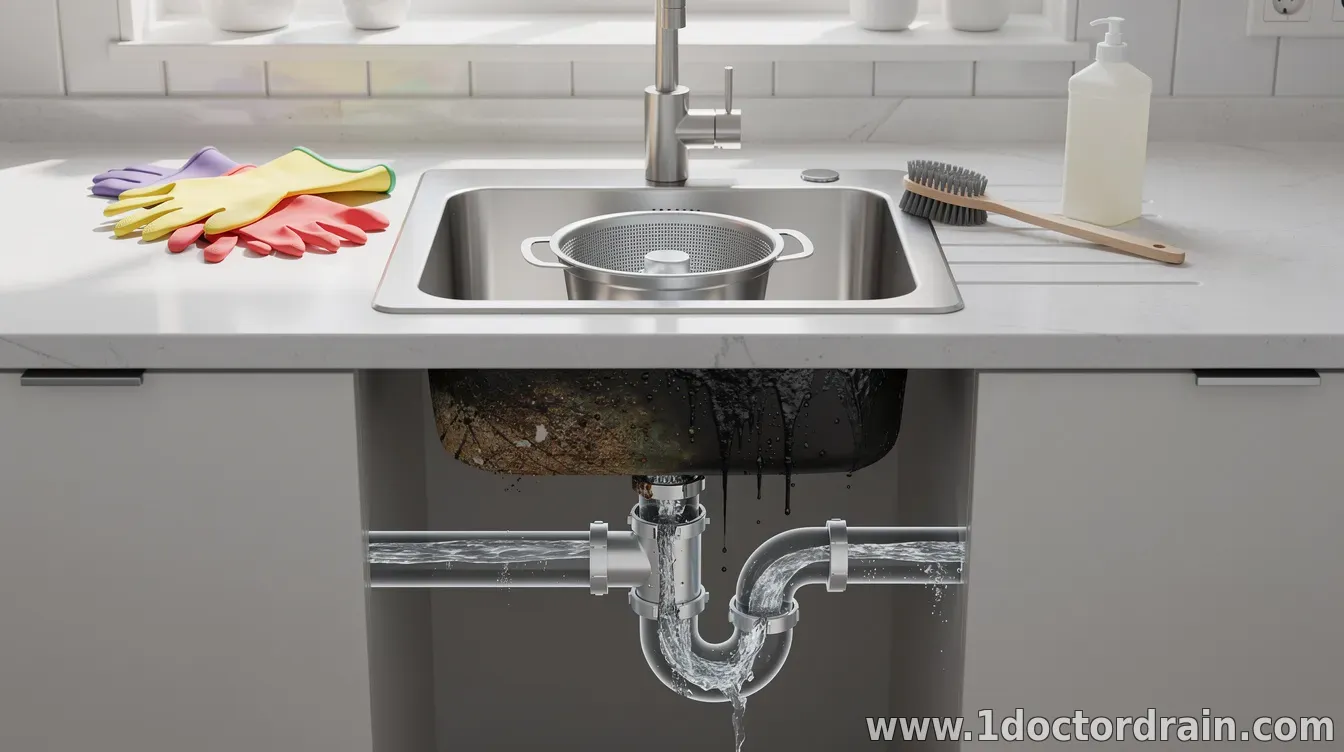
Grease buildup in kitchen pipes usually starts small—fat and oils that look harmless after cooking can cool and solidify inside drains and plumbing bends. Over time, that residue traps food particles and other debris, leading to slow drainage, lingering smells, and eventually stubborn blockages. The good news: you can prevent most grease-related problems with consistent, practical habits.
1) Avoid sending grease down the drain
When possible, keep fats out of the plumbing entirely. Wipe pots, pans, and utensils with paper towels or a scraper before washing, and dispose of that waste in the trash (or a suitable compost system, if local rules allow). For cookware with oil or rendered fat, let it cool, then pour it into a container for proper disposal rather than rinsing it directly into the sink. 2) Use hot water the right way
Warm-to-hot water can help keep residue from sticking, but temperature alone doesn’t “undo” repeated grease disposal. Run hot water for 20–30 seconds after washing greasy cookware, especially when you’ve just rinsed oil-based residue. If your sink drains very slowly, avoid repeatedly flushing large amounts of hot water—address the cause to prevent worse backups.
3) Establish a simple routine cleaning schedule
Instead of waiting until there’s a clog, create a preventive routine. Once a week, pour a small amount of hot, not boiling water down the drain after normal use. Many households also benefit from periodic maintenance cleaning (see next sections) to remove buildup before it hardens. 4) Consider preventive drain treatments (safely)
If you use chemical drain cleaners, do so cautiously and only according to the label—mixing products can be dangerous and can damage pipes. For regular maintenance, many homeowners prefer safer alternatives such as enzymatic drain cleaners designed to break down organic buildup gradually. These are typically gentler on plumbing and work best when used consistently.
For a home-friendly approach, a common method is to use a combination of warm water and a maintenance-focused cleaner at intervals (for example, monthly), then follow with hot water once the product has had time to work. Always verify compatibility with your plumbing type and follow directions closely.
5) Clear small debris early
Grease accumulates faster when other solids are present. Use a sink strainer to catch food scraps, and empty it regularly. When washing dishes, avoid letting large food particles slide into the drain. For garbage disposals, run cold water while it operates and use only small, manageable amounts of scraps—never grind grease-heavy waste.
6) Spot warning signs before a clog forms
Watch for early indicators such as a persistent odor, gurgling sounds, water draining noticeably slower than usual, or residue buildup near drain openings. Addressing these signs quickly—before grease fully solidifies—can prevent expensive plumbing interventions.
7) When to call a plumber
If you notice repeated backups, sewage odors that don’t improve with maintenance, or water rising in other fixtures, professional help may be necessary. A plumber can inspect pipe runs, remove accumulated grease safely, and check for underlying issues like damaged venting or partially blocked lines that routine cleaning can’t resolve.
By keeping fats and oils out of the drain, using hot water strategically, maintaining a regular cleaning routine, and responding quickly to early symptoms, you can significantly reduce grease buildup in kitchen pipes and keep your home’s plumbing running smoothly.
| |
|
| |
CALL ☎ Subscribe 👆
Next & Previous posts
Related materials:

CONTACT US 📩
Submit the form, we'll contact you as soon as possible!