1:04 AM Commercial Kitchen Drain Maintenance: Owner’s Guide | |
Commercial kitchen drain problems rarely start with a catastrophic clog. More often, they begin with slow accumulation of grease, food particles, and other debris that hardens over time—leading to backups, foul odors, and potential sanitation or compliance issues.
This guide provides restaurant owners with an actionable maintenance approach, emphasizing prevention, documentation, and coordination with licensed cleaning services when needed. Know what’s actually causing drain failures
In most restaurants, the biggest drivers of drain issues are grease buildup, starches, food solids, and improper disposal habits. Fats and oils can solidify inside pipes, reducing flow and creating sticky surfaces where debris collects. Over time, that buildup can restrict drains, trigger unpleasant odors, and increase the likelihood of overflow during peak service. Build a simple routine: daily, weekly, and monthly checks
Consistency matters more than complex systems. Establish short, repeatable tasks that align with your kitchen’s workflow:
Where available, follow manufacturer recommendations for specific equipment connected to drains (dishwashers, pre-rinse units, or floor drains). Grease interception is the cornerstone
Most kitchen drainage issues improve when grease interception and handling are managed correctly. Ensure your grease trap or grease interceptor is sized appropriately for your operation and maintained on a schedule based on use, not just calendar dates. If your kitchen sees heavy frying, frequent batch cooking, or high-volume dishwashing, you may need more frequent service.
When cleaning is required, it should be done by qualified professionals using proper disposal methods. Using makeshift “hot water to melt grease” tactics or attempting to flush solids through can worsen buildup and shift contamination downstream. Prevent solids from becoming future clogs
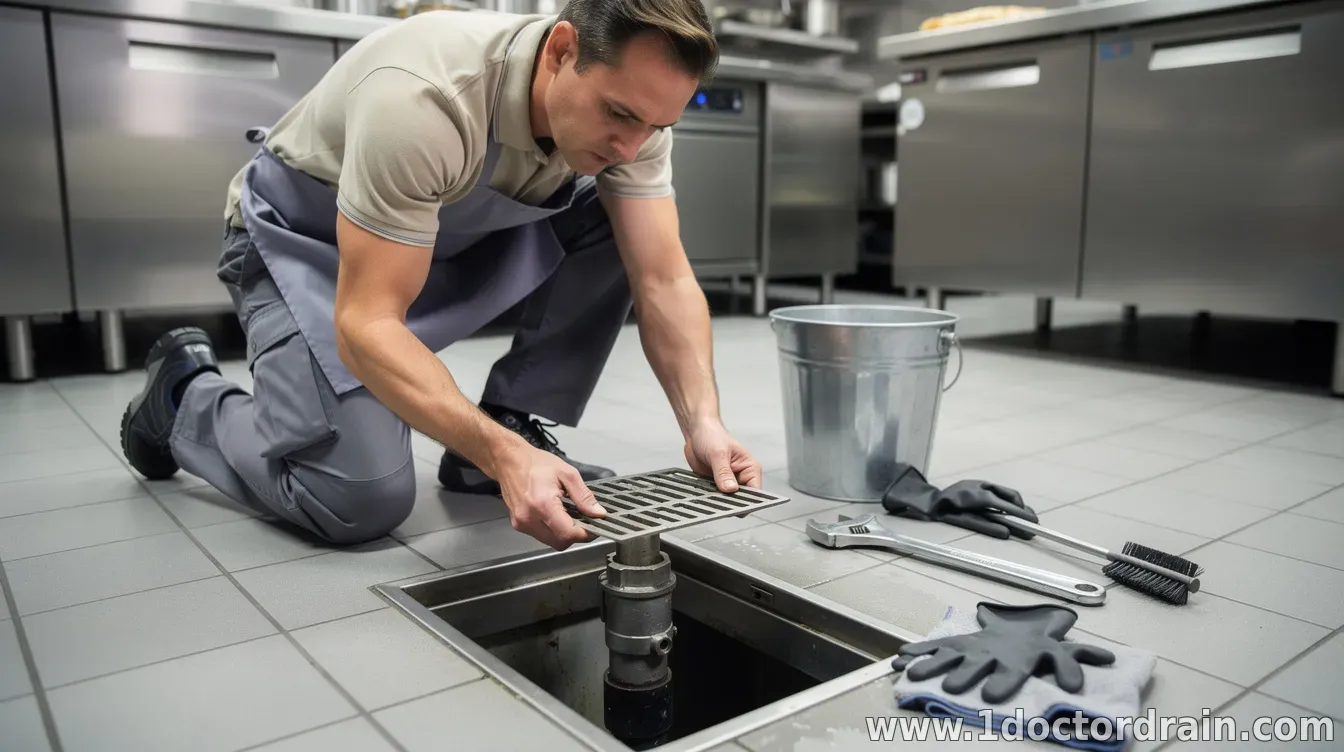
One of the most effective steps is controlling what enters the system. Require staff to scrape plates, drain excess liquids before rinsing, and empty food waste into appropriate bins rather than into sinks. Use and maintain strainers on hand sinks and prep sinks, and ensure back-of-house floor drains are covered when practical to reduce debris inflow.
Pay attention to high-risk areas such as dish room pre-rinse sinks, mop sink connections, and prep sinks near thawing or batter stations—these zones often generate the most solids and starch loads. Use cleaning chemistry carefully—and only as directed
Not all drain treatments are equal, and some can damage fixtures or conflict with grease interceptor operations. If you use enzymatic or bacterial products, deploy them according to label instructions and verify compatibility with your grease trap/interceptor design. Avoid “power washing” or aggressive chemical dumping that can break down only the top layer of residue while leaving deposits that later re-cement.
For any chemical product, confirm storage, labeling, and staff training to reduce safety risks. Keep Safety Data Sheets (SDS) on file and ensure chemicals are dispensed responsibly, not ad hoc. Train staff and document everything
Even the best maintenance plan fails if daily habits don’t change. Use brief onboarding and shift refreshers to reinforce correct disposal practices—especially around grease, starch-heavy foods, and pre-rinse procedures. A simple training checklist can include: scraping before rinsing, keeping strainers in place, reporting slow drains early, and never disposing of fryer oil or large solids via sink drains.
Documentation helps you spot problems early. Keep service records for grease trap cleaning, notes on backups, odor complaints, and any plumber or cleaning contractor visits. Trends in the log often reveal whether the issue is operational (habits, volume, equipment settings) or mechanical (pipe slope, damaged sections, venting problems). When to call a professional
Call qualified drain and sanitation professionals when you notice recurring backups, persistent odors, standing water, frequent slow drains during peak service, or suspected blockages beyond visible interceptors. If your kitchen’s drainage changes suddenly—such as after a menu shift to heavier fry items or after equipment changes—it may be a sign that your interception and cleaning schedule needs adjustment.
For owners, the goal is to minimize downtime and protect food safety. A proactive maintenance schedule typically costs less than emergency interventions and potential health or compliance disruptions.
With routine checks, grease interception discipline, solids prevention, safe chemical use, and clear staff training, restaurant owners can keep kitchen drains flowing and reduce the risk of costly interruptions.
| |
|
| |
CALL ☎ Subscribe 👆
Next & Previous posts
Related materials:

CONTACT US 📩
Submit the form, we'll contact you as soon as possible!