2:37 AM Causes of a Clogged Drain and Easy Prevention Tips | |
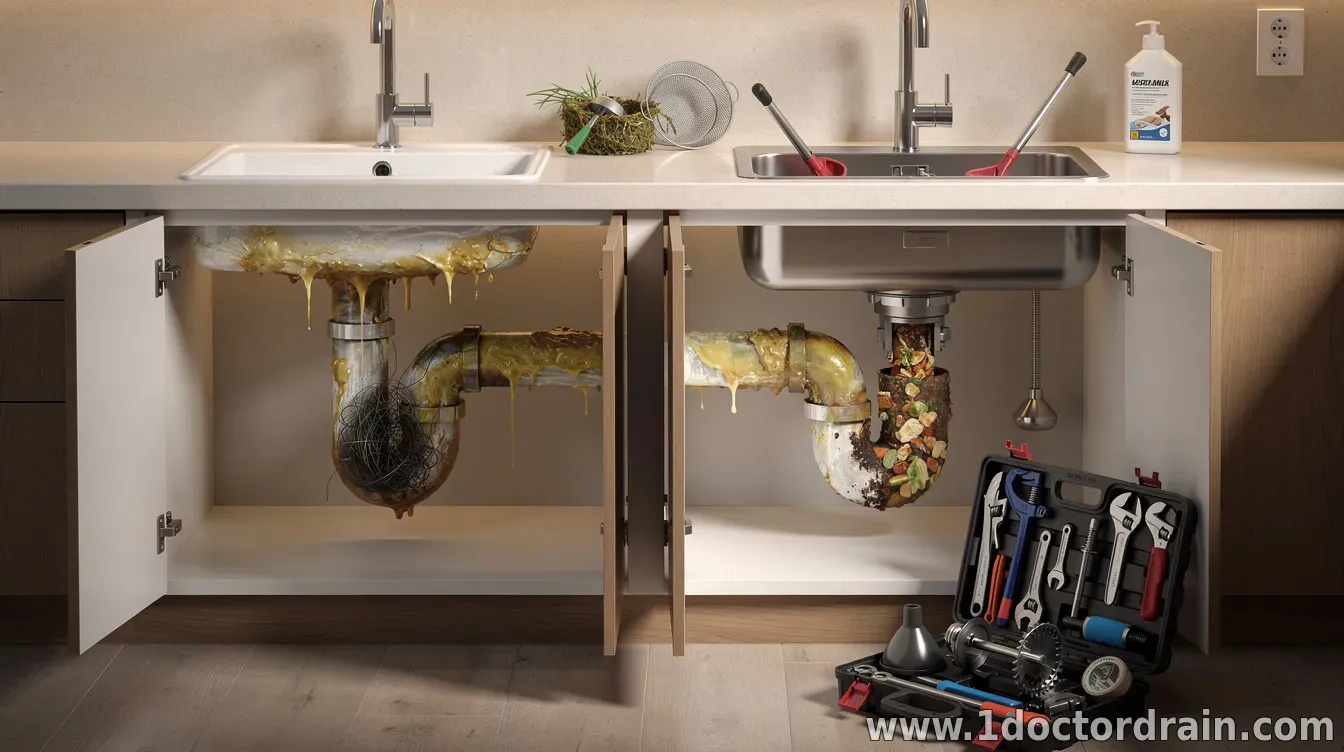
Clogged drains happen when materials accumulate faster than your pipes can handle them. The most common culprits are hair and soap in bathroom sinks and shower drains, along with grease and cooking fats in kitchen lines. Over time, these materials form a sticky, solid mass that narrows the pipe and slows drainage.
Hair and soap scum are relentless buildup culprits in bathroom drains. Hair strands trap soap scum and mineral deposits, creating a stubborn plug. In kitchens, grease mixes with food scraps and starchy residues, coating the inside of pipes and catching other debris.
Mineral buildup and other debris from hard water can also cause gradual narrowing. Small particles like coffee grounds, fruit peels, baby wipes, and wipes marketed as “flushable” can contribute to clogs, especially when flushed or disposed of in sinks. Prevention: practical steps to keep drains clear
Implement a simple routine to keep drains flowing smoothly. Use a drain strainer to catch hair and food particles, and empty it regularly. Run hot water down kitchen and bathroom drains after use to dissolve oils and soap residue. Periodically flush drains with a mixture of baking soda and boiling water or use enzyme-based cleaners designed for organic buildup.
Be mindful of what goes into toilets and drains. Avoid flushing wipes, sanitary products, and non-degradable items. In homes with older pipes or tree-lined yards, consider periodic professional inspections to catch root intrusion before it becomes a major clog.
For persistent slow drains, avoid harsh chemical drain cleaners which can damage pipes. Instead, try a plunger on drains and, if necessary, a plumber’s recommended auger or professional snaking service. Regular maintenance can save money and prevent sewer backups.
In short, most clogs arise from everyday habits.
| |
|
| |
CALL ☎ Subscribe 👆
Next & Previous posts
Related materials:

CONTACT US 📩
Submit the form, we'll contact you as soon as possible!