3:49 AM How to Handle a Slow Drain or Blockage: Options | |
A slow drain or a sudden blockage is one of the most common household plumbing issues—and one of the easiest to make worse if the wrong tools or chemicals are used. While minor clogs can often be cleared with basic methods, persistent backups can signal deeper issues such as pipe blockage, collapsed lines, or venting problems that require professional diagnosis.
When you first notice slow drainage, the goal is to identify the pattern: does it affect one fixture (like a bathroom sink) or multiple drains (like showers and toilets)? Does water back up after only one use, or does it worsen gradually? These clues help determine whether you should try a safe DIY approach or escalate to a plumbing service quickly. Common causes of slow drains and complete blockages
Many blockages come from everyday buildup. In kitchens, grease and food residue can combine with soap scum and mineral deposits to narrow pipes over time. Bathrooms are frequently affected by hair, toothpaste, and mineral-rich grime. Other culprits include sanitary wipes, paper products, or accidental items that accidentally enter drains and form a hard obstruction. Immediate steps you can take (safely)
Before using any cleaning agents, try these first steps. Avoid pouring harsh chemicals repeatedly, especially if you suspect the clog is near a fixture, because products can react with each other or damage older pipes. Instead:
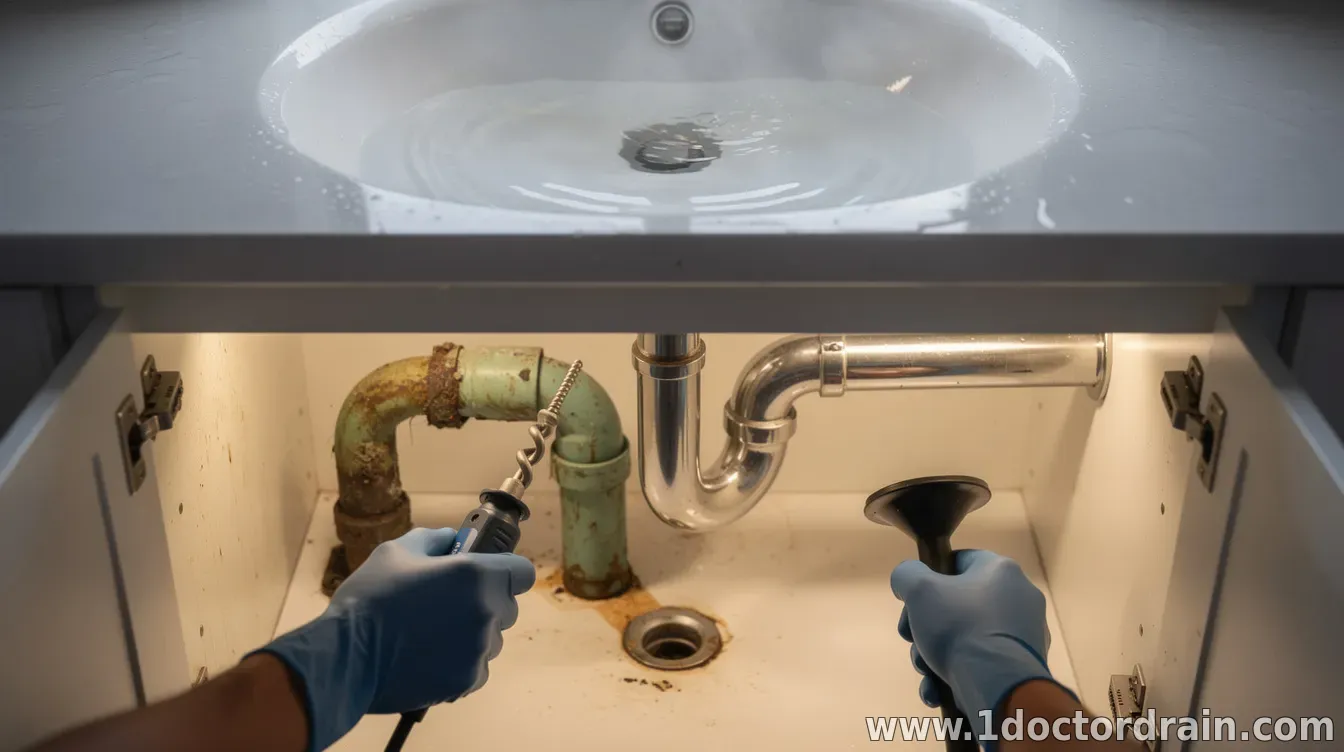
If the clog remains, a handheld drain snake or small auger (for accessible runs) can help remove hair and debris in many sink and bathtub scenarios. Work slowly and stop if you meet resistance that suggests the presence of a deeper blockage. When to call a professional plumbing service
Some situations are signs you should not keep troubleshooting yourself. Contact a licensed plumber if the blockage is complete and does not clear after basic methods, if multiple drains are backing up, or if you notice recurring clogs in the same area. These symptoms can indicate a main-line obstruction, venting failure, or an internal pipe problem that requires specialized tools.
Professional services also matter when there’s risk of property damage. Backups can overflow into cabinets, soak flooring, or lead to mold if standing water remains. Early intervention is often the most cost-effective approach, especially for issues that affect bathrooms or kitchens with frequent use. What to expect from a plumber
A quality plumbing team typically starts with inspection, often using cameras to view the inside of pipes. This approach helps pinpoint the location and type of blockage—whether it’s a compacted debris plug, grease buildup, tree-root intrusion, or a section of pipe that has shifted or collapsed.
Depending on findings, common solutions may include mechanical snaking/jetting to remove obstructions, targeted cleaning of accessible lines, or repairs/replacement if damage is detected. If the issue involves sewer or main lines, plumbers may recommend inspection beyond the visible drain to prevent repeat backups. How to reduce the chances of repeat clogs
Prevention is usually easier than removal. Use sink strainers to catch hair, food particles, and other debris. Avoid flushing items that don’t belong in plumbing, and reduce grease buildup by disposing of cooking fats properly and wiping residues before washing dishes. In hard-water areas, periodic maintenance can also help limit mineral buildup.
For homeowners who prefer proactive care, many plumbing services offer routine drain and line inspections or maintenance plans. These can identify early narrowing, slow-draining sections, or venting issues before a complete blockage occurs.
If you’re dealing with a slow drain or complete blockage right now, start with safe checks and stop if symptoms point to a deeper line issue. Then choose a reputable, licensed plumbing service that can diagnose with proper inspection and apply the least invasive solution to restore flow.
| |
|
| |
CALL ☎ Subscribe 👆
Next & Previous posts
Related materials:

CONTACT US 📩
Submit the form, we'll contact you as soon as possible!