1:42 AM Hydro Jetting: A Deep-Clean, Eco-Friendly Way to Clear Pipes | |
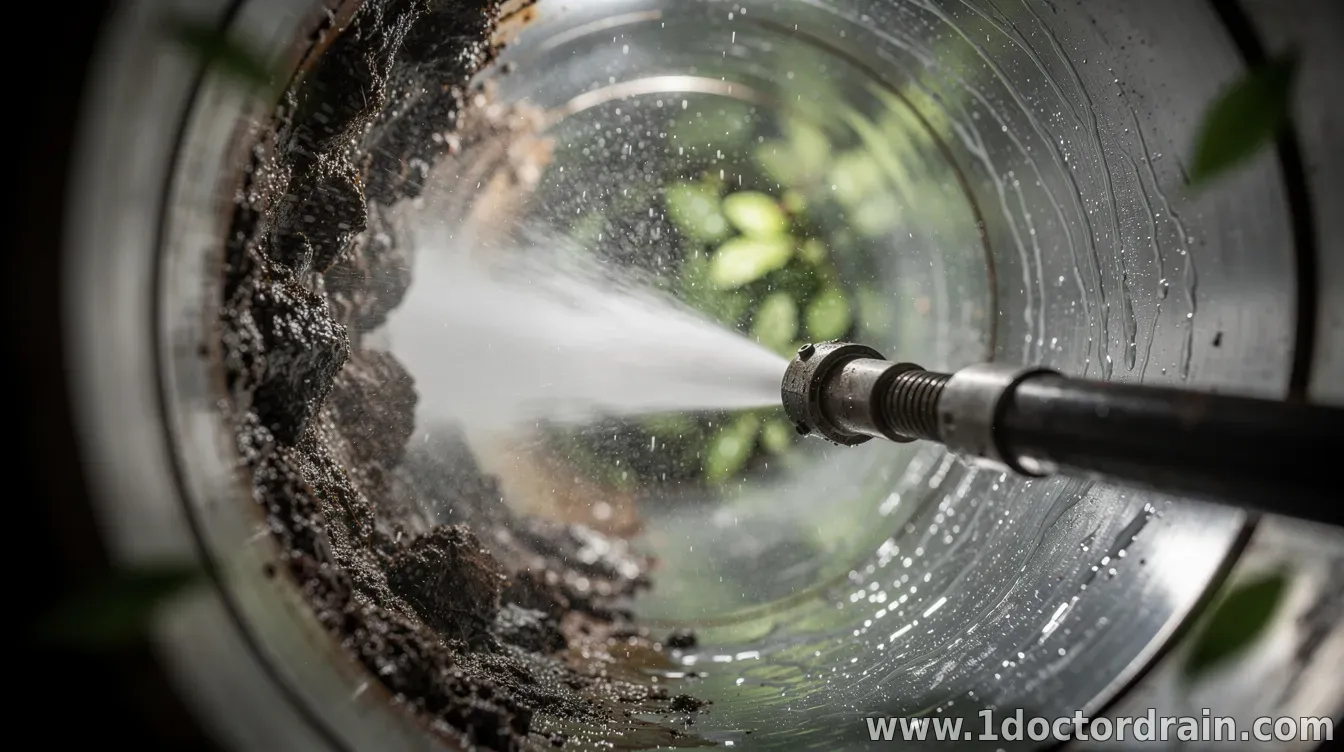
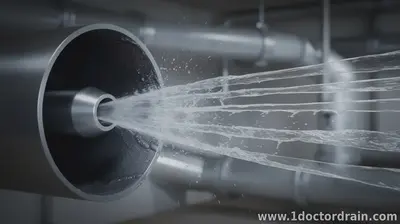
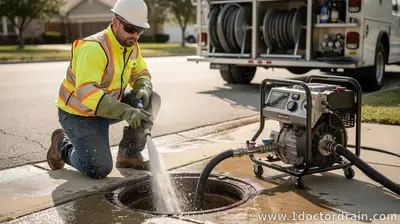
Hydro jetting has become a go-to option for clearing stubborn clogs and restoring pipe flow when simpler methods fall short. Using high-pressure water streams, the process can break up blockages and wash away accumulated material along the inside of sewer lines, drains, and other plumbing systems.
What sets hydro jetting apart is its ability to perform more than a temporary fix. Instead of only removing the immediate blockage, the high-volume rinse can help scour the pipe walls to reduce the buildup that often leads to repeat issues. How hydro jetting works
A trained technician inserts a specialized nozzle into the affected line. The nozzle then delivers a pressurized stream designed to scour the pipe interior. Depending on the job, operators may adjust the pressure and nozzle type to match the material, pipe diameter, and nature of the obstruction.
Because the cleaning is driven by water pressure, hydro jetting can reduce the reliance on chemical drain treatments. Many operators also combine hydro jetting with camera inspections to pinpoint the cause of the clog and verify results afterward. Common uses for tough clogs
Hydro jetting is frequently used when clogs involve substances that are difficult to dissolve or remove with standard tools, such as grease, scale, mineral deposits, and certain types of buildup. It’s also used for routine maintenance in facilities that generate high volumes of wastewater, helping keep lines running smoothly.
For homeowners, it can be relevant when recurring backups occur, or when a drain is slow and standard methods don’t fully resolve the problem. For commercial sites, it can support long-term reliability by addressing buildup that narrows flow over time. Why it’s considered more environmentally friendly
Hydro jetting is often described as environmentally friendly because it can clean using pressurized water rather than chemical additives. While a professional service still produces wastewater that must be handled properly, reducing chemical usage is a key part of its appeal.
In practice, the environmental benefits also depend on how the job is managed—such as safe disposal procedures and the use of best practices to avoid spreading debris. What to expect during a professional service
A typical hydro jetting process starts with an assessment—often including inspection via drain camera—to confirm the location and cause of the blockage. The technician then selects appropriate nozzle equipment and operating pressure to match the pipe condition and the type of clog.
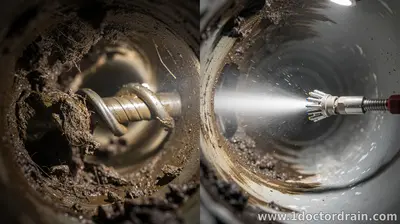
After the cleaning, many providers re-inspect the line to confirm that water is flowing freely and that the interior is clear. The overall timeline can vary based on system size, severity of buildup, and access considerations.
Because pressurized cleaning is equipment-intensive, hydro jetting is generally best handled by qualified professionals who can evaluate pipe condition and apply the correct approach. When done properly, it can deliver a deep clean that helps restore performance and reduce the likelihood of future clogs.
| |
|
| |
CALL ☎ Subscribe 👆
Next & Previous posts
Related materials:
CONTACT US 📩
Submit the form, we'll contact you as soon as possible!