4:00 AM What to Expect During a Hydro Jetting Appointment | |
A hydro jetting appointment is designed to clear built-up debris—like grease, scale, and mineral deposits—from drain lines or sewer pipes using high-pressure water. If you’ve scheduled the service, it helps to know what happens before, during, and after the appointment so you can plan and avoid surprises.
1) Arrival, assessment, and line inspection
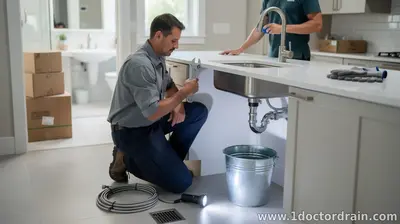
Technicians typically begin by reviewing the symptoms that led to the appointment—slow drains, repeated clogs, foul odors, or recurring backups. Depending on the situation and local practice, they may also inspect the plumbing using a camera to locate the blockage, measure distance, and confirm the pipe’s condition.
2) Preparation and safety steps
Before jetting starts, the work area is secured. If the service involves sewer lines, the crew may protect the surrounding space and set up equipment connected to the cleanout or access point. Homeowners may be asked to limit water use briefly and keep certain fixtures closed off, depending on the plumbing setup.
3) Equipment setup and access through cleanouts
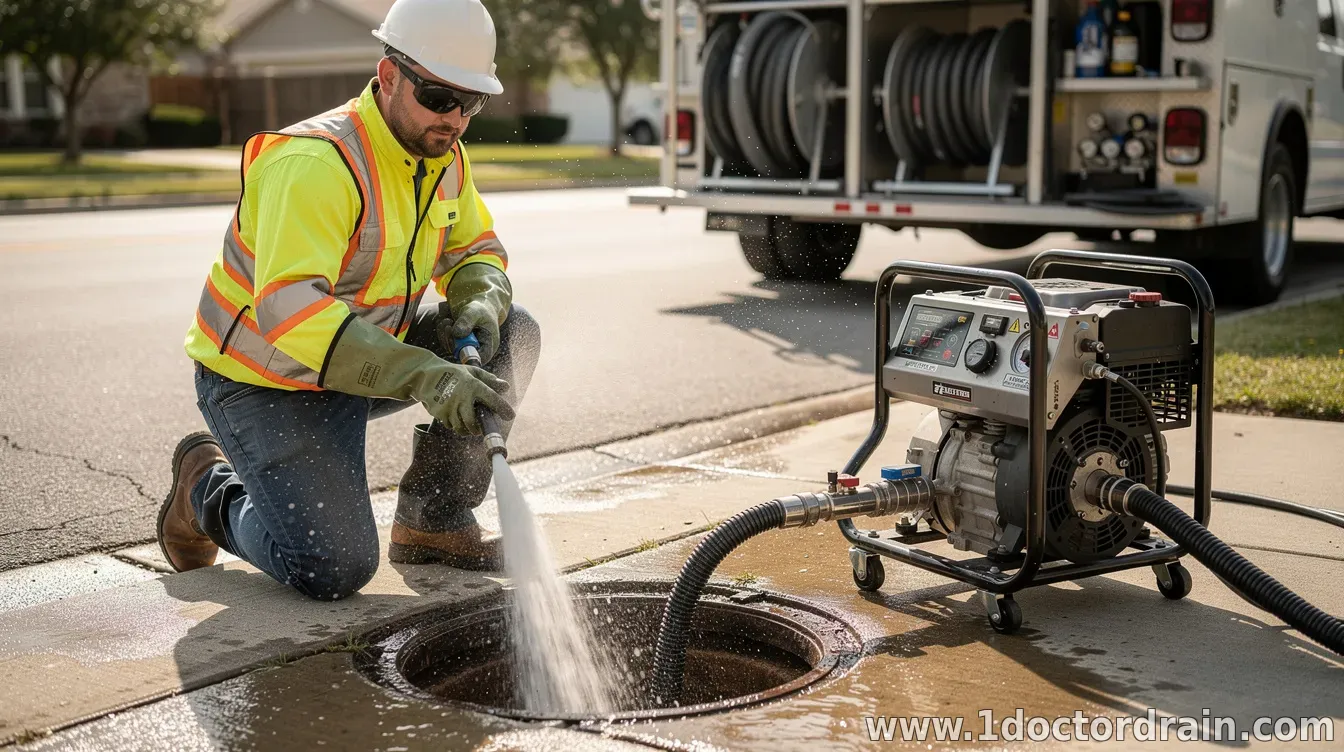
Hydro jetting uses specialized hoses and nozzles that travel through the pipe from a cleanout. After connecting the system to the access point, the operator selects a nozzle and pressure settings appropriate for the pipe size and the type of buildup. The goal is to clean effectively without putting unnecessary stress on older or compromised sections.
4) The jetting process
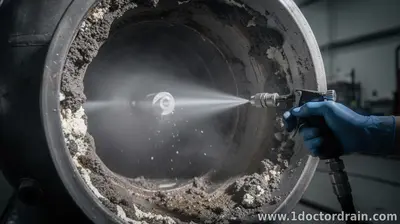
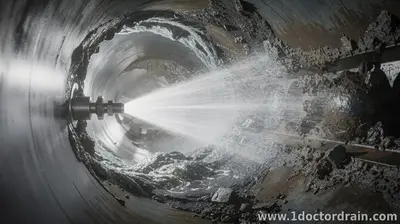
Once the line is fully accessed, the technician runs water at high pressure through the hose and nozzle. Water scours the inside walls to remove deposits and flush loosened material out of the line. In many cases, the operator works systematically, monitoring the process to confirm the obstruction is clearing and that flow is normal.
5) Monitoring results and confirming clearance
During or after jetting, the technician will typically assess outcomes—such as improved drainage, reduced backup risk, and proper flow through the system. If camera inspection is part of your service, they may re-check the line afterward to document the condition and cleanliness.
6) Discharge management and cleanup
Cleared material is carried away through the normal drainage pathway. A reputable crew will manage discharges and clean up the access area, hoses, and surrounding surfaces. You may notice short-term changes like better flow from drains, but the technician should also explain any temporary conditions that might occur.
7) Post-appointment tips and follow-up
After hydro jetting, it’s common to receive practical guidance—such as avoiding heavy use for a short window, not flushing non-debris items, and using drain-friendly habits to reduce re-accumulation. If your appointment revealed damage, cracked pipe, or recurring buildup patterns, the technician may recommend repairs or a preventive maintenance plan.
Knowing the steps in advance can make the appointment feel straightforward. If you’d like, share whether this is for a kitchen sink, bathroom drains, or a main sewer line—then we can outline what to expect for that specific scenario.
| |
|
| |
CALL ☎ Subscribe 👆
Next & Previous posts
Related materials:
CONTACT US 📩
Submit the form, we'll contact you as soon as possible!