1:17 AM Septic vs. Sewer: How Drain Maintenance Differs | |
Home drain maintenance isn’t one-size-fits-all. The system that serves your property—either a municipal sewer line or a private septic system—affects how wastewater is handled, what causes clogs, and how often you should take proactive steps.
Understanding the differences can help you prevent slow drains, odors, and backups before they become emergencies. What a sewer system does
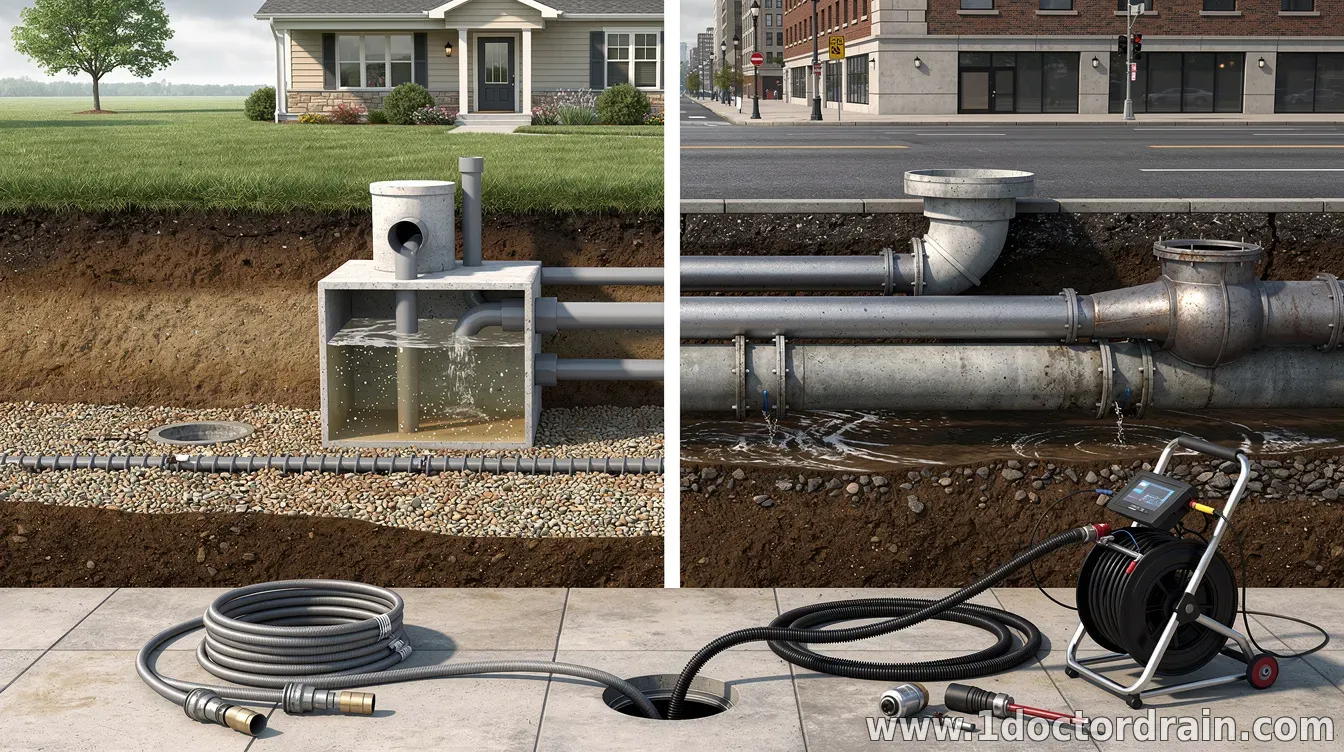
With a sewer system, wastewater from your sinks, toilets, and drains typically flows through household plumbing into a public sewer main and then to a treatment facility. Because the treatment is centralized, many day-to-day issues are localized to your home’s internal plumbing or the connection between your property and the street main.
Common indoor symptoms—such as gurgling sounds, slow toilet drains, or backups—often point to restrictions in the home drain lines, the cleanout, or the service lateral. What a septic system does
A septic system treats wastewater on-site. Solids settle in a septic tank, while partially treated liquid exits the tank to a drain field (also called a leach field) through perforated pipes. Over time, biological processes break down waste, but only if the system is used and maintained correctly.
Because treatment and disposal occur underground, problems may appear as drain field odors, soggy patches in the yard, unusually slow drainage, or recurring backups after heavy water use. How maintenance priorities differ
Both systems benefit from good household habits—keeping grease, wipes, and debris out of drains—but septic requires extra attention to protecting the tank and drain field. In many cases, actions that are “minor inconveniences” for sewer users can accelerate septic issues by overloading the system or disrupting biological balance.
Drain maintenance checklists (sewer vs. septic)
For sewer-connected homes, drain maintenance usually focuses on keeping internal plumbing clear and ensuring the property’s service connection remains unobstructed.
For septic properties, drain maintenance extends beyond indoor plumbing to regular tank inspections and careful stewardship of the drain field.
Warning signs that your system needs attention
Some indicators overlap, but their meaning can differ depending on whether you’re on septic or sewer.
Slow drains and recurring backups can signal blockages in either system. However, sewer issues may stem from line obstructions outside the home, while septic issues frequently involve tank capacity or drain field performance.
Odors are another clue: persistent sewage smells indoors or in the yard can suggest leaks, venting problems, or—on septic systems—drain field distress. When to call a professional
If you’re dealing with repeated clogs, persistent gurgling, or any sign of sewage release, it’s usually worth involving a plumber or septic professional rather than continuing to “clear” drains repeatedly. For septic systems, professionals can measure tank levels, assess sludge accumulation, and evaluate whether the drain field is coping with current usage.
In sewer-connected homes, a licensed plumber can inspect cleanouts, run appropriate diagnostics, and determine whether the blockage is internal plumbing or related to the service line. Bottom line
Yes—whether you have septic or sewer changes how you maintain your drains. Sewer systems mainly require strong indoor plumbing upkeep and quick responses to household plumbing problems. Septic systems add a second layer of care: protecting the tank and drain field with mindful usage and scheduled maintenance.
If you’re unsure which system you have or what your maintenance schedule should be, check your property records or ask a local professional to assess your setup.
| |
|
| |
CALL ☎ Subscribe 👆
Next & Previous posts
Related materials:
CONTACT US 📩
Submit the form, we'll contact you as soon as possible!