1:54 AM Hydro jetting: what it is and how it works | |
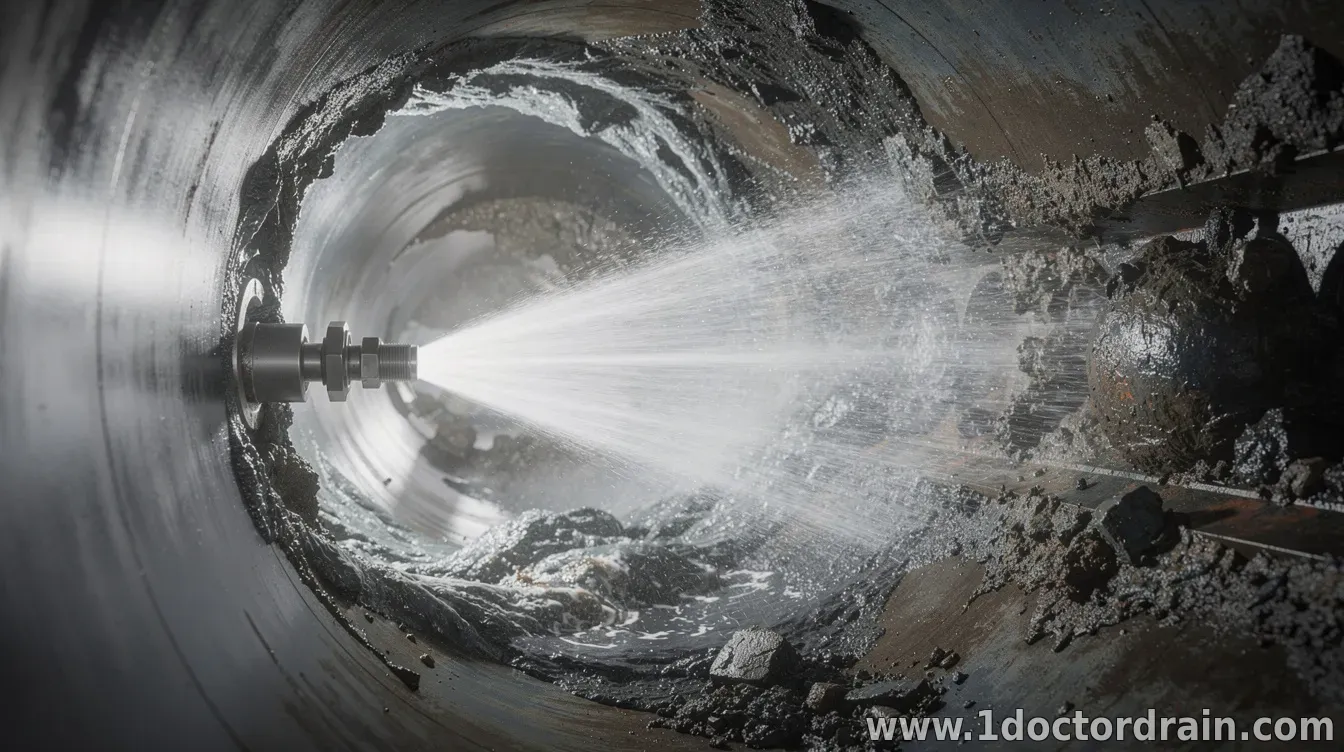
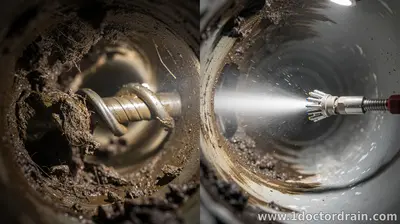
Hydro jetting is a plumbing service that uses high-pressure water to clean the interior of pipes. It’s commonly used for clearing clogged drains, restoring flow in sewer lines, and removing built-up material such as grease, scale, and debris.
Unlike basic drain snaking—which can remove some obstructions but may leave residue behind—hydro jetting is designed to thoroughly clean the pipe walls, helping reduce the chance of repeat backups. How hydro jetting works
The process starts with a technician assessing the system and selecting the appropriate pressure and nozzle setup. A specialized hose is then inserted into the pipe through an access point, such as a cleanout or the plumbing fixture depending on the job.
At the other end of the hose is a nozzle that directs the water jet forward (and in many designs, outward as well). The water is propelled by a high-powered pump, creating a strong stream that breaks apart blockages and flushes loosened material downstream. What’s being cleaned
Hydro jetting is often used in residential and commercial settings for drain lines and sewer pipes. It can be effective for removing accumulations that restrict flow, including soap scum, food waste, hair, mineral scale, and grease layers.
In some cases, hydro jetting is paired with inspection tools (such as a sewer camera) to identify where the buildup is concentrated and to confirm the pipe’s condition before and after cleaning. Why the nozzle and pressure matter
Nozzles are selected based on the type of blockage and the pipe size. Some nozzles focus on straight-through cleaning, while others are designed to scour the sides of the pipe more aggressively. Technicians also adjust pressure to avoid damaging older or vulnerable pipe materials.
Because hydro jetting uses forceful water, it’s most successful when performed by trained professionals who can match the equipment settings to the plumbing system and job requirements. Benefits and limitations
When used appropriately, hydro jetting can improve drainage performance by removing both clogs and the buildup that causes them. It can also be useful as part of preventative maintenance in certain systems where residue buildup is common.
However, it isn’t a universal solution. If a pipe is severely cracked, collapsed, or obstructed by damage that prevents water from safely passing through, jetting may not be the right approach. In those situations, repairs or replacement may be necessary.
Hydro jetting is a powerful cleaning method: it clears blockages with high-pressure water and helps restore flow by cleaning the pipe interior. If you’re dealing with recurring backups or slow drains, a professional assessment—including possible camera inspection—can determine whether hydro jetting is the best option for your system.
| |
|
| |
CALL ☎ Subscribe 👆
Next & Previous posts
Related materials:
CONTACT US 📩
Submit the form, we'll contact you as soon as possible!