5:31 AM Drain Cleaning Checklist for New Homebuyers | |
Buying a new home often comes with a “move-in checklist” covering paint, locks, and appliances. But one of the most common—and sometimes expensive—plumbing issues starts sooner than homeowners expect: slow drains, recurring clogs, and odors traced back to buried lines and hidden buildup.
Experts say the safest approach is to combine a basic drain assessment with targeted cleaning before you rely on every bathroom, kitchen sink, and laundry cycle. The goal isn’t to over-service your plumbing, but to catch early warning signs and remove debris that accumulates in older systems or during construction and renovations. Start with what you can confirm quickly
Before scheduling a full cleaning, walk through the home and note how each fixture drains. Test multiple uses—not just one quick pour—and watch for gurgling sounds, water backing up, or slow emptying in tubs, showers, and floor drains. Even small differences can point to partial blockages, venting issues, or drainage pattern problems.
Then, identify whether the home has a basement/crawlspace access point and locate cleanouts—typically capped access points on drain lines. If you’re unsure where cleanouts are, ask the seller or review any available plumbing documentation. Cleanouts matter because they determine how much of the system can be inspected or serviced without costly demolition. Check the main line and sewer connections
A comprehensive “before move-in” plan usually focuses on the main drain line that carries wastewater away from the home. If the property is older, or if there were recent additions (such as a renovated kitchen or converted basement), waste can accumulate at bends and transitions where debris settles over time.
For many buyers, the most useful step is professional inspection—often using a camera—to verify the condition of the pipe interior. That lets contractors distinguish between normal wear, root intrusion, cracks, or blockages caused by sediment and residue. Cleaning is most effective when it’s guided by what’s actually present in the line. Don’t ignore venting and odors
Some drainage problems aren’t clogs in the pipes at all—they’re symptoms of venting issues. Plumbing vents help equalize pressure so wastewater can flow smoothly. When venting is inadequate or blocked, you may see persistent slow drains, repeated gurgling, or smells that seem to come and go.
If you notice odors near drains, consider documenting when they occur (after showers, during laundry, or after the kitchen sink runs). That timing can help professionals pinpoint whether the issue is connected to trap performance, venting restrictions, or a problem in the main line. Look for floor drains, cleanout caps, and recent repairs
Homes with basements, garages, or laundry areas often include floor drains. These can be overlooked during typical maintenance but may collect sediment and debris. If the floor drain is rarely used, dry seasonal traps can also contribute to odors.
Buyers should also check for signs of recent plumbing work: new caps, patching around cleanouts, or non-matching materials under sinks and near wall penetrations. If repairs were performed, ask what was addressed and whether any scope included camera inspection, line cleaning, or root mitigation. A “clean now” approach is more valuable when paired with knowledge of what changed. Cleaning strategies that fit common buyer goals
Not every home needs the same level of service. A practical sequence is usually: targeted cleaning of the accessible lines and fixtures, professional inspection of the main line if you see warning signs, and prevention-focused maintenance if buildup risk is high. For example, kitchens and laundry areas often accumulate grease and lint residue, while older drain lines may collect scale and sediment.
If you’re dealing with repeated backups or persistent odors, prioritize inspection before treatment. Cleaning without identifying the cause can remove debris temporarily, but it may not solve issues like cracked pipe sections, tree root intrusion, or blocked vents. What to ask before hiring a plumber
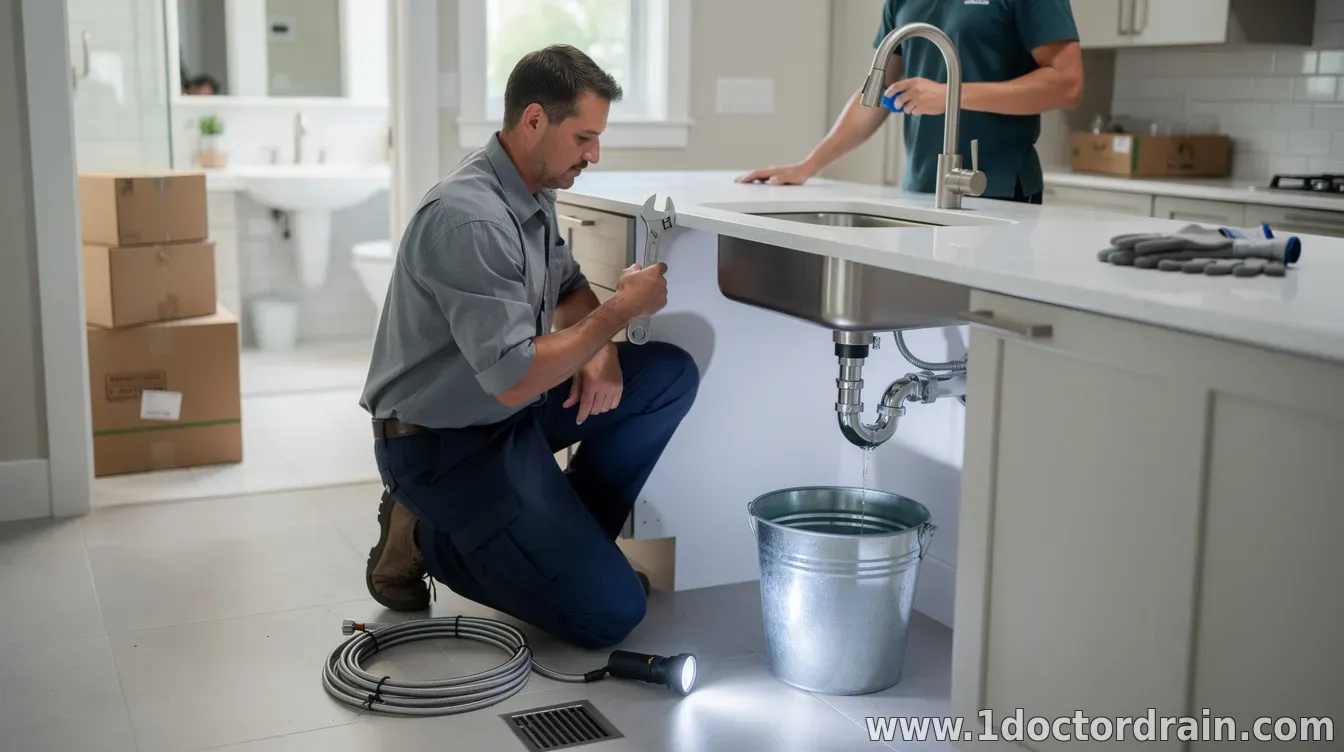
When scheduling drain cleaning or inspection, homeowners can reduce uncertainty by asking clear questions. Consider requesting a scope that includes what will be inspected, what equipment will be used, and how results will be reported.
Common questions include:
A transparent plumber should be able to connect the proposed service to the symptoms you observe and the likely condition of the system. Plan preventive habits after move-in
Once the home is moving smoothly, simple habits can help keep drains clear: avoid pouring grease or food scraps down the disposal, use strainers in sinks, and be careful about what goes into toilets and garbage disposals. In laundry areas, lint management can matter as much as drain cleaning.
For long-term peace of mind, consider periodic inspections if the home is older, if trees are nearby, or if you’ve already found buildup or minor damage. A proactive approach is usually cheaper than repeated emergency callouts.
Drain cleaning before moving in isn’t about “overdoing” plumbing maintenance—it’s about knowing what you own. With a short inspection, attention to cleanouts and venting, and documentation of results, new homebuyers can reduce the odds of surprise backups and start their ownership with confidence.
| |
|
| |
CALL ☎ Subscribe 👆
Next & Previous posts
Related materials:
CONTACT US 📩
Submit the form, we'll contact you as soon as possible!