1:01 AM What Is Descaling and When It’s Needed After Hydro Jetting | |
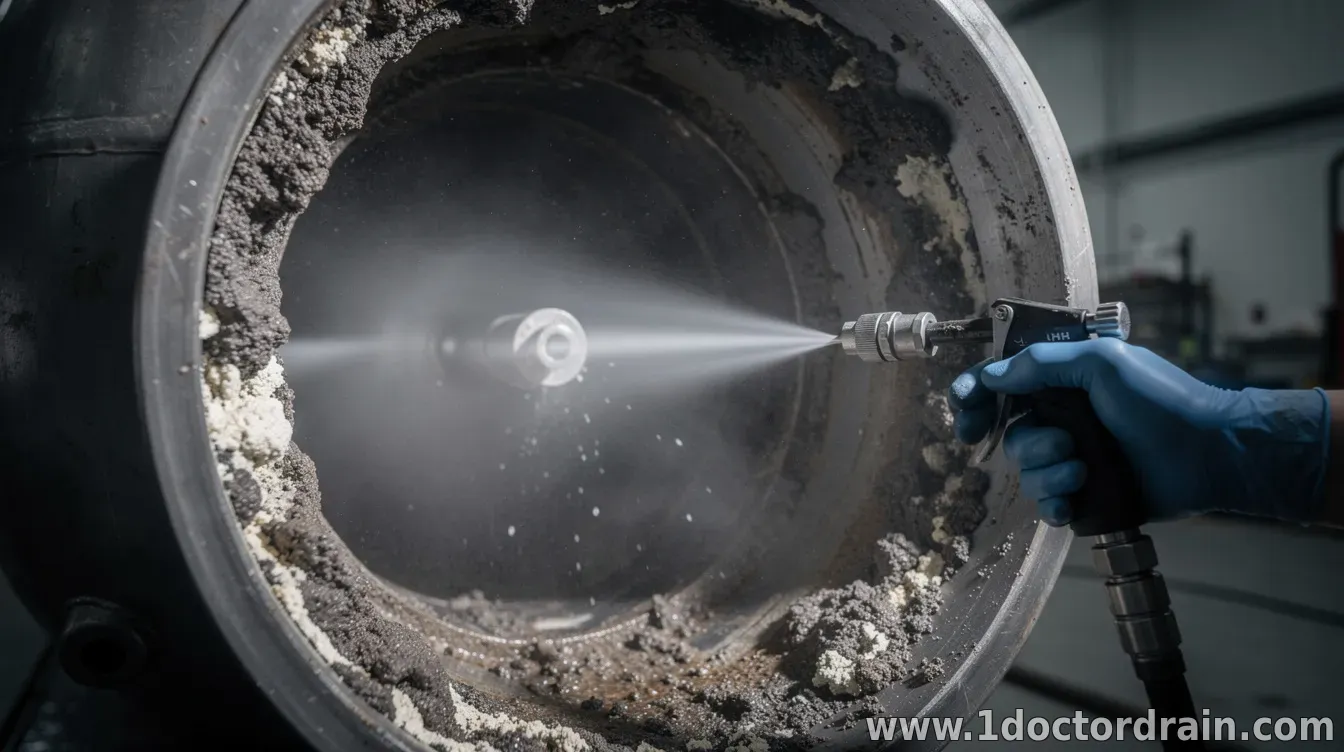
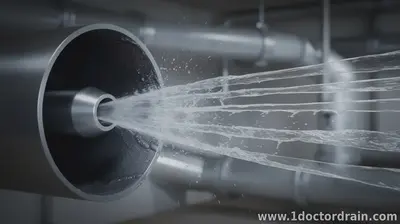
Hydro jetting is designed to blast away grease, sludge, and other debris deep inside a drain line using high-pressure water. While it’s highly effective at clearing many obstructions, it doesn’t always solve every type of buildup—especially when mineral scale or hard deposits have formed on the pipe walls.
That’s where descaling comes in. In simple terms, descaling is the removal of mineral deposits (often calcium, magnesium, or similar compounds) that can adhere to plumbing surfaces over time. These deposits can narrow the pipe, trap other debris, and contribute to recurring clogs even after a thorough jet. How descaling differs from hydro jetting
Hydro jetting primarily focuses on loosening and flushing away material that’s already in the pipe—such as food waste, hair, soap residue, and accumulated gunk. Descaling targets what’s bonded to the pipe wall. If mineral scale has hardened into a crust, high-pressure water may clear loose debris but still leave the hard coating behind.
In practice, a property owner might notice that flow improves immediately after jetting but worsens again sooner than expected, or that certain sections of the line look rough, constricted, or film-covered on a camera inspection. When descaling is needed after hydro jetting
Descaling is most often recommended after hydro jetting when a follow-up assessment shows persistent buildup. Common triggers include:
Timing matters: descaling is generally considered once the line is fully flushed of loose obstruction (often via hydro jetting) and an inspection confirms that hard mineral residue remains. Signs you may need descaling (even if the jetting helped)
Not every situation requires additional treatment, but these indicators can point toward the need for descaling:
What to expect from the descaling process
Descaling methods vary depending on pipe material, the severity of buildup, and local regulations. Some approaches use specialized descaling products designed to dissolve mineral deposits, while others may combine chemical treatment with rinsing to ensure the line is clear afterward. In most professional settings, the work is paired with camera verification to confirm results.
Because pipes differ—such as PVC, cast iron, ABS, or older metal lines—an appropriate method should be selected carefully to avoid damaging materials or creating unsafe conditions. A reputable cleaning technician or plumber typically evaluates pipe type and condition before recommending a descaling strategy. Bottom line
Hydro jetting is excellent for removing loose obstructions, but descaling is needed when hard mineral buildup remains or when repeat issues suggest pipe narrowing. The most reliable way to decide is through a post-jet camera inspection that identifies whether scale is actually present and limiting flow.
If you’re scheduling drain maintenance, consider asking whether your contractor can inspect the line after jetting and document any mineral deposits—so you can address the right problem the first time.
| |
|
| |
CALL ☎ Subscribe 👆
Next & Previous posts
Related materials:
CONTACT US 📩
Submit the form, we'll contact you as soon as possible!