0:55 AM Chicago-Area Building Codes for Sewer Line Replacement | |
Sewer line replacement in Chicago-area suburbs is typically governed by a combination of state plumbing codes, local municipal ordinances, and utility-specific requirements. While the exact rules vary by village or city, most jurisdictions expect projects to be permitted, inspected at critical stages, and completed by qualified professionals under a defined scope of work.
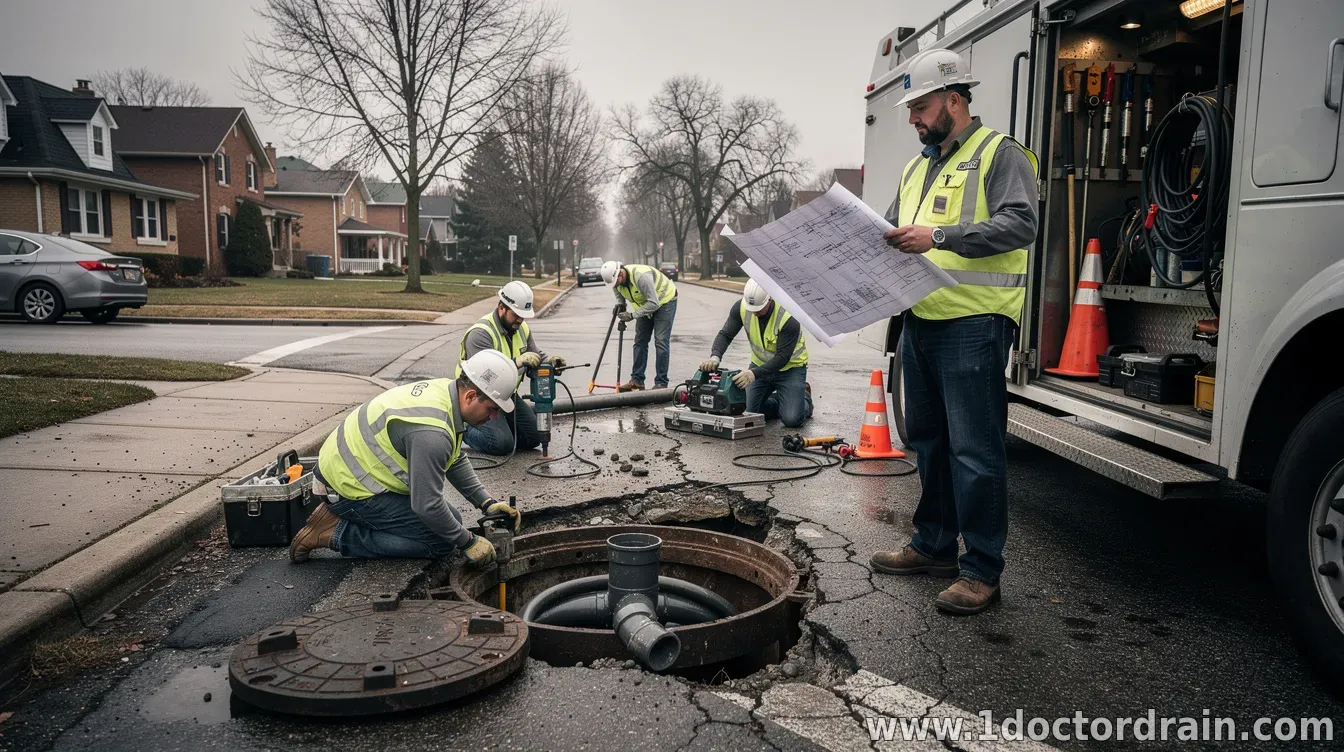
For property owners and contractors, the practical takeaway is that code compliance is not just about the pipe itself. It also covers how the work is designed (plans/specs), how the excavation is managed (safety and traffic control), and how the installation is tested and documented before the system is returned to service. Permits, approvals, and who must sign off
Most Chicago suburbs require a sewer-related permit through the local building department or public works office before work begins. Many towns also require separate approvals—such as right-of-way permits, excavation permits, and approvals tied to the local sewer utility (especially when work affects public mains or manholes).
In many jurisdictions, permitting typically involves licensed plumbing and/or sewer contractors, plus plan submittals that show materials, pipe sizes, bedding/backfill details, and connection points. Inspections are commonly scheduled at multiple stages, including after excavation and pipe placement, and again after restoration and final testing. Typical code elements: materials, installation, and testing
Code-driven sewer replacements generally address pipe material selection, joint type, bedding requirements, slope/grade, and connection methods. Some areas may allow various pipe materials, such as PVC or other approved materials, but they usually require the product to meet relevant standards and be installed according to the manufacturer and applicable code provisions.
Testing requirements are also a recurring theme. Many jurisdictions require measurement and verification of alignment/grade and may require pressure and/or infiltration tests depending on the portion of the system being replaced and local practice. Documentation—like test results and as-built information—often becomes part of the compliance record. Excavation, restoration, and traffic/safety controls
Even when the plumbing scope seems straightforward, municipalities frequently focus heavily on excavation and site safety. Sewer work commonly requires adherence to rules for shoring, trench safety, dewatering (when needed), and protecting surrounding structures and utilities.
If the work impacts sidewalks, driveways, or public streets, jurisdictions often require traffic-control plans and approved restoration standards. Restoration expectations can include paving replacement limits, topsoil/landscaping requirements, and timelines for completing backfill and surface recovery. Utility rules can be as important as building codes
In Chicago suburbs, sewer line replacement may involve both private property plumbing and public system components. If the replacement reaches or ties into a municipal main, the local sewer utility may impose additional technical requirements beyond general building code provisions—such as connection procedures, inspection coordination, and restrictions on work timing.
Because utilities may have their own manuals or standard details, contractors often succeed faster by confirming requirements early with the utility’s engineering or permitting staff. Doing so helps avoid rework when, for example, connection locations, manhole adjustments, or restoration standards differ from what the contractor planned.
Next steps for compliance: Verify your suburb’s permit process, confirm whether right-of-way permissions are needed, obtain the required plan reviews, schedule inspections before covering any work, and ask the sewer utility (if applicable) for project-specific connection and testing requirements.
Note: This article provides general guidance. For a specific address, always check the governing municipality’s current ordinances and code amendments, and consult licensed local professionals and inspectors for project-specific requirements.
| |
|
| |
CALL ☎ Subscribe 👆
Next & Previous posts
Related materials:

CONTACT US 📩
Submit the form, we'll contact you as soon as possible!