
2:10 AM Snowmelt and Basement Flooding: Prepare in Winter, Not in Spring | |
Winter can quietly set the stage for spring floods, especially when lingering snow meets thawing temperatures. Homeowners often wait until spring to address basement drainage, but the critical window to prevent flooding is during the cold months when snowmelt begins to accumulate near foundations.
Experts say the most effective flood-prevention measures are simple, proactive, and weather-aware. Start with your property’s drainage: clear gutters and downspouts, and ensure they carry meltwater away from the house at least five to ten feet. Check for ice dams and remove any blockages that could redirect water toward your foundation.
A functioning sump pump is a homeowner’s frontline defense. Test the unit in mid-winter, replace batteries in backup pumps, and consider upgrading to a pump with a higher head and increased flow if your basement is prone to dampness during thaw cycles. Install or upgrade a backflow valve to prevent sewer line backups during periods of heavy melt or rain combined with snowmelt.
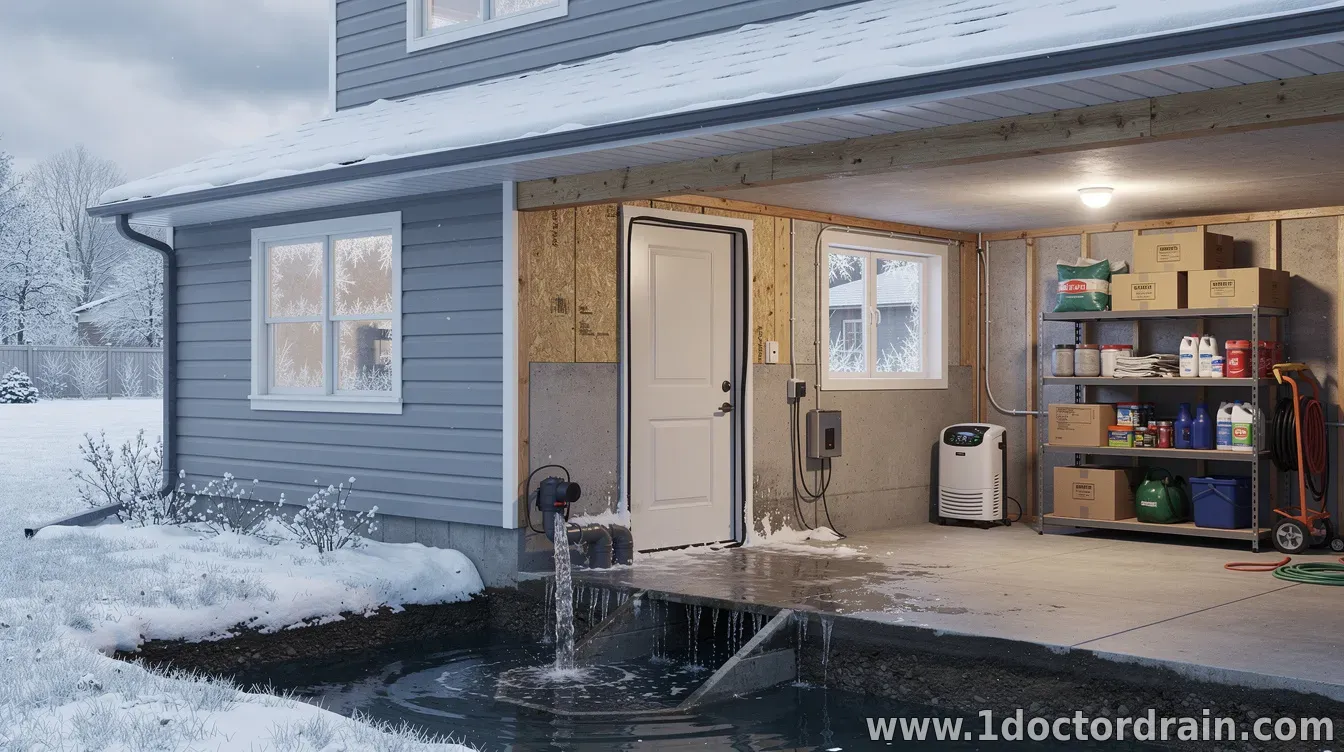
Ground and foundation drainage also matter. Ensure window wells and foundation drains are clear, and consider extending discharge lines away from the foundation. If grading around the house slopes toward the foundation, regrade the landscape so water flows away. For snow-heavy areas, install a snow fence or snow guards to reduce piling near the foundation where meltwater can pool.
Insulation and pipe protection can avert frozen pipes and subsequent leaks that become flood risk. Insulate exposed water pipes, seal crawl spaces, and maintain a consistent indoor temperature to minimize thaw cycles that push water toward the basement walls. Use ice melt prudently on walkways to reduce rapid runoff into screening areas and basement portals.
During winter, monitor weather forecasts and precipitation trends. A rapid warm spell followed by a heavy snowfall can create a surge of meltwater that overwhelms aging drainage systems. Set up a simple monitoring plan: check the curbside drainage after heavy snowfall or rain, and inspect the basement for any signs of moisture after melt events.
Next steps for homeowners are practical and affordable: create a winter-prep checklist, schedule a professional drainage assessment if flooding has occurred previously, and keep emergency supplies ready in case of a sudden flood. Preparedness now saves time, money, and stress when spring arrives.
| |
|
| |
CALL ☎ Subscribe 👆
Next & Previous posts
Related materials:



CONTACT US 📩
Submit the form, we'll contact you as soon as possible!