3:24 AM Emergency Water Shutoff Checklist for Homeowners | |
When water begins to leak or flood, the first priority is often stopping the flow. For homeowners, knowing how to shut off your water supply quickly—and where to find the correct valve—can significantly limit property damage and reduce repair costs.
This emergency water shutoff checklist is designed to be used in real-world, time-sensitive situations. Keep it somewhere visible, and practice the steps at least once so you’re not figuring it out during an incident. 1) Identify the right shutoff valve
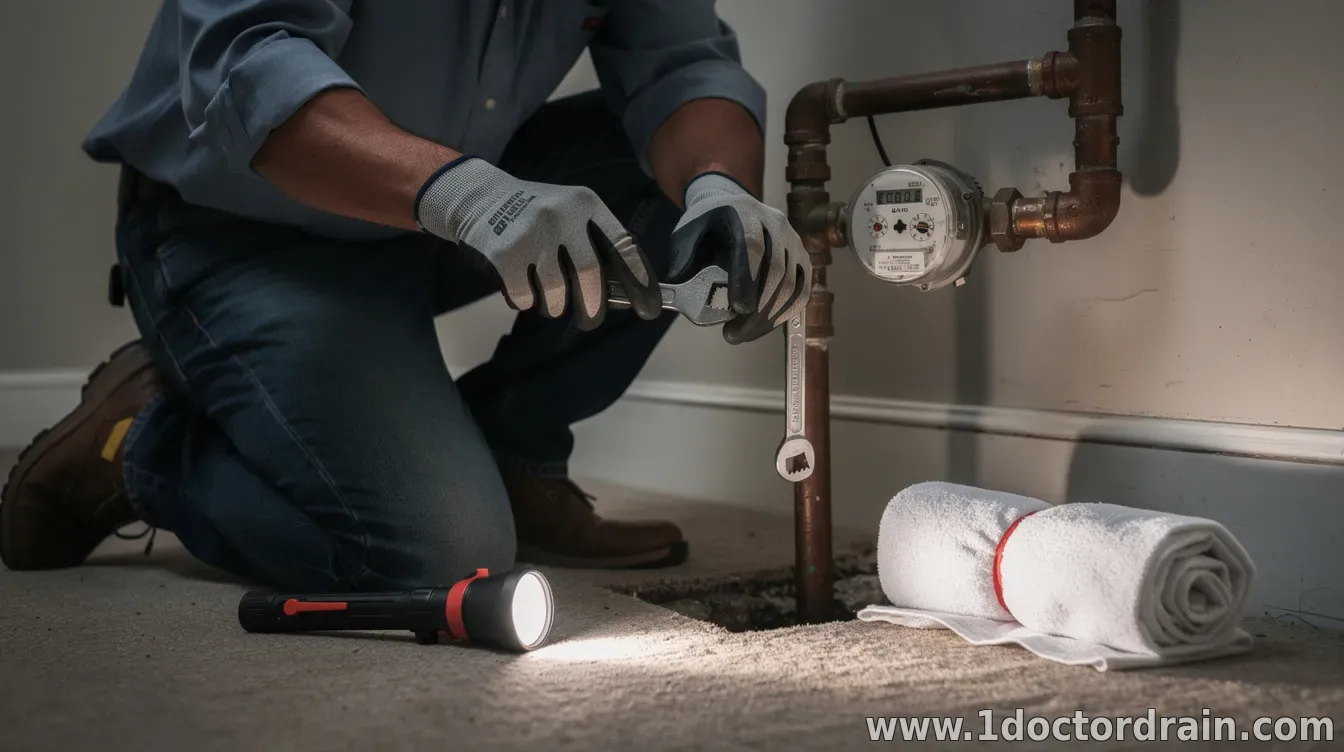
Start by confirming which shutoff controls your home. In many residences, the main shutoff is located near where the water line enters the house—commonly in a basement, crawl space, garage, utility closet, or near an exterior wall. If you have a separate meter area or property shutoff, make sure you know the difference.
If you can’t immediately locate the valve, don’t waste time searching while water is actively spraying. Instead, consider switching to the next steps: accessing the likely main valve location and using isolation methods around the affected area until you can fully stop flow. 2) Prepare before trouble starts
Keeping essentials ready reduces delays and improves safety. Consider assembling a small “water emergency kit” and confirming everyone in the household knows where it’s stored.
Also, ensure the valve is accessible. Over time, items get stacked near utility areas—move obstacles so you can reach the shutoff quickly when you need it. 3) Shut off safely and effectively
When you reach the correct valve, turn it in the proper direction (often clockwise to close, but verify how yours works if you can). Apply steady force—especially for older valves—while avoiding sudden, excessive pressure that could cause damage.
If the valve is stuck, avoid forcing it indefinitely. Try gentle back-and-forth movement if appropriate, and then move to containment steps (like closing individual shutoff valves to the affected fixture) while you contact a professional. 4) Stop water to the specific problem
If the leak appears localized—such as to a toilet, sink, or a single supply line—shutting off the fixture’s local shutoff valve can reduce damage while you work on the main shutoff. Many toilets and appliances have individual valves behind access panels or near the supply line.
After shutting off, confirm the leak has stopped. Then drain residual water in the lines by running a faucet briefly (if safe to do so) to relieve pressure and help prevent re-leakage. 5) After shutoff: document and begin mitigation
Once water flow is stopped, take quick steps to limit further issues: remove standing water if possible, keep materials elevated where safe, and open ventilation to support drying. If electrical fixtures were exposed or standing water reached outlets, avoid contact and follow safety guidance before proceeding.
Photograph the affected area before cleanup if you can do so safely. This can help with insurance documentation and speed up repair planning. Keep receipts for emergency materials you purchase. 6) Know when to call for help
Some situations require immediate professional attention. Call a licensed plumber or emergency service if you suspect a damaged pipe inside walls or ceilings, if the shutoff valve won’t close fully, or if the leak continues after shutoff. If you observe signs of electrical risk (sparks, buzzing, or water near wiring), treat it as an urgent safety issue.
For recurring issues—frequent valve failure, recurring leaks, or corrosion near shutoffs—schedule an inspection. Preventive maintenance can reduce the odds of a valve that won’t shut when you need it most. Printable “Emergency Shutoff” mini-checklist
Use this short version as a quick reference during an incident:
Preparing ahead of time turns a stressful moment into a controlled response. If you haven’t already, take 10 minutes today to find your shutoff valve, confirm it operates, and share the location with every adult in the home.
| |
|
| |
CALL ☎ Subscribe 👆
Next & Previous posts
Related materials:
CONTACT US 📩
Submit the form, we'll contact you as soon as possible!