1:35 AM Drain Cleaning Solutions: A Complete Guide | |
Drain problems are a common home nuisance, and choosing the right solution can save time, money, and plumbing trouble. This guide breaks down the main types of drain cleaning options, how they work, and practical steps to keep drains flowing smoothly.
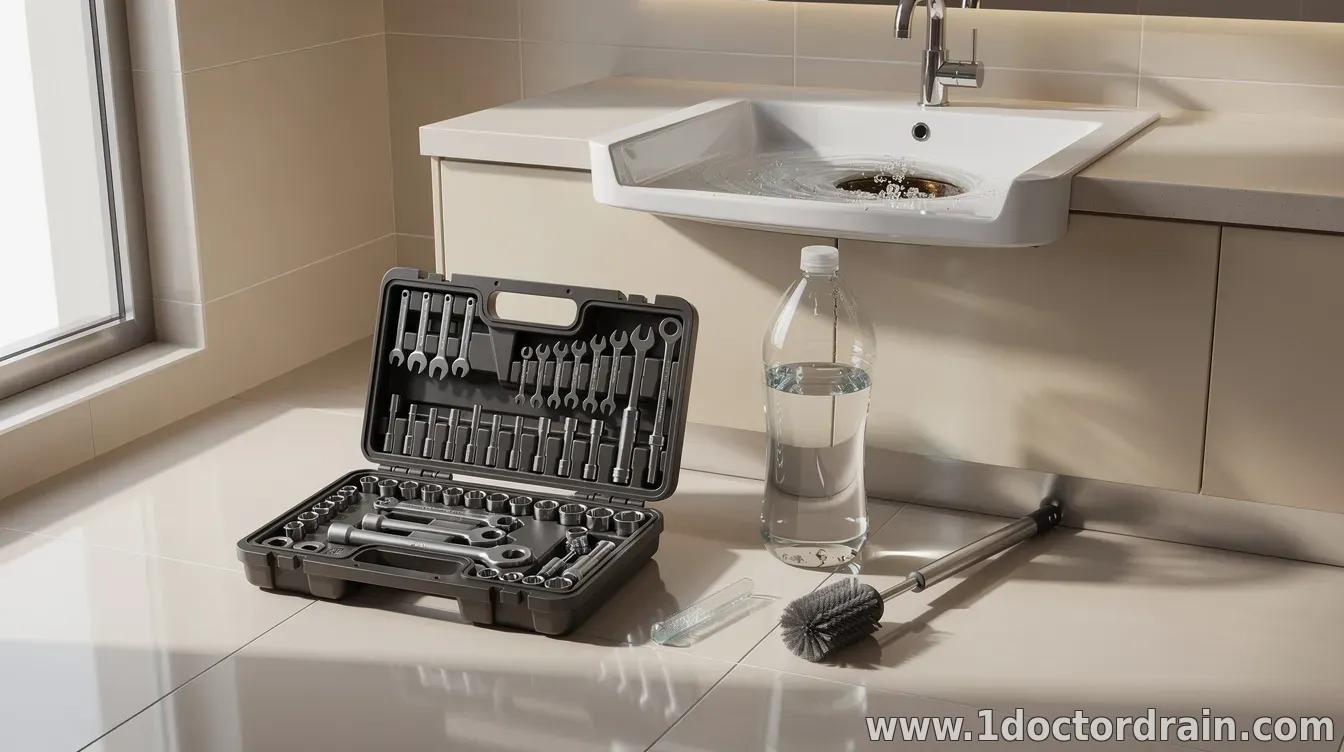
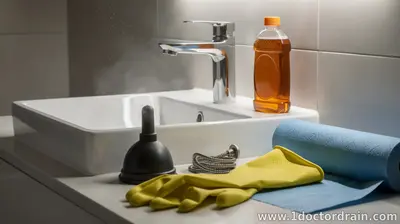
First, understand the core categories: enzymatic cleaners, chemical cleaners, and mechanical methods. Enzymatic cleaners use beneficial bacteria and enzymes to digest organic buildup over time. They’re generally milder and can be safer for pipes, but they work slowly and require consistent use. Chemical cleaners use strong acids or alkalis to dissolve clogs. They act quickly but can damage pipes, especially with older plumbing, and emit strong fumes. Mechanical methods include plungers, drain snakes, and professional augers, which physically break up or remove blockages without harsh chemicals.
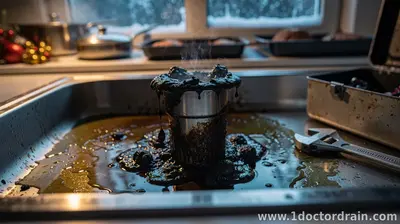
Choosing the right option depends on the pipe type, clog severity, and safety considerations. For kitchens, grease buildup often responds to enzymatic cleaners or mechanical snakes, while bathroom drains may benefit from plungers and small-diameter augers. Avoid mixing chemical cleaners with other cleaners or pouring them into already blocked drains, as fumes and reactions can be hazardous.
Best practices for safe use include reading product labels, testing a small section of piping, and wearing protective gloves and eye protection. Never use chemical drain cleaners in metal pipes or on slow-flowing drains that might indicate deeper plumbing issues. If a clog reoccurs frequently, it could signal a venting problem, a sewer line issue, or a more serious obstruction that requires a professional assessment.
Preventive steps can reduce clogs significantly. Run hot water after meals to clear grease, use drain catchers to stop hair and debris, and periodically flush drains with a vinegar-baking soda reaction as a mild maintenance routine. Regular maintenance, combined with mindful usage, keeps drains healthier and reduces emergency calls.
When to call a professional: if you experience sewage smells, multiple slow drains, standing water, or clogs that resist standard methods. A licensed plumber can diagnose venting issues, sewer line problems, or structural pipe damage that home remedies can’t fix.
In sum, choosing a drain cleaner depends on the clog and the pipe material. Use safer enzymatic options for ongoing maintenance, reserve chemical cleaners for specific, urgent situations with caution, and rely on mechanical methods for physical removal. With proper care, you can keep drains flowing smoothly and extend the life of your plumbing.
| |
|
| |
CALL ☎ Subscribe 👆
Next & Previous posts
Related materials:
CONTACT US 📩
Submit the form, we'll contact you as soon as possible!