1:12 AM Safe vs. Unsafe DIY Drain Cleaners: What Damages Pipes | |
DIY drain cleaner is often marketed as a fast fix for slow drains and clogged sinks. But not all products behave the same once they leave the bottle. Depending on the chemical ingredients—and what’s already inside the plumbing—some “strong” cleaners can accelerate corrosion, attack certain pipe materials, and even create hazardous reactions.
While many minor clogs can be addressed with safer methods, homeowners should understand the chemistry behind common products before pouring. The goal isn’t just clearing the blockage today; it’s avoiding damage that can show up months later as leaks, pinhole corrosion, or recurring clogs. Why some drain cleaners damage pipes
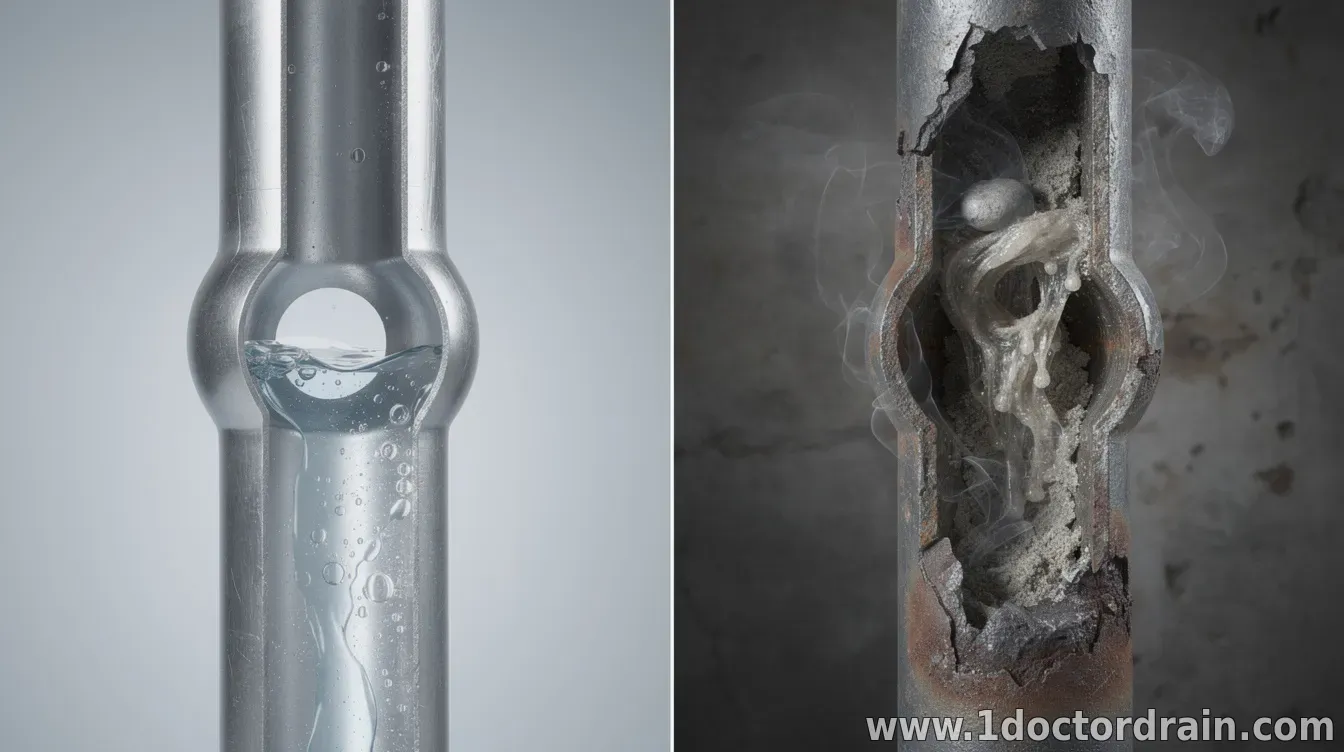
Pipe damage usually comes from a combination of chemical exposure and reaction byproducts. Highly caustic or strongly acidic cleaners can weaken pipe walls, especially where deposits have built up. As scale and grime soften, they can also dislodge in ways that push debris deeper into the drain line, leading to harder-to-resolve blockages.
Another issue is dwell time. Many “pour-and-wait” products are designed to sit in the drain long enough to react. Longer contact can increase the risk of wear on pipe coatings and metal surfaces, particularly when repeated treatments are used instead of addressing the underlying clog. Caustic vs. acidic: what’s safer?
Most major store-bought DIY products fall into two chemical categories: caustic (often sodium hydroxide–based) and acidic (often sulfuric or other acid-based). In general, caustic cleaners are formulated to digest some organic matter, but they can still harm certain pipe materials and fixtures if used incorrectly.
Acidic cleaners may dissolve mineral scale, yet they can be harsh on metal components and can increase the likelihood of corrosion in aging plumbing systems. “Safer” typically means the product is used as directed, for the intended clog type, and not repeatedly. Common DIY mistakes that turn “unsafe”
The biggest risks often come from misuse rather than from chemistry alone. Homeowners sometimes apply multiple products back-to-back, or try to substitute one chemical for another. That can lead to violent reactions, release of toxic fumes, or the formation of compounds that are harder to flush out.
Here are frequent examples of unsafe approaches:
Which pipes and plumbing parts are most at risk?
Material matters. Older plumbing with thinner metal walls, galvanized steel, or aging cast-iron sections may be more vulnerable to long-term corrosion. Even when a product doesn’t immediately leak a pipe, repeated chemical exposure can accelerate deterioration at joints and seams.
Fixtures can also be affected. Some cleaners are corrosive to chrome, brass, and certain finishes. While the internal drain line often bears the brunt, splashback and contact with exposed metal can still cause damage. Safer DIY alternatives: clearing without aggressive chemicals
For many clogs, mechanical methods are the safer first step. A plunger can work well for many kitchen sink and bathroom sink blockages, particularly when the problem is near the drain opening. A drain snake or auger is more effective for deeper clogs and avoids soaking pipes in reactive substances.
Routine prevention can also reduce the need for harsh treatments: using strainers to catch hair and food, running hot water periodically (as appropriate for the system), and avoiding dumping grease or fibrous materials down drains. When the clog persists, the safest “next step” is often inspection to identify whether the issue is a line blockage, a venting problem, or buildup in a particular section. When to stop DIY and call a professional
Consider professional help if the clog keeps returning, affects multiple drains at once, causes gurgling in nearby fixtures, or is accompanied by foul odors that don’t clear. These signs can indicate deeper obstructions or venting issues that chemical cleaners can’t reliably fix—and that may be worsened by repeated pours.
Ultimately, the safest DIY drain cleaner is the one that matches the clog type, is used exactly as directed, and isn’t combined with other chemicals. When in doubt about pipe material, system type, or prior product use, pause before pouring and choose mechanical clearing or professional diagnosis.
| |
|
| |
CALL ☎ Subscribe 👆
Next & Previous posts
Related materials:

CONTACT US 📩
Submit the form, we'll contact you as soon as possible!