3:33 AM DIY Drain Cleaning Limits: When to Stop and Call a Pro | |
Homeowners increasingly turn to DIY drain cleaning to save time and money—but not every clog is meant for consumer fixes. Knowing the practical limits of do-it-yourself methods can prevent pipe damage, costly repairs, and unsafe exposure to fumes or contaminated water.
Experts generally agree the “right” approach depends on how the blockage behaves. Slow drains and minor stoppages often respond to basic tools and cleaning practices, while repeated backups, sewer-like odors, or signs of structural issues can indicate a deeper problem that requires professional equipment. 1) When DIY is reasonable
DIY efforts are usually appropriate for clear, localized symptoms such as a single fixture draining slowly (e.g., one sink or shower) without spreading to other drains. In these cases, mechanical methods—like a plunger for sink or tub clogs and a handheld drain auger for hair or small blockages—can be effective and reduce the need for harsh chemicals.
Another DIY-friendly scenario is routine maintenance. Periodic removal of visible debris near strainers and regular cleaning of pop-up stoppers can reduce the buildup that leads to common sink and shower clogs. 2) Key DIY limits that raise red flags
Even when the clog seems minor, there are warning signs that suggest you should stop and reassess. If multiple drains start backing up at once, if the problem repeatedly returns soon after a DIY attempt, or if you notice gurgling noises from unrelated fixtures, the issue may involve a shared line or a deeper blockage.
Strong sewer odors are also a major indicator. Foul smells can point to a partial sewer obstruction or improper venting, situations where chemical “flush-through” tactics can make matters worse by reacting unpredictably or moving the blockage into more vulnerable sections. 3) The chemical “line” homeowners shouldn’t cross
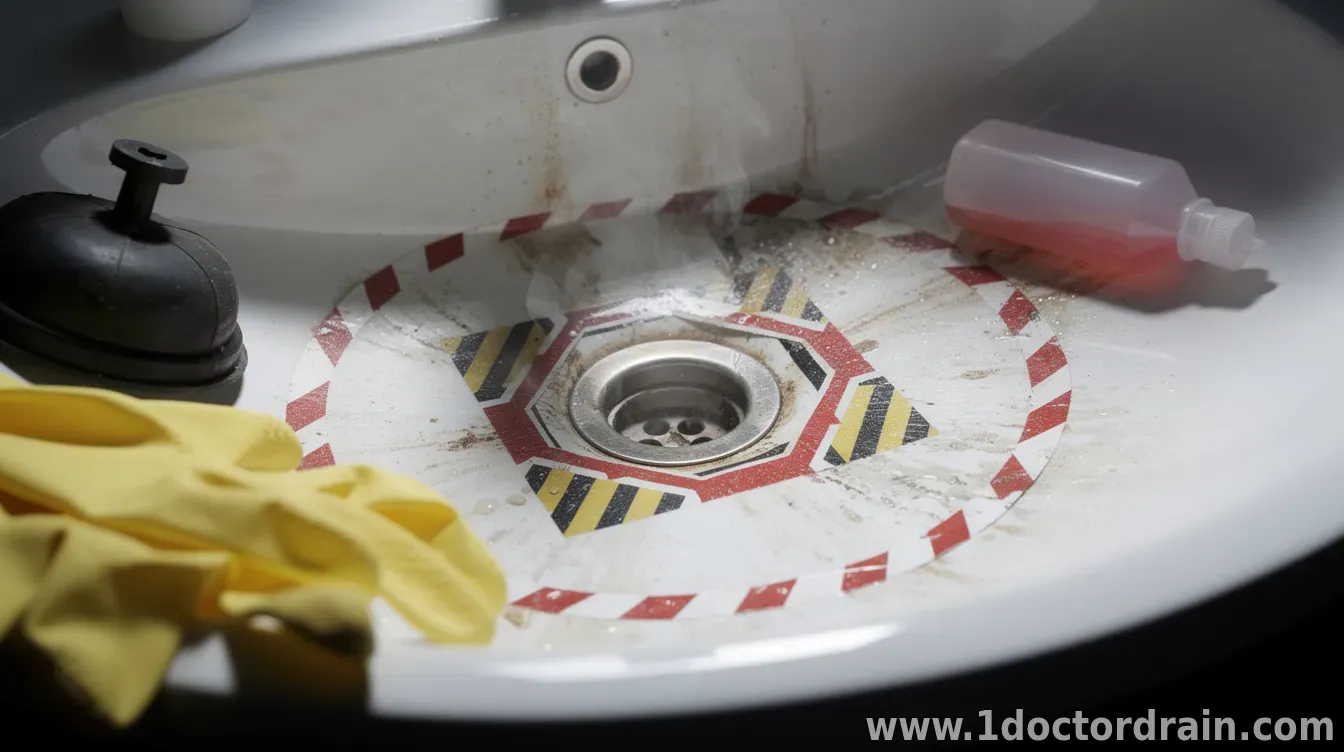
One of the most consequential DIY mistakes is relying on drain cleaners when the clog’s source is unknown. Many products use caustic chemicals that can damage pipes—especially older plumbing, plastic components, or certain seals and joints. The risk is not only material damage; chemical fumes and splashes can harm skin and lungs, and contaminated runoff can create additional cleanup hazards.
Equally important: mixing products is dangerous. Combining different cleaners (or using cleaners after mechanical efforts) can produce harmful reactions. If you’ve already used a chemical treatment and the clog persists, the safer move is to pause DIY attempts and consult a professional rather than escalating. 4) Tools and technique matter—especially with augers
While drain augers are often a safer alternative to chemicals, improper technique can still cause problems. Excessive force, wrong cable angles, or repeated attempts in tight spaces may scratch pipe interiors, dislodge fittings, or break off debris further down the line.
If you can feel the auger snag repeatedly or the cable won’t advance after a reasonable number of attempts, forcing it can worsen the obstruction. At that point, professional-grade tools—often including inspection cameras and higher-capacity augers—are better suited to identify the exact blockage and clear it with less risk.
Similarly, overusing a plunger can be ineffective or messy when the clog is deeper than the fixture trap. Plunger success is more likely when the blockage is near the drain opening or in accessible sections of the plumbing system.
Ultimately, the goal is to choose methods that match the symptom. DIY can be a good first step for localized, mild clogs, but it shouldn’t become a trial-and-error cycle that damages pipes or delays a needed diagnosis.
For persistent backups, multiple fixtures affected, sewer-like odors, or any situation where chemical cleaners have already been used, homeowners typically benefit from professional assessment. A technician can determine whether the issue is in a trap, a branch line, or the main sewer line—and clear it while minimizing damage.
| |
|
| |
CALL ☎ Subscribe 👆
Next & Previous posts
Related materials:

CONTACT US 📩
Submit the form, we'll contact you as soon as possible!