9:06 AM Storm Drain vs. Sewer Drain: What Homeowners Get Wrong | |
Storm drains and sewer drains are both part of a home’s drainage system, but they don’t do the same job. Confusing them is a common mistake that can turn routine maintenance into plumbing emergencies—and in some cases, environmental violations.
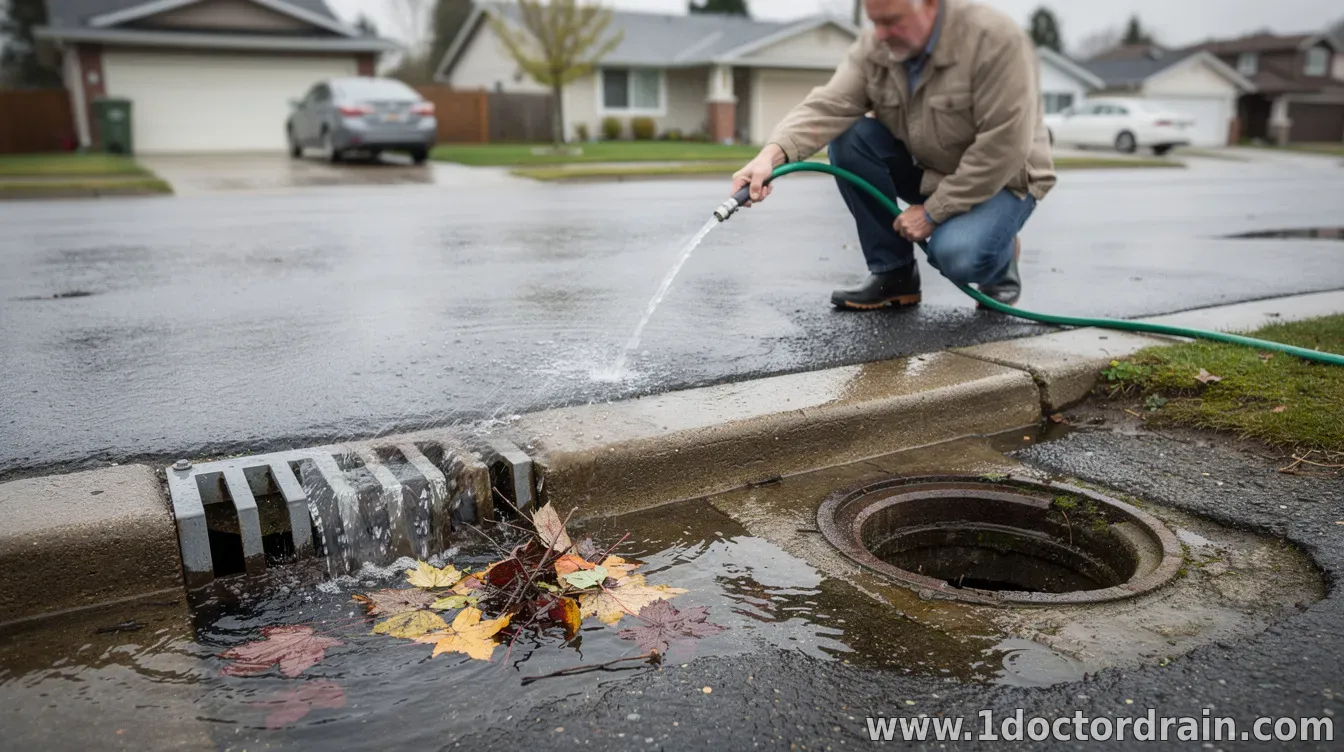
Storm drains are designed to carry rainwater from rooftops, streets, and yards to nearby waterways. Sewer drains (often called sanitary sewers) are built to move household wastewater—such as toilet waste, wastewater from sinks, and water from showers and washing machines—toward a treatment facility. What goes wrong when they’re mixed up
The most frequent homeowner errors involve disposing of materials into the wrong system. For example, dumping grease, food waste, wipes, or chemicals into drains that connect to the sanitary sewer can contribute to clogs and buildup. In a storm drain context, litter, yard debris, and certain chemicals can wash into local streams and lakes rather than being treated.
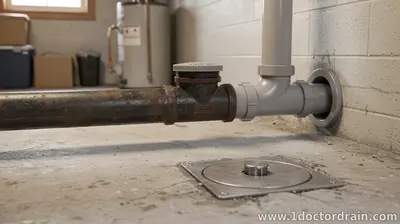
Another issue is “downstream” expectations. Storm drains typically flow during rainfall and may have open inlets and direct discharge. Sewer lines are typically pressurized or gravity-fed year-round and can back up if the system is blocked, even on days with little or no rain. Common homeowner misconceptions
“If water goes down, it must be fine.” In reality, what goes into a drain depends on what that line is connected to. Some homes have separate pathways, while others have shared infrastructure in certain neighborhoods, making assumptions risky.
“A clog is a clog—same fix.” Clogs behave differently depending on whether the blockage is in a sanitary sewer line or a storm drain. Sewer backups often involve foul odors and wastewater in fixtures, while storm-drain problems may show up as surface flooding, slow runoff after rain, or standing water near inlets.
“All drains lead to the same place.” Many homeowners assume all municipal or neighborhood drains connect to a single network. However, municipalities separate stormwater and sanitary wastewater systems to prevent untreated sewage from entering waterways. How to avoid mistakes
Homeowners can reduce risk with a few practical habits:
Simple maintenance also matters. Regularly clearing debris around storm drain inlets can help prevent flooding after heavy rain. For sanitary lines, addressing early warning signs—such as recurring slow drains or gurgling sounds—can prevent escalation into a full backup. When to call a professional
If you notice sewage odors, repeated backups in multiple fixtures, or wastewater rising in toilets or floor drains, you should contact a licensed plumber or sewer service. For storm-drain concerns such as persistent pooling after rain or clogged inlets that don’t improve with gentle cleaning, a local drainage contractor or municipal service may be needed.
In both cases, professionals can confirm whether the issue is isolated to a section of your property or related to the larger network.
The bottom line: storm drains move rainwater; sewer drains move wastewater. Treating them as interchangeable is where most problems begin—so taking a moment to understand your system can save money, protect your home, and reduce harm to local waterways.
| |
|
| |
CALL ☎ Subscribe 👆
Next & Previous posts
Related materials:
CONTACT US 📩
Submit the form, we'll contact you as soon as possible!