0:59 AM Main Line Rodding: How Often Should You Do It? | |
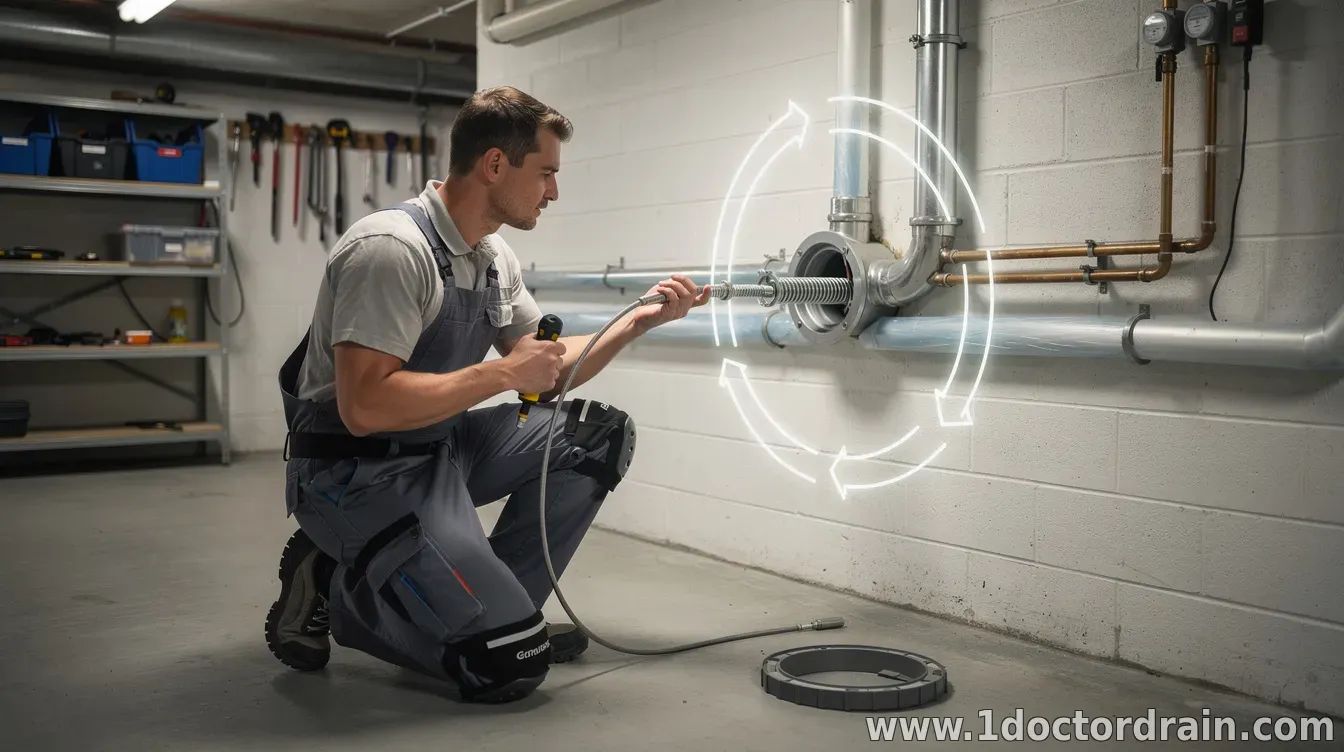
Main line rodding—also called drain or sewer line jet/rod clearing in some contexts—is a service used to break up or remove obstructions in a home’s main sewer line. Unlike routine drain cleaning for sinks and tubs, main line work typically comes into play when there’s evidence of a blockage further down the system. That’s why the best answer to “how often” is usually tied to risk factors and symptoms rather than a one-size-fits-all calendar. Why “frequency” varies from home to home
Sewer lines face different stressors depending on the building and its environment. Older pipes may have more wear or root intrusion points, while certain soils increase the likelihood of ground movement. Homes with heavy wastewater use, older plumbing layouts, or older cast-iron or clay systems may accumulate debris differently than newer, smoother-lined pipes.
As a result, many plumbing professionals recommend rodding when there are clear indicators of a developing blockage—rather than committing to a strict periodic schedule—because unnecessary cleanings can add cost without improving reliability. Signs rodding may be needed
Most owners don’t wait for a full backup. Instead, they watch for early warning signals that suggest the obstruction is in the main line (not just a single fixture). Consider calling a qualified service if you notice:
These patterns can point to buildup, partial blockages, or intrusion—conditions where rodding is often used to dislodge material and restore flow. Common causes that drive maintenance needs
Several recurring culprits can increase the likelihood of main line clogs:
Grease and cooking residue can solidify inside pipes over time, especially when it washes down repeatedly. Tree roots may infiltrate joints or cracks and expand, narrowing the flow path. Flushing habits also matter—items that don’t break down properly can contribute to blockages. Finally, mineral scale and general buildup accumulate gradually, particularly in systems with older infrastructure. So how often is “typical”?
There isn’t a universal standard frequency, but a practical way to think about it is: most homes benefit from periodic inspection or maintenance strategies, while rodding is most appropriate when symptoms suggest a developing or existing main line obstruction.
For households with higher risk factors—such as older sewer lines, mature trees nearby, known past clogs, or frequent wastewater loads—some owners choose proactive professional assessments on a longer cadence (for example, every few years). If those assessments indicate a clear need, rodding may be scheduled. If inspections are clean and flow remains normal, there may be no reason to rod.
Conversely, for newer homes with stable performance and no history of backups, rodding may be rare—triggered mainly by specific events (a clog) rather than recurring maintenance. What to expect when rodding is recommended
Professional main line rodding typically starts with identifying the location and nature of the blockage, often using inspection tools depending on the service approach. The goal is to clear the obstruction and restore normal flow while minimizing damage to pipes.
In many cases, a follow-up inspection helps determine whether the issue is isolated (one-time debris) or part of a broader problem (recurring root intrusion, failing joints, or recurring buildup). That distinction can influence whether future preventive steps are recommended.
For some properties, the better long-term solution may involve addressing the cause—like root management, grease-control habits, improved disposal practices, or repairs to compromised sections—rather than repeated rodding. Take action based on risk, not guesswork
The most reliable approach is to treat main line rodding as symptom- and risk-driven. If your system is showing early warning signs, or if you’re in a higher-risk category (older pipes, tree-root exposure, recurring backups), scheduling a professional evaluation sooner can prevent backups from becoming more costly and disruptive.
When in doubt, ask your plumber about whether your situation calls for rodding now, a preventive inspection, or targeted repairs to reduce recurrence.
| |
|
| |
CALL ☎ Subscribe 👆
Next & Previous posts
Related materials:
CONTACT US 📩
Submit the form, we'll contact you as soon as possible!