BLOG

Home BLOG

☎ 312-532-6435

Drain сleaning serviсe, clogged drain, sewer cleaner, IL


5:02 AM
Fall Leaves and Storm Drains: Preventing Yard Floodin


Autumn brings stunning foliage, crisp weather, and the inevitable chore of clearing fallen leaves. While brilliant gold and red leaves look great on trees, they present a hidden risk once they drop: storm drain blockages.


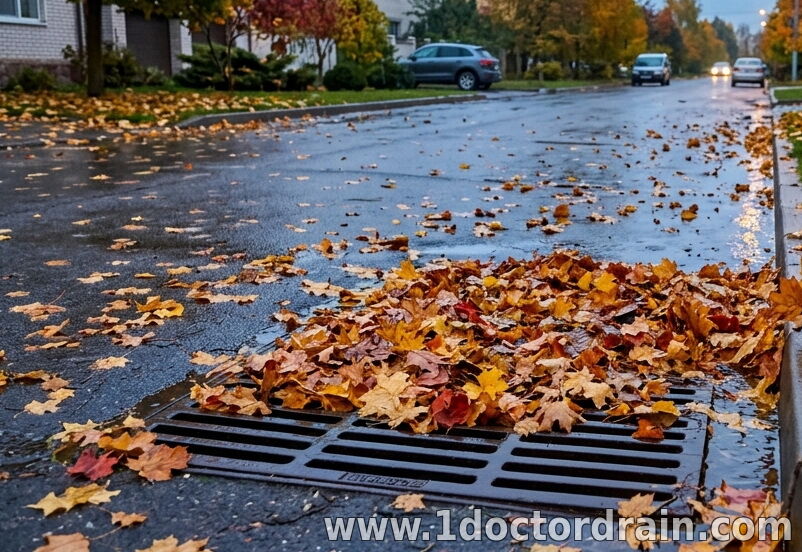
When crisp autumn leaves fall onto driveways, lawns, and streets, autumn rains wash them directly into local storm drains and catch basins. Left unchecked, dense mats of wet leaves create watertight seals over grates, triggering rapid yard flooding, property damage, and localized street pooling.


How Leaves Cause Severe Drainage Failures


It doesn't take a torrential downpour to flood a yard during autumn. A simple seasonal accumulation of leaves disrupts drainage through three main mechanisms:


1. The "Squeegee Effect" Over Grates


When dry leaves wash toward a storm drain or yard catch basin, water compresses them against the metal grate. As water pressure builds, the wet leaves form a dense, hydrophobic layer that acts like a solid mat. Instead of water flowing freely into the drain, it rolls right over the top, flooding nearby turf, gardens, and low-lying hardscapes.


2. Silt and Organic Sludge Buildup


Leaves that slip past the surface grate don't simply wash away. Inside subterranean drain pipes, decaying leaves combine with soil, lawn detritus, and silt. Over weeks, this forms a thick, tar-like organic sludge that coats the pipe walls, reducing the inner diameter of your drainage pipes and causing slow drainage throughout your entire system.


3. Catch Basin Capacity Overload


Most residential yard drainage systems rely on catch basins—underground boxes with grates on top designed to trap debris while allowing clear water to flow out into discharge lines. When leaves pack into a basin, they quickly fill the sump area, forcing debris into the outlet pipes and causing a complete system backup.


The True Cost of Fall Yard Flooding


Allowing water to pool around your property due to blocked drains leads to far more than soggy grass:


  • Foundation and Basement Seepage: Standing water near a home's foundation increases hydrostatic pressure, forcing water through micro-cracks in concrete basement walls.

  • Lawn Suffocation & Fungus: Prolonged standing water during cold weather smothers turf grass, leading to root rot, bare patches, and winter mold infections.

  • Pavement and Hardscape Damage: Trapped water that seeps under pavers, concrete walkways, or asphalt driveways freezes during late-fall cold snaps, causing ground heaving and severe cracking.


Proactive Fall Drain Care Checklist


To keep your yard dry and your drainage pipes flowing freely all season, follow this maintenance strategy:


Preventive Action Frequency Why It Matters
Clear Drain Grates Weekly (Daily during peak leaf drop) Removes surface dams before rain events force leaves into a tight, impenetrable mat.
Rake & Bag Leaves Promptly Weekly Prevents wind from blowing piles of leaves into low-lying swales and catch basin openings.
Clean Out Underground Catch Basins Twice per fall season Keeps the sump zone inside the basin clear so leaves cannot travel further down the discharge line.
Install Mesh Drain Guards Once before autumn Fine-mesh inserts prevent small leaf fragments and pine needles from slipping through coarse metal grates.
Keep Street Gutters Clear As needed Clears the path for curb-side storm runoff, preventing municipal water from overflowing onto your driveway or lawn.


Smart Alternatives to Dumping Leaves Near Drains


Never blow, sweep, or rake leaves into street gutters, swales, or drainage ditches. Instead, manage fallen leaves productively:


  • Mulch Them Into the Lawn: Use a mulching lawn mower to break dry leaves into tiny, nutrient-rich flecks. Small leaf fragments decompose quickly and feed the soil without clogging drains.

  • Compost for Spring Gardens: Collect leaves in a dedicated compost bin to create rich, organic humus for spring flowerbeds and garden plots.

  • Use as Garden Bed Insulation: Spread whole or shredded leaves around the base of sensitive perennials and shrubs to insulate root systems against early winter freezes.


What to Do During an Active Storm


If heavy rain arrives and you notice water pooling in your yard or near a storm drain:


  1. Safety First: Never reach into a deep or rapidly flowing storm drain with your bare hands. Sharp debris, glass, or animals may be present.

  2. Use a Rake: Stand on dry ground and pull the wet leaf mat away from the top of the grate using a rigid garden rake. Once the surface seal breaks, gravity will pull the impounded water down the drain rapidly.

  3. Clear the Outfall: Check the discharge end of your pipe (where water exits into a pop-up emitter, ditch, or curb) to make sure leaves haven't created a secondary plug at the exit


Category: Drain cleaning | Views: 5 | 08/01/2026 | Added by: admin | Rating: 5.0/1

CALL ☎ Subscribe 👆

Next & Previous posts


Total comments: 0
avatar


CONTACT US 📩

Submit the form, we'll contact you as soon as possible!


Full name *:
E-mail *:
Phone *:
Message *:
Select type of service *:
Your area *:
Security code *: