1:18 AM Old Home, New Pipes: Drain Challenges in North Shore IL | |
Owners of historic homes on Chicago’s North Shore—particularly in towns like Evanston, Wilmette, Winnetka, and Glencoe—are increasingly confronting a familiar problem: the drain lines beneath their properties were built for another era. As fixtures, laundry loads, and water use patterns have evolved, many older systems are struggling to keep up, leading to slow drains, recurring backups, and costly emergency repairs.
While drainage issues can appear “random,” plumbing professionals say they often trace back to predictable limitations of older materials and layouts. In many cases, the piping itself is still physically present, but performance has declined over decades due to corrosion, settlement, and buildup inside the pipe. Why older drains underperform
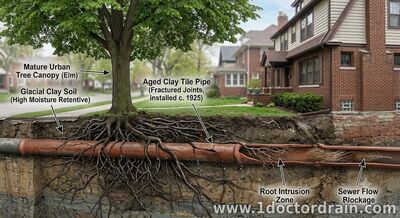
North Shore historic properties frequently feature drainage components installed when building codes, soil conditions, and plumbing standards were different. Older cast-iron sewer lines can develop internal corrosion, creating rough surfaces that trap debris. Meanwhile, clay or early concrete drain tiles—where they exist—can crack or shift as the foundation settles, allowing roots, silt, or groundwater to infiltrate and interfere with flow.
Another recurring challenge is that historic drainage routes may be less direct than what modern systems would use. When pipes run at shallow slopes or cross difficult soil pockets, gravity-driven flow can be marginal—making clogs more likely and turning routine household use into a bigger stress test for the line. Common warning signs for homeowners
Plumbers often advise homeowners not to ignore early indicators. Slow-moving water, frequent plunging, or recurring gurgling sounds in drains can signal partial blockage or venting problems. Sinks that drain sluggishly while nearby toilets function normally may point to localized issues in a branch line, such as a clogged lateral leading from the house to the main sewer.
Exterior symptoms can matter too. Wet spots near cleanouts, foul odors around basement floor drains, or standing water after rain may suggest that the drainage system can’t handle infiltration or that the direction of flow is being disrupted by aging piping or compromised connections. Backups are rarely “just clogs”
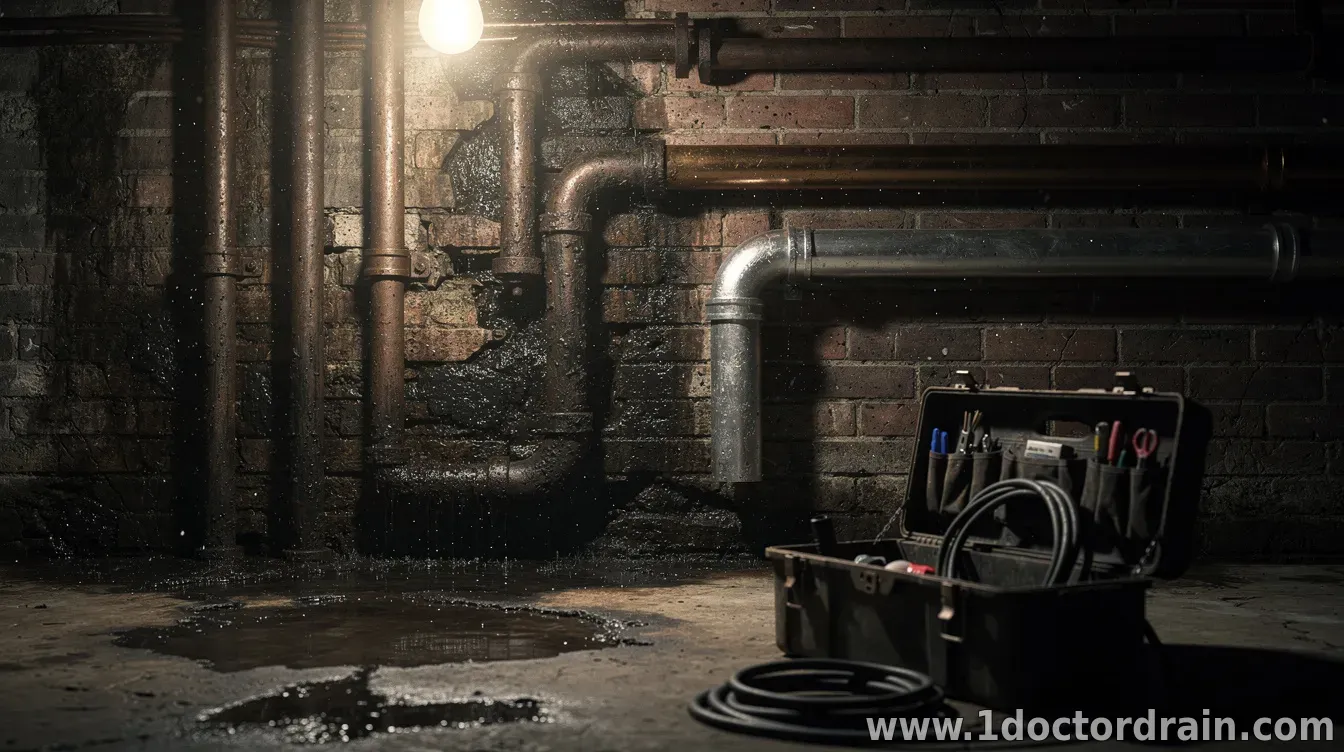
When a backup occurs, it’s tempting to treat it as a one-time clog. But in older North Shore homes, professionals say backups often reflect deeper problems—like a failing connection, root intrusion, or corrosion that has narrowed the interior diameter of the pipe. In some situations, the main line may be obstructed, while in others the issue is venting: if vents are blocked or undersized, wastewater can struggle to travel and may back up into fixtures even when the pipe opening is technically clear.
Because drainage systems are buried, diagnosing the true cause usually requires more than a homeowner’s observation. Camera inspections—using specialized sewer line technology—can reveal pipe condition, breaks, joint separation, and internal buildup, helping teams determine whether cleaning is sufficient or whether repairs are needed. Options for upgrading without losing the character
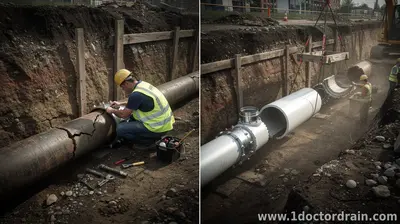
Many homeowners want to preserve the look and integrity of historic properties, which can complicate conventional replacement. Depending on where the damage is and how accessible the line is from the property, repair strategies may include targeted rehabilitation rather than full excavation. Techniques such as relining or spot repairs can address problematic sections while minimizing disruption to landscaping, walkways, and older foundations.
Still, experts caution that “patching” the wrong segment can delay the inevitable if the underlying system is broadly deteriorated. The goal, they say, should be to balance preservation with long-term performance—using inspection results to choose an approach that restores flow capacity and reduces the odds of repeated failures.
For homeowners who are planning upgrades—whether adding a bathroom, finishing a basement, or increasing laundry output—plumbers also recommend confirming that the drainage system has adequate capacity. Modern fixtures can shift the volume and timing of wastewater surges, exposing weaknesses that weren’t noticeable years earlier.
Ultimately, North Shore historic homes don’t fail all at once; they degrade in stages. The best outcomes come from early detection, accurate diagnosis, and repairs designed around the specific materials and layout beneath each property.
| |
|
| |
CALL ☎ Subscribe 👆
Next & Previous posts
Related materials:
CONTACT US 📩
Submit the form, we'll contact you as soon as possible!