2:32 AM Drain Cleaning Solutions: Everything You Need to Know | |
Drain problems can start small—slow water, gurgling sounds, or unpleasant odors—but the right response can prevent a minor blockage from becoming a costly repair. “Drain cleaning solutions” is a broad term, covering everything from basic maintenance to mechanical removal and professional treatments.
This guide explains the most common causes of clogs, the types of cleaning approaches available, and the key safety and prevention steps homeowners should know. Start by identifying the likely cause
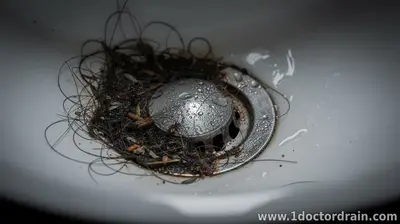
Different clogs respond better to different approaches. Grease and cooking residue are typical culprits in kitchen lines, while hair and soap scum often dominate bathroom drains. Mineral buildup can restrict flow over time in areas with hard water, and tree roots or pipe damage may cause recurring blockages.
If water backs up across multiple fixtures, the issue may be deeper in the plumbing system rather than isolated to one drain. Common drain-cleaning solutions and when to use them
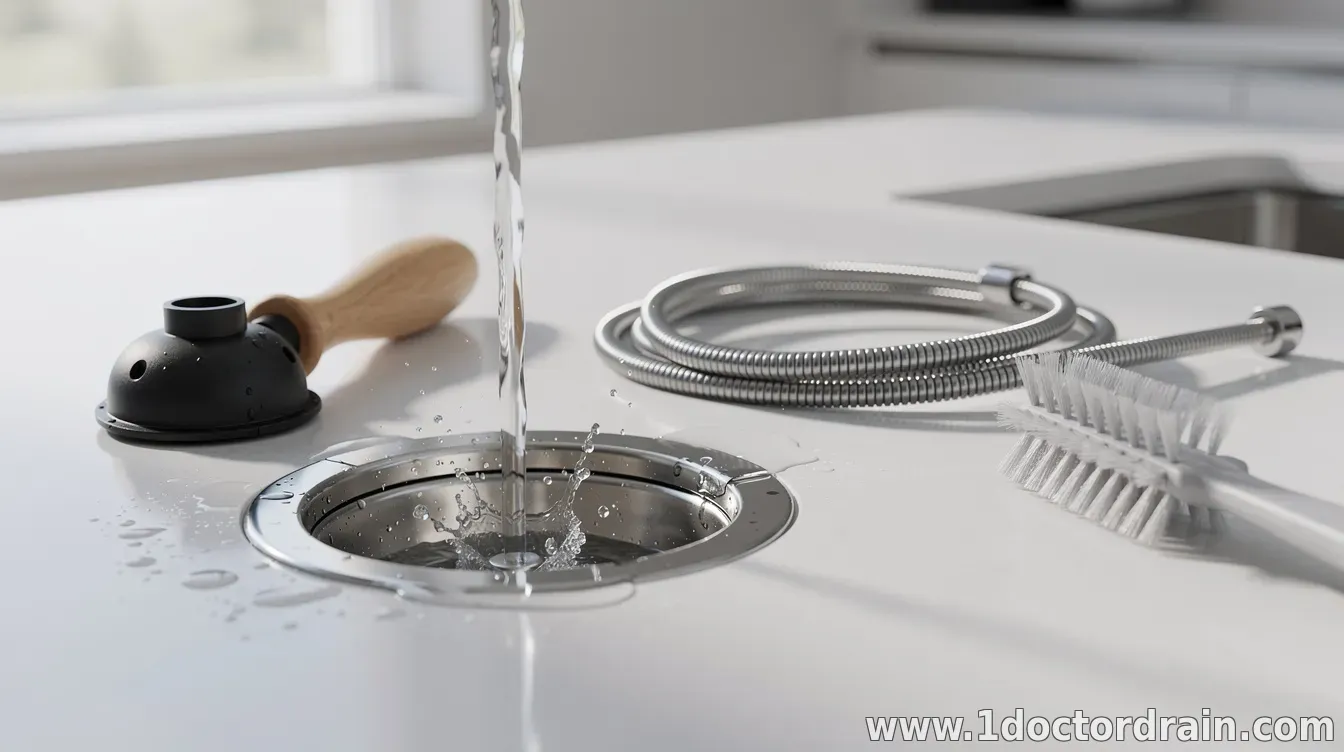
DIY approaches can work well for early or localized slowdowns. For example, plunging is often effective for partial blockages near the drain opening. For kitchen lines, enzyme or bacterial drain treatments may help break down organic residue, especially when used consistently as a preventive measure.
For more immediate clearing, mechanical methods like drain snakes (manual or power-driven) are typically more reliable than purely chemical approaches for stubborn physical obstructions such as hair, fibrous clogs, or compacted debris.
Chemical drain cleaners—commonly marketed as caustic or acidic solutions—can be effective in certain scenarios, but they carry higher risks. They may damage plumbing in some cases, can create hazardous fumes, and can worsen clogs if misused. Always follow label instructions exactly and avoid mixing products. Why professionals often choose mechanical cleaning
Licensed plumbers frequently rely on inspection and mechanical removal to solve the root problem. Camera inspections can confirm where the blockage is and whether there are signs of corrosion, misalignment, cracks, or tree-root intrusion.
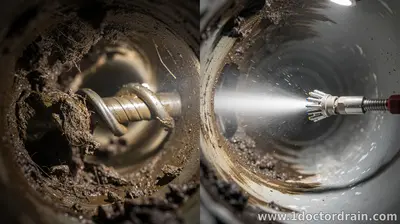
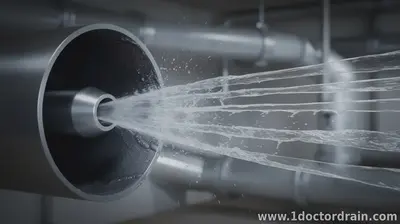
Based on what they find, professionals may use high-pressure hydro-jetting to clear accumulated buildup or targeted augers to remove obstructions. These methods can be safer and more thorough than guessing with chemicals, especially for recurring issues. Safety tips for homeowners
Before attempting any cleaning method, protect yourself and your home. Wear gloves and eye protection, ensure ventilation, and never mix chemical products. If you’re using a plunger or snake, avoid forcing tools aggressively—over-insertion can push clogs deeper.
Also consider that some chemicals react unpredictably with other substances already in the drain. If you’ve previously used a chemical cleaner, it’s often safer to stop and seek professional help rather than trying another product. Prevention: how to reduce future clogs
Many drain issues can be prevented with small, consistent habits. In kitchens, use a strainer to catch food scraps and wipe grease from cookware before washing. In bathrooms, a hair catcher helps stop buildup that accumulates over time. For hard-water areas, periodic maintenance may reduce mineral scale formation.
For ongoing maintenance, enzyme/bacterial treatments—used according to the product schedule—can help keep organic buildup from accumulating, particularly in frequently used drains. When to call a plumber
Some situations signal that a DIY approach is unlikely to work. Persistent slow drains after multiple attempts, recurring blockages, strong foul odors that don’t improve, and backup affecting multiple fixtures are common reasons to call a professional.
Signs of an underlying pipe problem—such as repeated blockages in the same location or changes after tree growth nearby—also warrant inspection. Catching structural or root-related issues early can prevent damage to pipes and reduce repair costs.
Choosing the right drain cleaning solution starts with understanding the cause. For early issues, safe DIY methods and preventive maintenance may be enough. For stubborn, recurring, or system-wide problems, professional inspection and mechanical clearing are often the fastest path to a long-term fix.
| |
|
| |
CALL ☎ Subscribe 👆
Next & Previous posts
Related materials:
CONTACT US 📩
Submit the form, we'll contact you as soon as possible!