BLOG

Home BLOG

☎ 000-000-0000

Drain сleaning serviсe, clogged drain, sewer cleaner, IL

Home » Drain cleaning
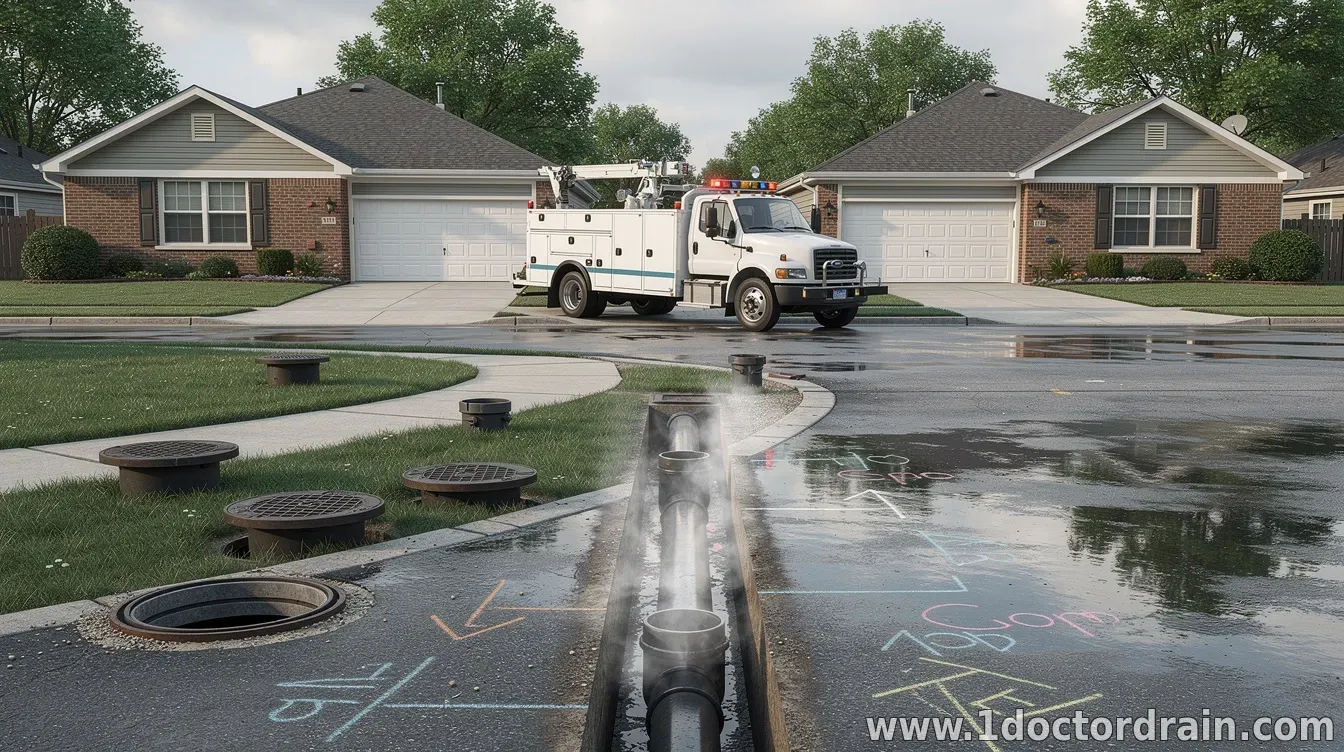
Northbrook & Glenview: Municipal Sewer Connection Basics

Northbrook & Glenview: Municipal Sewer Connection Basics


For homeowners in Northbrook and Glenview, moving from septic to municipal sewer—or connecting a property that isn’t currently served—can be a practical upgrade. But the process is more than scheduling plumbing work: it typically involves permits, utility coordination, inspections, and clear cost expectations.


Below are the key items homeowners should know before starting the connection process, including how applications usually work, what impacts project timing, and which responsibilities may fall to the property owner.


1) Confirm whether your property is eligible and what’s required


The first step is determining whether your address is within an area served by the municipal system and what type of connection is being requested. Eligibility can depend on location, existing sewer availability, and the property’s current wastewater setup. Homeowners should also ask what “scop ... Read more »


Added: admin 06/23/2026 into the category «Drain cleaning» Views: 198 Commets: 0
More


Sewer Gas in Your Home: Risks and What to Do

Sewer Gas in Your Home: Risks and What to Do


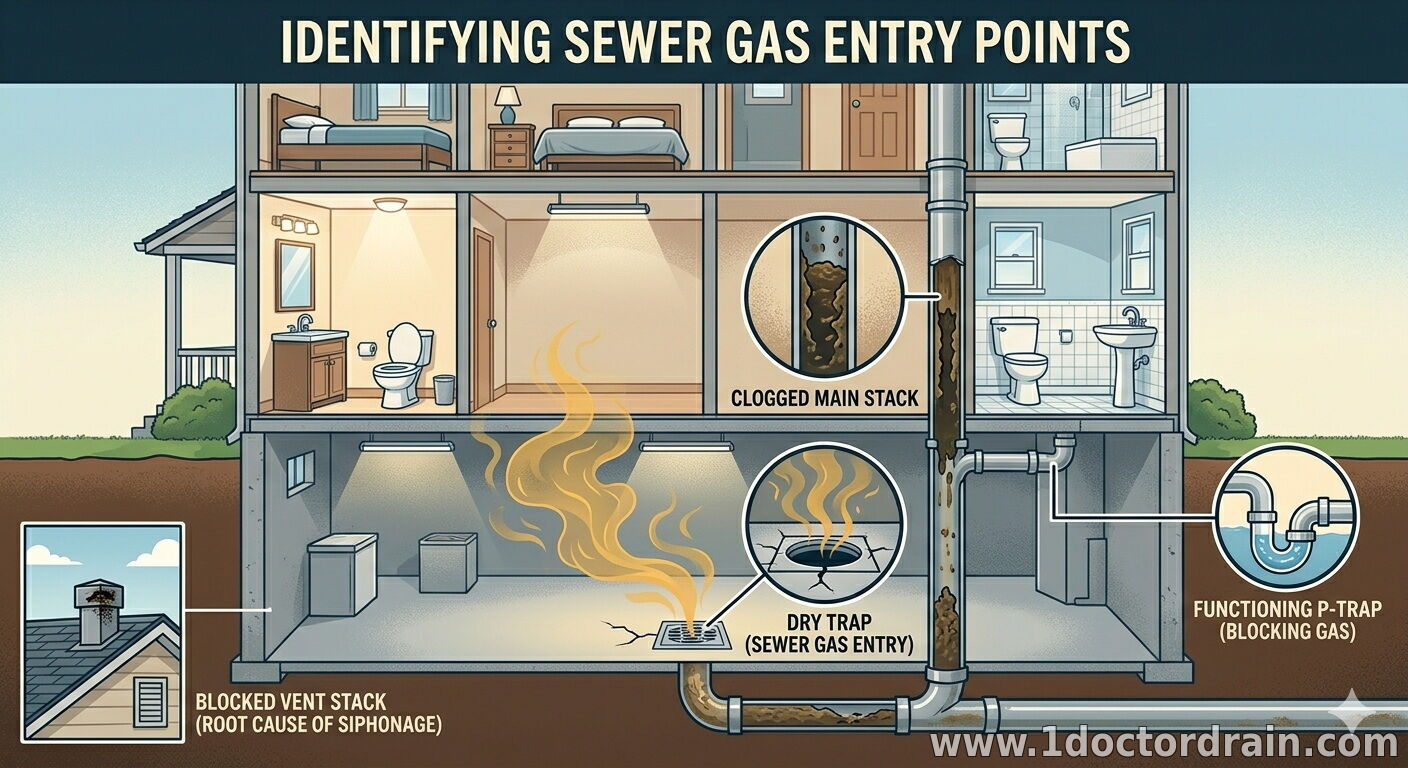
Sewer gas is a general term for gases that can build up when wastewater lines, drains, or vents don’t function properly. It may smell like rotten eggs, a strong “sewage” odor, or even fuel-like fumes. While some incidents are minor and fixable—such as a dry drain trap—others can point to conditions that are hazardous to health or require urgent attention.


Because sewer gas contains potentially toxic and flammable components, it’s important to treat unusual odors as a warning sign, not just a nuisance.


What sewer gas is and where it comes from


In properly functioning plumbing systems, wastewater flows away and gases are safely vented outdoors. Sewer gas may enter your home when water seals in drains (called trap water) evaporate, fixtures are rarely used, vents are blocked, plumbing is damaged, or a sewer line backup forces gases into living spaces. Common sources include floo ... Read more »


Added: admin 06/22/2026 into the category «Drain cleaning» Views: 246 Commets: 0
More


Drain Cleaning Costs in Chicago Suburbs: What Impacts Price

Drain Cleaning Costs in Chicago Suburbs: What Impacts Price


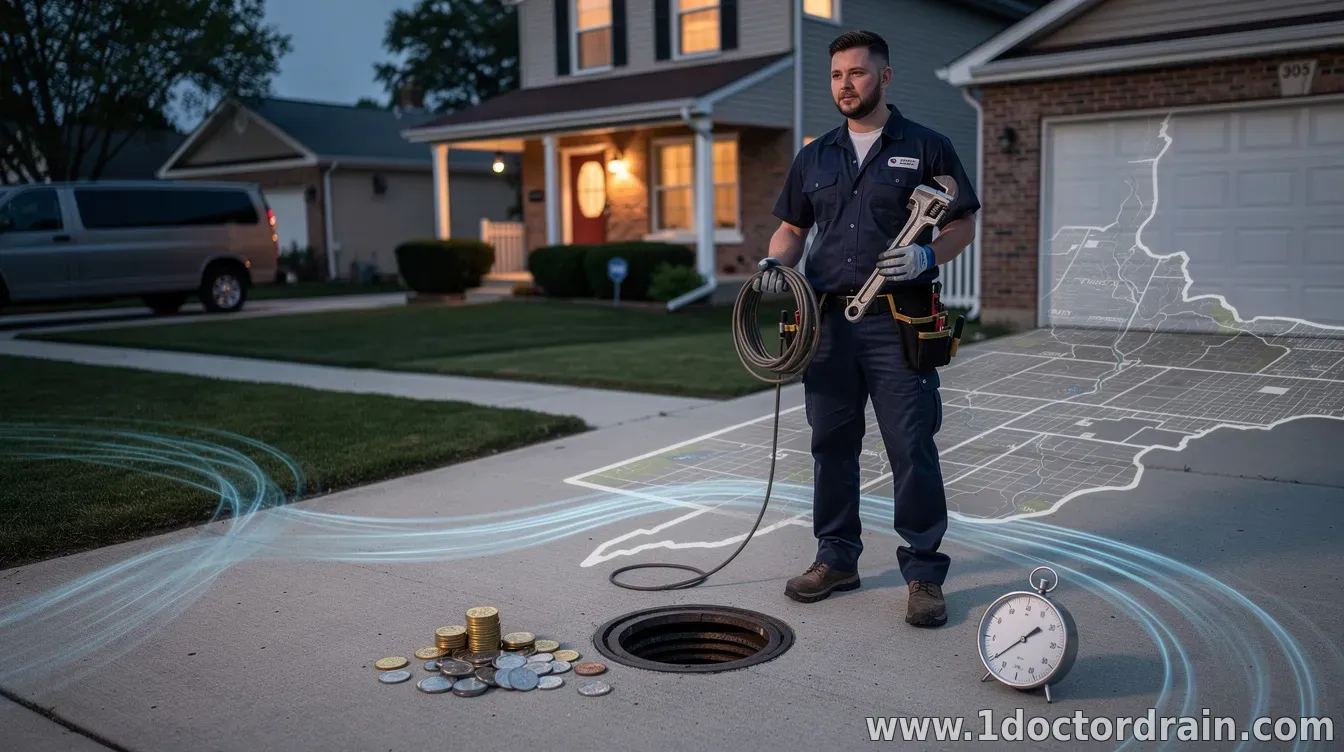
Homeowners in the Chicago suburbs often ask the same question when drains start backing up: how much does drain cleaning cost? While every situation is different, most drain-cleaning calls fall into a fairly predictable range based on the type of clog, the complexity of the plumbing, and the equipment required.


For a basic issue such as a partial blockage in an accessible pipe, pricing is frequently in the $150–$300 range. More involved problems—like stubborn grease buildups, multiple clogs, or issues deeper in a main line—commonly push costs to $300–$600 or beyond.


Typical price ranges you can expect


Costs vary by neighborhood, technician rates, and the specifics of the job, but these are common ballparks reported by local plumbing providers:


• $150–$300: Minor clogs (often resolved wit ... Read more »


Added: admin 06/21/2026 into the category «Drain cleaning» Views: 181 Commets: 0
More


What Is a Sewage Ejector Pump and When to Service It

What Is a Sewage Ejector Pump and When to Service It


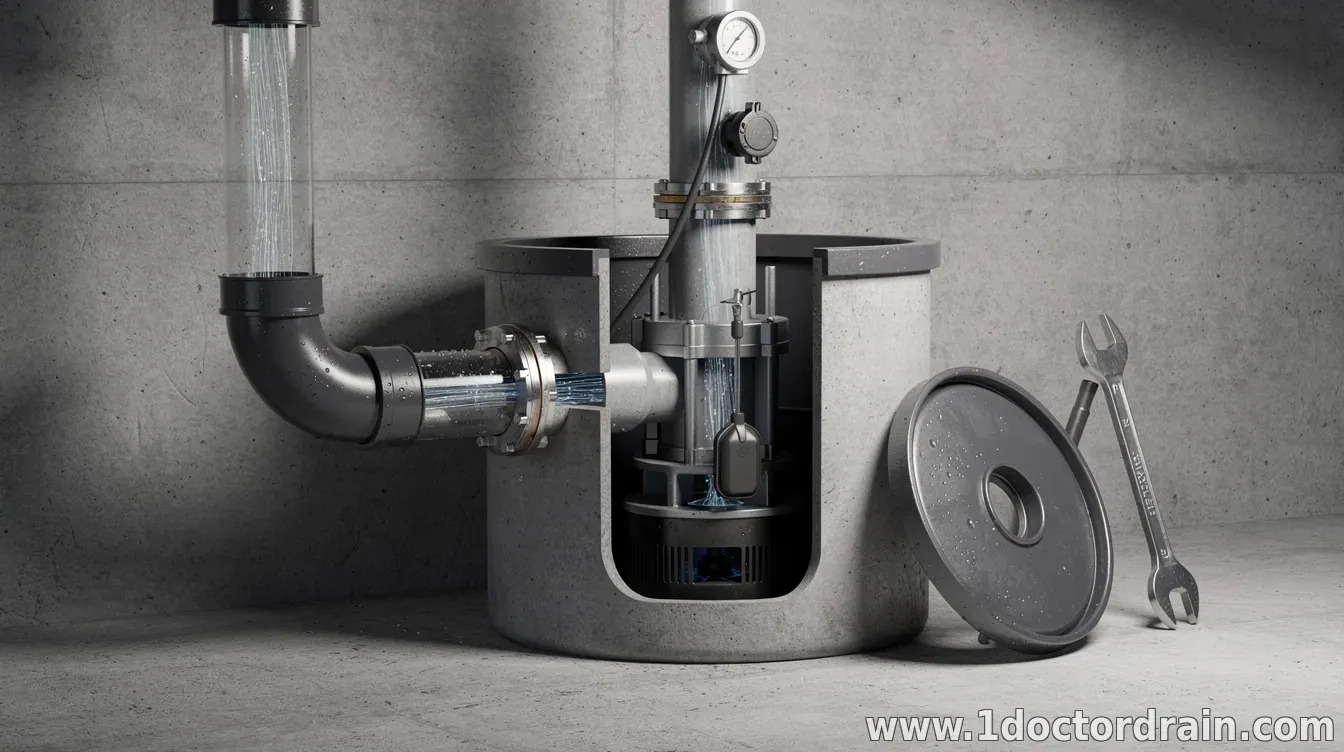
A sewage ejector pump is designed to move wastewater from a basement, pit, or other area where plumbing can’t rely on gravity. Unlike standard gravity drains, these systems “lift” sewage to a higher discharge point—often into a main sewer line or a utility drain—using a pump plus sensors that control when it turns on and off.


In many homes, an ejector pump supports fixtures such as toilets, sinks, showers, and laundry that are installed below the sewer line. Because it handles mixed waste and must operate reliably to prevent flooding, it’s important to understand what it is and how to recognize when it needs servicing.


How it works


Typically, a sewage ejector pump sits in a sealed basin (or “pump pit”) and uses a motor to push wastewater through a discharge pipe. Inside the basin, float switches or electronic level sensors detect rising water. When the water reach ... Read more »


Added: admin 06/20/2026 into the category «Drain cleaning» Views: 204 Commets: 0
More


« 1 2 ... 24 25 26 27 28 ... 58 59 »