
5:52 AM Bathroom Sink Clogs: Common Causes Beyond Hair | |
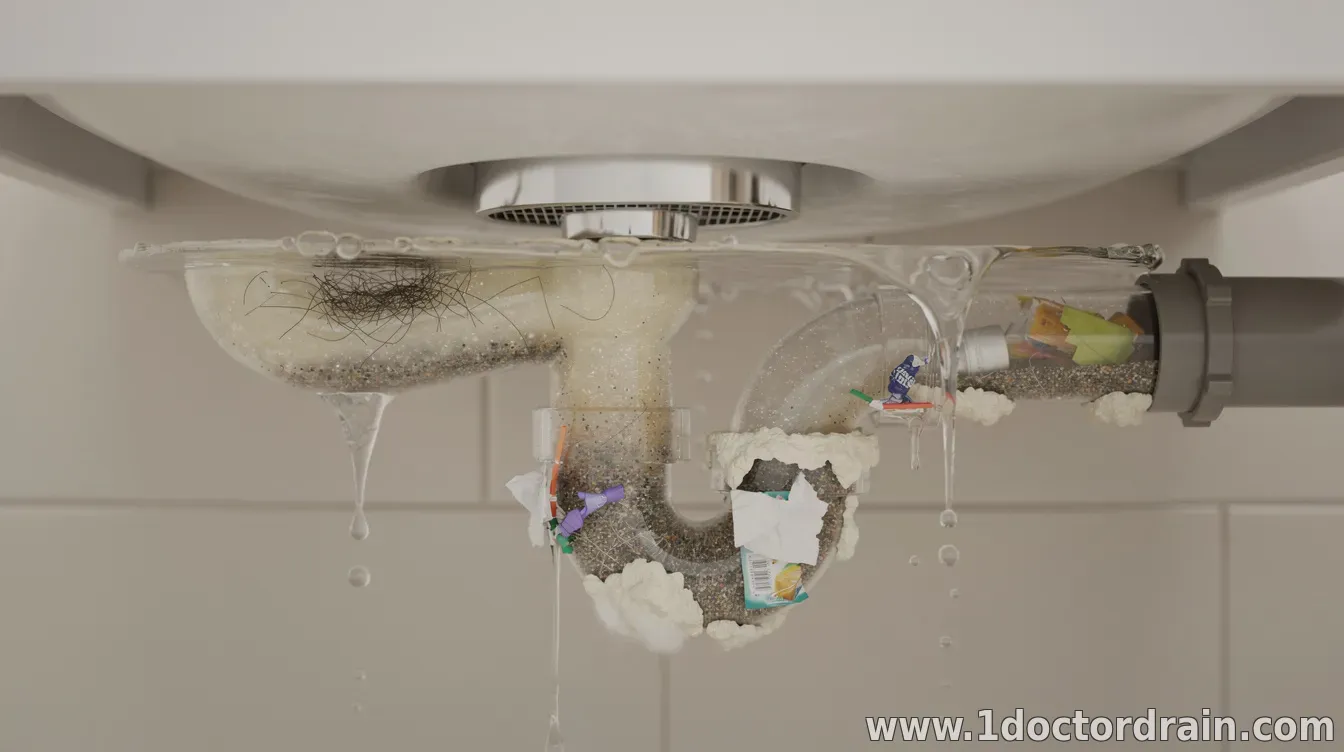
Bathroom sink clogs are usually blamed on hair, and that’s not entirely wrong. But many stubborn slow-drains and near-blockages are caused by a wider mix of materials that collect in pipes over time. Understanding what’s actually building up can make fixes faster and reduce the chance of repeat clogs. Soap scum and detergent buildup
Even when you don’t notice it, bathroom sink plumbing can collect soap scum—a sticky combination of soap residues and minerals from water. This buildup can cling to pipe walls, narrowing the passage until water drains slowly or backs up around the overflow. Toothpaste, mouthwash, and shaving residue
Toothpaste contains ingredients that can leave behind a film, especially when combined with water and brushing spatter. Mouthwash additives and shaving residue can add to that problem by introducing waxy or oily components that coat surfaces and trap other debris. Everyday grime and skin oils
Skin naturally sheds oils, lotions, and other grooming products. When these wash down the drain, they can combine with soap scum to form a thicker mass. Over time, this “grease-and-soap” blend can behave like a glue, capturing hair, lint, and suspended particles that would otherwise pass through. Debris from cleaning and accidental “down-the-drain” items
Sometimes the clog isn’t built from what you release during daily use, but from what gets accidentally washed away during cleaning. Rags, facial tissues, cotton balls, small scraps of packaging, and even small amounts of absorbent wipes can collect and expand when they get wet. These materials are especially good at snagging on older pipe sections or bends.
In addition, using drain cleaners too frequently can contribute to recurring clogs. Strong chemicals may break down certain materials, but they can also create residue that hardens elsewhere in the system—particularly if the cleaner doesn’t fully flush through or if the underlying buildup remains.
Another frequent cause is mineral scaling. Hard water deposits can form a rough layer inside pipes. That layer doesn’t always cause an immediate blockage, but it can reduce flow and make the system more likely to trap other debris. How to pinpoint the cause (without guessing)
If multiple fixtures drain slowly at once, the issue may be in a shared line or venting system rather than a single trap. If the problem is isolated to one sink, the culprit is more likely in that fixture’s trap or nearby pipe section. Paying attention to whether the clog worsens after specific routines—morning brushing, shaving, or certain soap use—can also reveal patterns.
Common “symptoms” can guide next steps. A slow drain that eventually clears suggests partial buildup. Gurgling sounds after turning off the faucet can indicate air movement problems, sometimes tied to venting or a blockage farther downstream. Standing water near the drain after normal use points to a more localized obstruction.
When you do need to clear a clog, start with the least aggressive options. Removing the stopper and cleaning it and the accessible drain area can eliminate trapped buildup. A plumber’s snake can help with deeper obstructions, especially when hair is only part of the problem and other materials are wrapped into the same mass.
To prevent future clogs, consider installing a hair-catching drain cover, wiping excess residue off grooming tools before rinsing, and reducing the amount of thick or foaming products used at the sink. For hard-water areas, periodic flushing with warm water can help keep mineral deposits from building up. If clogs are frequent or increasingly severe, a professional inspection may be the most reliable way to locate buildup points inside the pipe run.
| |
|
| |
CALL ☎ Subscribe 👆
Next & Previous posts
Related materials:

CONTACT US 📩
Submit the form, we'll contact you as soon as possible!