BLOG

Home BLOG

☎ 312-532-6435

Drain сleaning serviсe, clogged drain, sewer cleaner, IL

Home » Drain cleaning
Sewage Ejector Pump: How It Works and Signs of Failure

Sewage Ejector Pump: How It Works and Signs of Failure


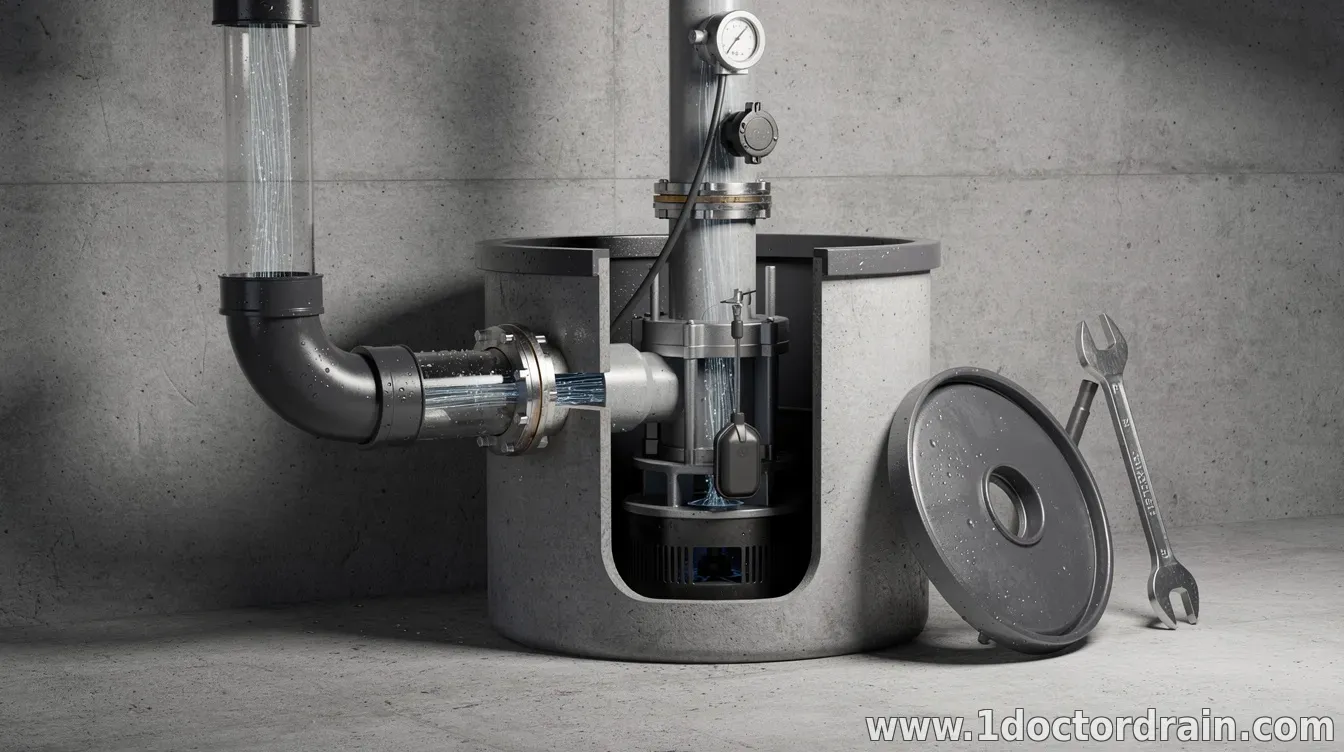
A sewage ejector pump is a specialized type of wastewater pump used when a home’s plumbing system can’t rely on gravity to send sewage to the municipal sewer or septic tank. Instead of wastewater flowing downhill on its own, the pump lifts it upward—often from a basement, crawl space, or other lower-than-sewer area.


Understanding what the pump does, and what “normal” looks like, makes it easier to catch problems early—before a minor mechanical issue turns into a messy backup.


What a sewage ejector pump does


Most systems include a basin (or sump) where wastewater collects, a pump that moves it, and controls that turn the pump on when the liquid reaches a certain level. Depending on the setup, the ejector pump may also include a check valve to prevent backflow and a discharge line that routes wastewater to the next step in the drainage pathway.


When waste ... Read more »


Added: admin 05/03/2026 into the category «Drain cleaning» Views: 140 Commets: 0
More


Grease Trap Cleaning for Restaurants: Why It Can’t Wait

Grease Trap Cleaning for Restaurants: Why It Can’t Wait


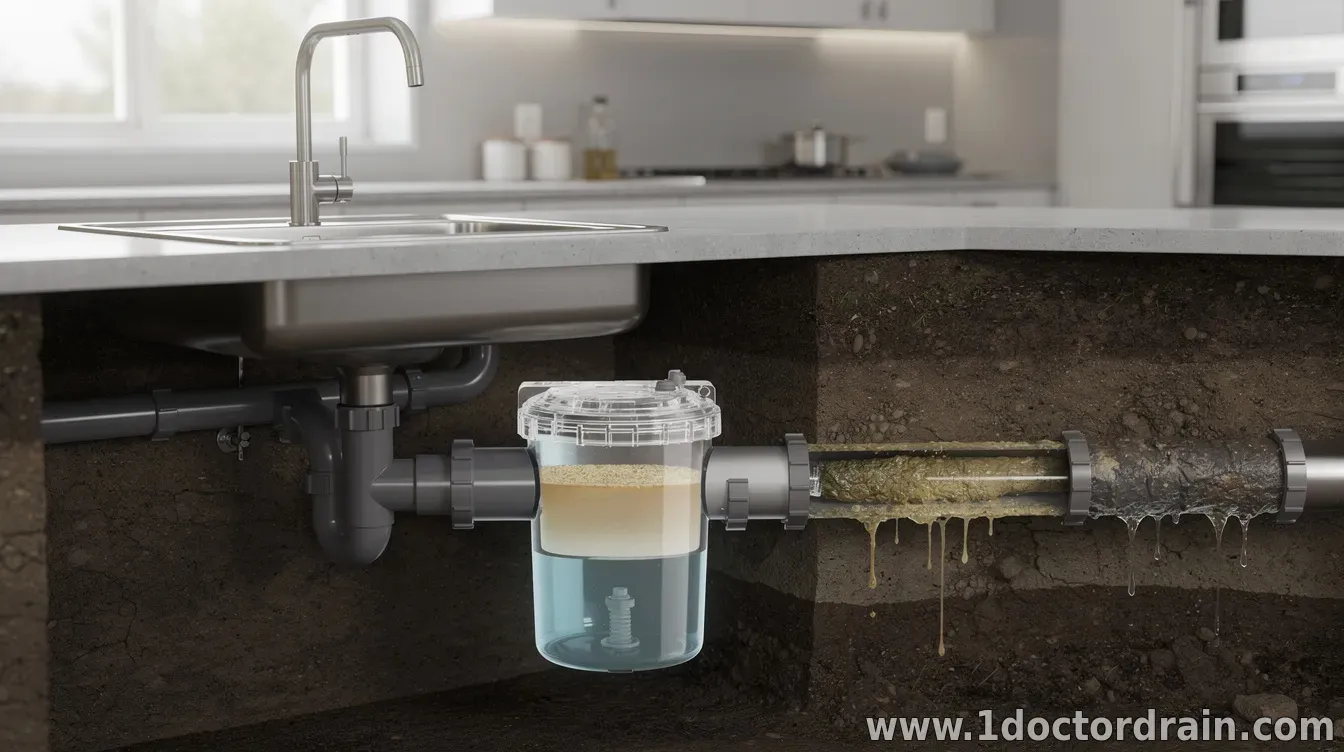
Grease traps are designed to intercept fats, oils, and grease before they reach municipal lines. For restaurants, that means cleaner plumbing, fewer backups, and better compliance with local wastewater rules. But when grease trap cleaning is postponed, the system can quickly become overwhelmed—turning a routine maintenance task into an urgent operational problem.


Here’s why grease trap cleaning can’t wait.


1) Slow buildup leads to sudden blockages


Grease doesn’t disappear; it accumulates. Over time, layers of FOG (fats, oils, grease) can thicken and solidify, reducing flow capacity and increasing the likelihood of clogs. What starts as “not that full” can escalate to a sudden blockage that disrupts kitchen operations.


2) Backups create costly downtime and sanitation risks


When a grease trap is overfilled or po ... Read more »


Added: admin 05/02/2026 into the category «Drain cleaning» Views: 132 Commets: 0
More


Floor Drain Backing Up: Common Causes and What to Do

Floor Drain Backing Up: Common Causes and What to Do


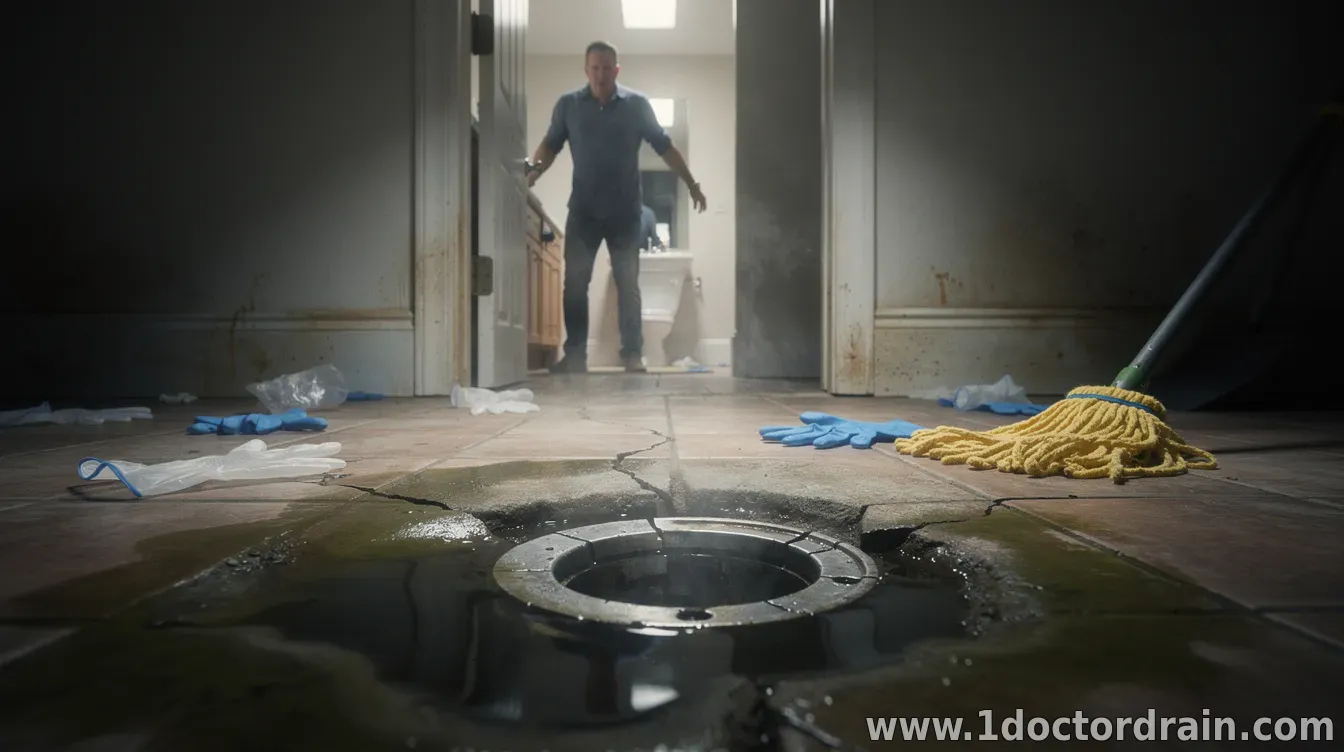
When a floor drain backs up, it’s more than an inconvenience. Standing water in a basement, laundry area, or garage can create odors, damage floors and belongings, and, in some cases, indicate a problem further down the plumbing line.


While the exact cause varies, most floor drain backups fall into a few predictable buckets: blockages near the drain, problems in the building’s trap or venting, or—less commonly—issues in the municipal sewer or neighboring property.


1) The most common culprit: a clog in or near the drain


Hair, soap residue, dirt, leaves, grit, and small debris can accumulate and eventually block flow. Grease and sludge are especially common in drains connected to utility sinks, mop water, or areas where cooking-related residue is washed away.


Clogs can be localized—right at the strainer, inside the drain body, or in the short run between the dr ... Read more »


Added: admin 05/01/2026 into the category «Drain cleaning» Views: 151 Commets: 0
More


How to Spot a Broken Sewer Line Before It Becomes a Disaster

How to Spot a Broken Sewer Line Before It Becomes a Disaster


A damaged sewer line rarely fails all at once. It often develops in ways homeowners can notice early—through changes in drains, yard conditions, smells, and sounds. Catching the problem sooner reduces the chance of sewage backups, structural damage, and expensive emergency repairs.


Common early warning signs


1) Sewage backups or slow drains. If multiple fixtures drain slowly at the same time—or if toilets gurgle while sinks or tubs back up—there may be a restriction or break downstream. Repeated backups are a strong indicator that something in the line is compromised.


2) Unusual odors near drains or outdoors. A persistent “sewer” smell, especially near a cleanout, basement floor drain, or yard area above the pipe route, can point to a leak. If the odor worsens during heavy rain or after water use, it’s even more suspicious.


... Read more »
Added: admin 04/30/2026 into the category «Drain cleaning» Views: 116 Commets: 0
More


« 1 2 ... 22 23 24 25 26 ... 50 51 »