2:33 AM Tree Roots in Sewer Lines: How They’re Detected and Removed | |
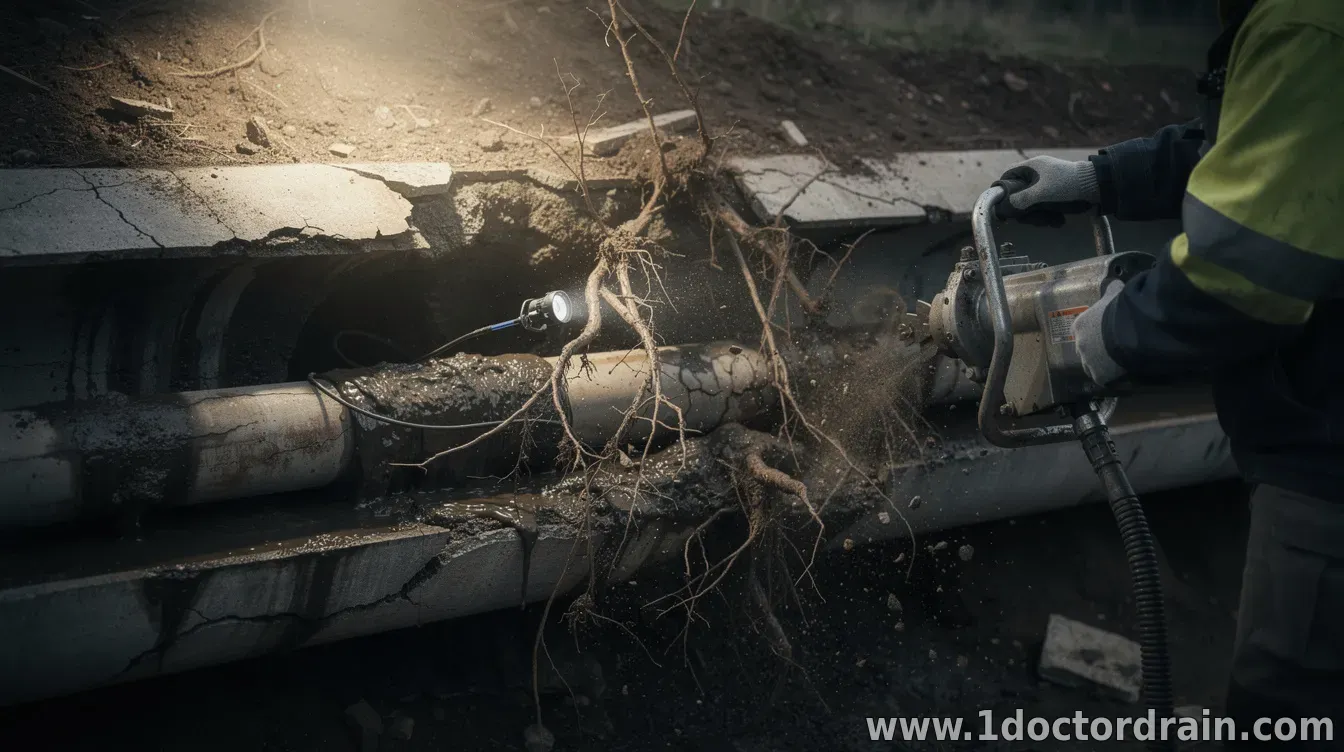
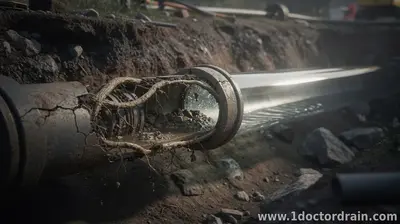
Tree roots are among the most common causes of recurring sewer-line problems in residential and commercial properties. Seeking moisture and nutrients, roots can enter pipes through minor defects—such as aging joints, hairline cracks, or displaced segments—then grow over time, narrowing flow and triggering blockages.
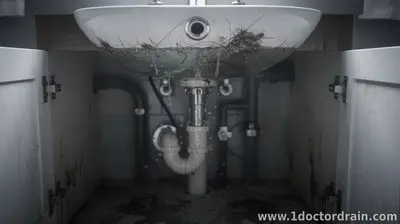
When roots infiltrate sewer lines, the results often appear gradually. Homeowners may notice gurgling sounds from drains, recurring clogs in the same bathroom or kitchen line, foul odors near cleanouts, or increasing delays when water drains. In more severe cases, backups can occur and wastewater may surface where it should not. How professionals detect tree-root intrusion
Detection typically starts with assessing where the problem is occurring and how frequently it returns. Plumbers may use CCTV pipeline inspection—sending a small camera through the line to visually identify root intrusion, the exact pipe segment affected, and the condition of surrounding infrastructure.
Camera footage helps confirm whether the blockage is driven by roots, debris, grease, or pipe damage. Many teams also pair inspection with hydro-jetting testing or specialized probes to understand how far the obstruction extends and how strongly it has adhered to the pipe wall. Removal methods: what works and when
Root removal approaches vary depending on pipe material, the extent of intrusion, and whether the underlying damage is still present. In many cases, mechanical cutting tools are used through the cleanout or access points to sever roots and restore flow. This can relieve blockages quickly, but without addressing entry points, roots can reappear.
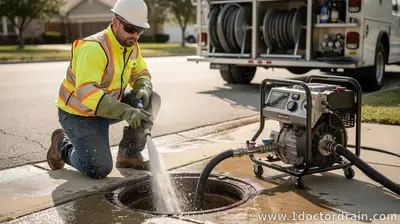
Hydro-jetting—high-pressure water cleaning—is another common tool. It can dislodge organic buildup and help clear areas around roots, especially after initial cutting. For persistent infestations, teams may combine cutting with targeted cleaning to improve outcomes.
Where pipe damage is part of the problem, removal alone may not be enough. Some properties benefit from lining solutions that seal cracks and joints to reduce future entry. These options are often prioritized after CCTV inspection shows repeated root intrusion or structural deterioration. Preventing repeat problems
Because roots often return when entry paths remain, prevention typically focuses on eliminating the conditions that allow them to enter. That may include repairing damaged sections, improving pipe sealing, and maintaining proper drainage practices to reduce material buildup that can worsen clogs.
In addition, property owners can reduce risk by managing nearby landscaping. While roots can still grow toward moisture, professional guidance on tree placement and irrigation habits can help limit how aggressively roots seek sewer leaks. Routine inspections are also useful in areas with known root-prone soils and older sewer infrastructure. Safety and timing: when to act
Delays can turn a manageable blockage into an expensive emergency, especially when backups affect multiple fixtures or enter living spaces. If you experience persistent clogs, repeated backups, or signs of wastewater near cleanouts, scheduling a CCTV inspection promptly can clarify the cause and prevent unnecessary guesswork.
For sewer-line root problems, the most reliable path usually starts with accurate diagnosis—followed by removal tailored to what the camera reveals—and, when needed, repairs that reduce the chance of recurrence. With the right combination of detection and intervention, properties can restore reliable drainage while protecting sewer infrastructure for the long term.
| |
|
| |
CALL ☎ Subscribe 👆
Next & Previous posts
Related materials:
CONTACT US 📩
Submit the form, we'll contact you as soon as possible!