2:48 AM Tree Roots in Your Sewer Line: Signs, Risks, Removal | |
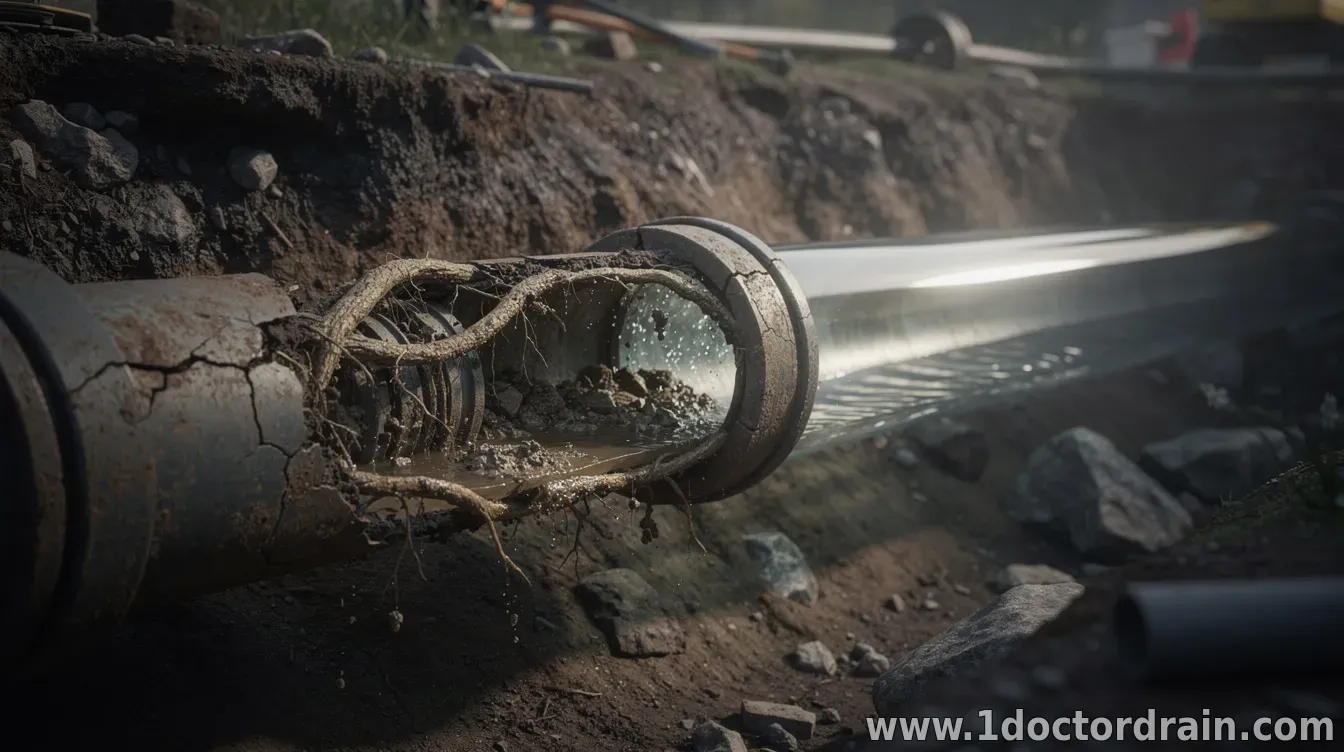
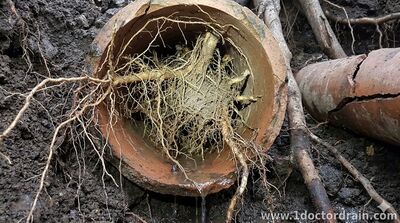
Tree roots are a common cause of sewer line blockages. Even healthy trees can seek moisture and nutrients in underground pipes, and a small crack—or a joint that has shifted—can become an entry point. Once roots find a path, they can expand into the pipe and restrict flow.
Because sewer backups can quickly escalate from an inconvenience to a sanitary hazard, early detection matters. Homeowners who recognize the warning signs and contact a qualified plumbing or sewer specialist can prevent costly damage and reduce disruption. How to recognize tree roots in a sewer line
Symptoms often appear gradually, especially during dry-to-wet seasonal changes when roots grow toward consistent water sources. The most frequent indicators include slow drains in one or more fixtures, recurring clogs that don’t fully clear with typical plunging, and gurgling sounds from toilets or sinks.
Other red flags include sewage odors near drains, wet spots in the yard that persist near the property line, and backups that worsen after rainfall. In some cases, homeowners may notice frequent toilet overflows or multiple drains backing up at once. Why it’s risky to ignore the problem
When roots intrude, they can form a partial plug that traps solids and accelerates buildup. Over time, this can turn a manageable restriction into a complete blockage, leading to backups into bathrooms, basements, or outdoor cleanouts.
Beyond the inconvenience, sewer system problems pose health concerns. Sewage can contain bacteria and pathogens, and cleanup may require proper containment and disinfection. There’s also a structural risk: if roots push and enlarge damaged pipe sections, repair becomes more extensive. How sewer pros remove tree roots
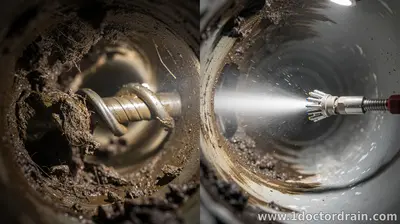
Effective root removal usually starts with inspection. A technician will typically run a sewer camera through the line to pinpoint the location, measure the severity of root intrusion, and identify cracks or misaligned joints that allowed entry.
Once the problem area is confirmed, removal methods may include mechanical root cutting, high-pressure water jetting, or a combination approach. Mechanical cutters can sever root masses inside the pipe, while hydro-jetting can flush remaining debris and help restore flow. In many cases, the work is followed by another inspection to verify that the line is clear. What to do after clearing roots
Removing roots can restore service, but it doesn’t always stop them from returning. If the camera inspection shows damaged pipe, shifted joints, or recurring intrusion patterns, long-term solutions may be recommended—such as targeted pipe repair or trenchless lining methods that help seal the entry points.
A good next step is asking the contractor what caused the intrusion and what preventive steps are planned. In many areas, maintaining proper distance from large trees, avoiding soil compaction near the sewer route, and addressing early cracks promptly can reduce recurrence.
If you suspect tree roots are involved—especially if clogs recur or backups threaten living spaces—consider scheduling a camera inspection rather than repeatedly relying on emergency cleanouts. Early, targeted diagnosis tends to be less disruptive and more cost-effective than dealing with a full blockage later.
| |
|
| |
CALL ☎ Subscribe 👆
Next & Previous posts
Related materials:
CONTACT US 📩
Submit the form, we'll contact you as soon as possible!