2:23 AM Multi-Unit Property Drain Issues: Landlords Should Know | |
Drain issues in multi-unit properties are rarely “just a plumbing problem.” A clogged or failing line can affect multiple apartments, common areas, and shared building services—often turning a routine maintenance item into an urgent health and safety concern.
This guide outlines practical steps landlords can take to reduce risk, respond quickly when symptoms appear, and document everything needed for compliance, repairs, and dispute resolution. Common warning signs landlords should track
Most multi-unit drain failures start with early indicators that are easy to miss if maintenance checks aren’t consistent. Landlords should encourage tenants to report issues promptly, then verify them during inspections. Watch for repeated or expanding problems rather than isolated complaints.
Red flags include slow drains, recurring clogs in multiple units, gurgling sounds from fixtures, persistent odors in bathrooms or kitchens, water backing up in sinks or tubs, wet spots near floor drains, and sudden changes after heavy usage. Why shared systems make the stakes higher
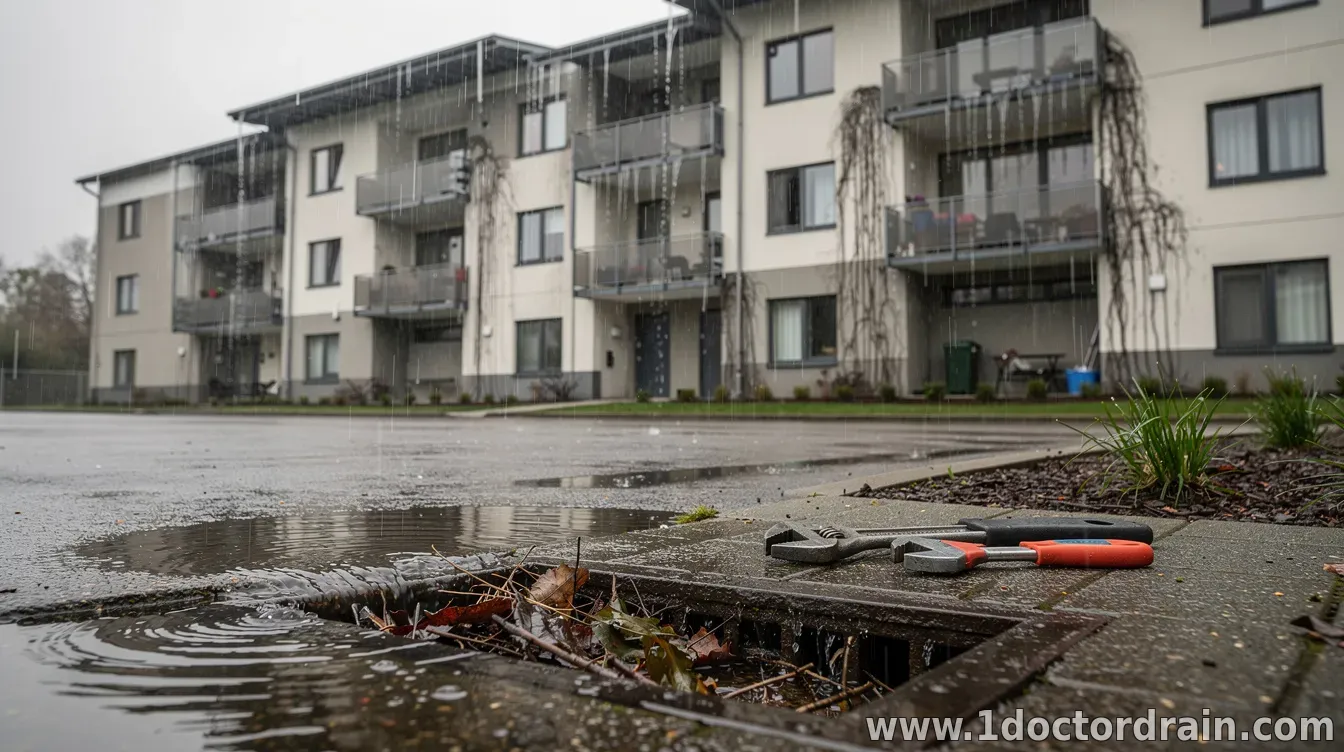
In many buildings, problems are linked to shared plumbing runs—such as main stacks, horizontal drain branches, or the sewer connection. A clog may originate in one unit but be downstream of it, meaning multiple apartments can be affected even if only one resident noticed the issue first.
Shared systems also create “cascade” risk. When wastewater can’t flow freely, it can back up into unintended areas, increase pressure in lines, and cause damage to finishes, subfloors, walls, and electrical-adjacent components from prolonged moisture. Immediate response: contain, assess, and document
When a tenant reports a suspected backup or persistent blockage, landlords should act fast to prevent escalation. The immediate goal is to contain the issue, protect residents, and confirm the scope before repairs begin.
Recommended actions typically include securing the affected area if there’s standing water or strong sewage odor, limiting fixture use if advised by a licensed plumber, and arranging inspection without delay—especially when backups involve sewage or recurring events.
Equally important is documentation: record the date/time, the unit(s) affected, what tenants reported, photos of visible damage or water intrusion, and logs of communications. Clear records help with insurance claims, contractor scheduling, and accountability if multiple units are impacted. Preventive maintenance that reduces emergency calls
Proactive maintenance is often cheaper than repeated emergency responses. While the exact schedule depends on building age and usage, consistent practices can significantly reduce blockages and pipe failures.
Landlords can reduce risk by maintaining accessible cleanouts, ensuring proper disposal rules are communicated to residents (for example, what should never go down drains), and scheduling routine inspections for known problem lines. For older buildings or properties with a history of backups, periodic professional evaluation of drain performance may be warranted.
Where permitted and appropriate, professional assessment methods may include camera inspections to identify tree-root intrusion, joint separation, cracks, corrosion, or buildup patterns that aren’t visible from routine access points. Hiring the right professionals—and asking the right questions
Drain repairs in multi-unit buildings often require specialized equipment and experience managing impacts on multiple tenants. When selecting a plumbing contractor, landlords should prioritize licensing, availability for emergency work, and a track record with multifamily properties.
Ask how the contractor will identify the cause (not just clear the symptom), what method they’ll use to diagnose downstream sections, and whether they’ll provide recommendations to prevent recurrence. For recurring clogs, request information about the likely source—such as grease buildup, obstructions in shared lines, bellies or sagging sections, venting issues, or recurring root intrusion. Communication with tenants during repairs
Clear communication reduces confusion and helps residents follow practical safety guidance. Landlords should provide timely updates on expected timelines, access requirements for maintenance entry, and any temporary restrictions on water use.
During work that may involve noise, odors, or limited access to plumbing fixtures, landlords should explain what residents can do to minimize disruption and where they can report additional symptoms. For repairs that affect more than one unit, consider posting a building-wide notice so residents receive consistent information. When issues suggest a deeper problem
Some drain events should trigger a more thorough investigation rather than a “clear and forget” approach. If backups keep returning in the same area, if multiple units are affected, if there are signs of structural damage, or if odors persist after cleaning, the root cause may be a line defect, venting problem, or intrusion that requires targeted repair.
In these cases, landlords should plan for diagnostic follow-up—potentially including camera inspection and repairs to damaged pipe sections—rather than repeated clearing attempts that may only provide temporary relief.
Multi-unit drain issues are manageable when treated as a building-wide system problem with a structured response: detect early, act quickly, document thoroughly, and invest in prevention. With consistent oversight and the right professional support, landlords can protect residents, avoid repeated emergencies, and reduce long-term repair costs.
| |
|
| |
CALL ☎ Subscribe 👆
Next & Previous posts
CONTACT US 📩
Submit the form, we'll contact you as soon as possible!